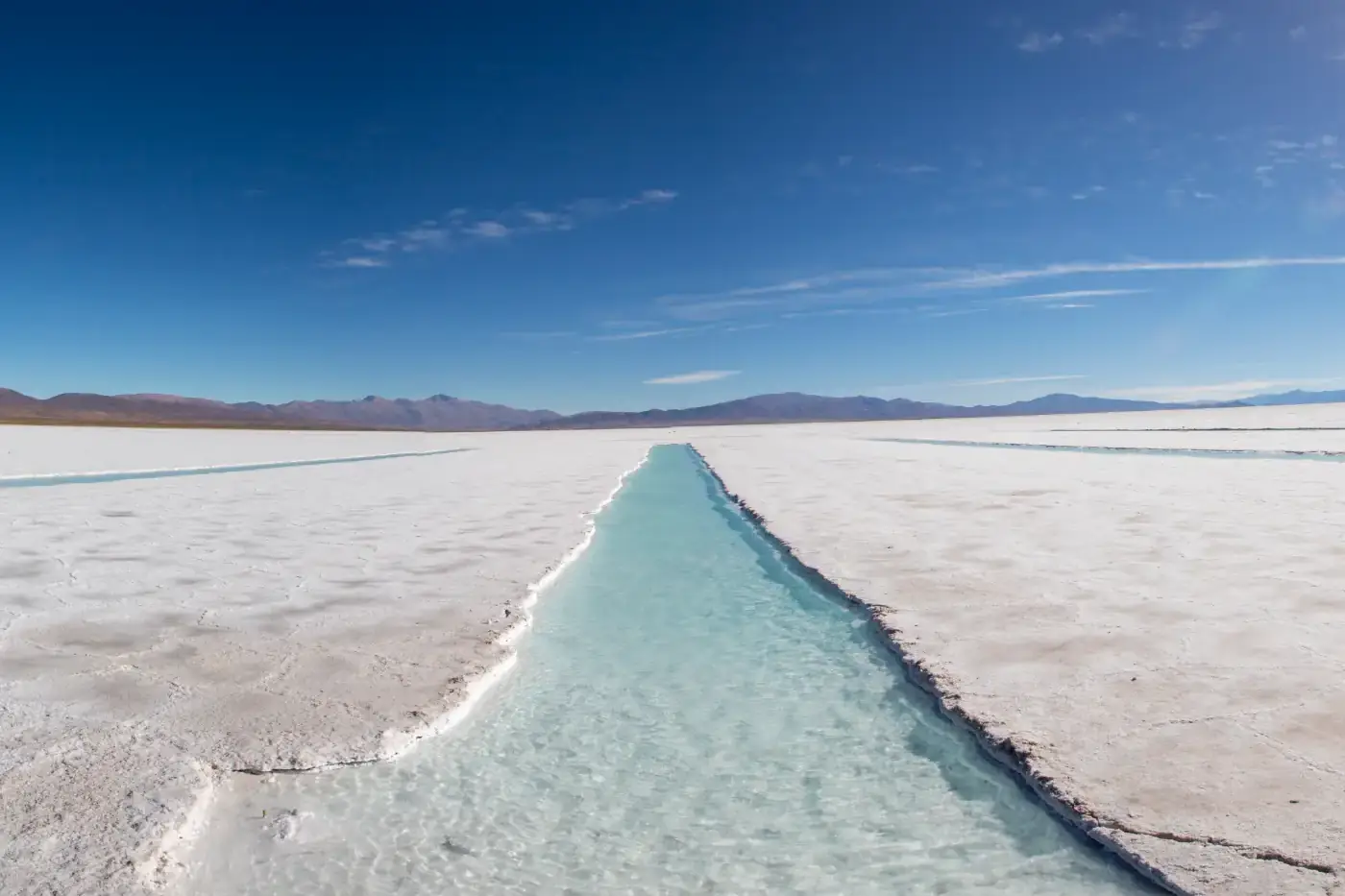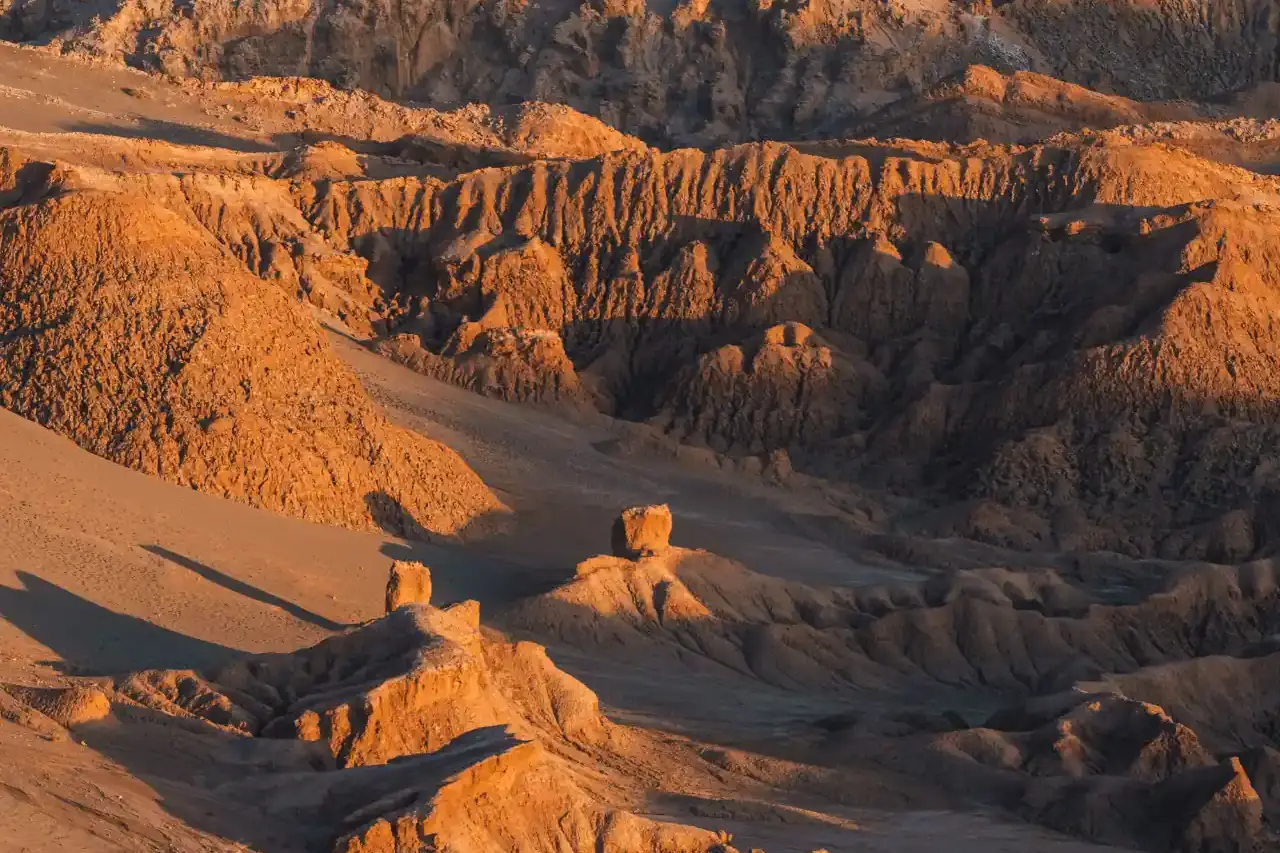
Valle de la Luna (Moon Valley) at sunset in San Pedro de Atacama, Chile
Transport

Jujuy to San Pedro de Atacama via Paso de Jama: 2026 Guide

Jujuy to San Pedro de Atacama is about 515 km over the 4,200 m Jama Pass. Direct buses, border hours, snow closures, Chile customs rules and rental cars.

San Salvador de Jujuy to San Pedro de Atacama is about 515 km (320 miles), all of it paved: Route 9 to Purmamarca, Route 52 across the Salinas Grandes salt flats, through Susques and over the Paso de Jama (Jama Pass) at 4,200 m (13,780 ft), then Chile's Route CH-27 down into the Atacama Desert. From Purmamarca it is about 450 km (280 miles). A direct bus takes around 8 h 45 min from the provincial capital, border formalities included; by car it is a full day's drive. The crossing is not open 24 hours and can close for snow or high winds in any season, so always check its status before you leave. This guide covers distances leg by leg, the bus companies crossing in 2026, the documents you need, what you cannot bring into Chile and how to cross in a rental car.

In this guide

The route leg by leg: distances and times

The route, paved from end to end, breaks down like this:
• San Salvador de Jujuy to Purmamarca: about 65 km (40 miles) on Route 9 and the Route 52 junction.
• Purmamarca to Salinas Grandes: 66 km (41 miles), including the climb up the Cuesta de Lipán to the Abra de Potrerillos pass at 4,170 m (13,681 ft).
• Purmamarca to Susques: about 135 km (84 miles). Susques, at 3,675 m (12,057 ft), is the last village with services on the Argentine side.
• Susques to Paso de Jama: about 155 km (96 miles), according to Argentina's Interior Ministry, across the Puna de Atacama and past salt flats such as Olaroz.
• Paso de Jama to San Pedro de Atacama: about 160 km (99 miles) on CH-27, which keeps climbing on the Chilean side to nearly 4,800 m (15,750 ft) before dropping almost 2,000 m (6,500 ft) to San Pedro, at about 2,400 m (7,900 ft).

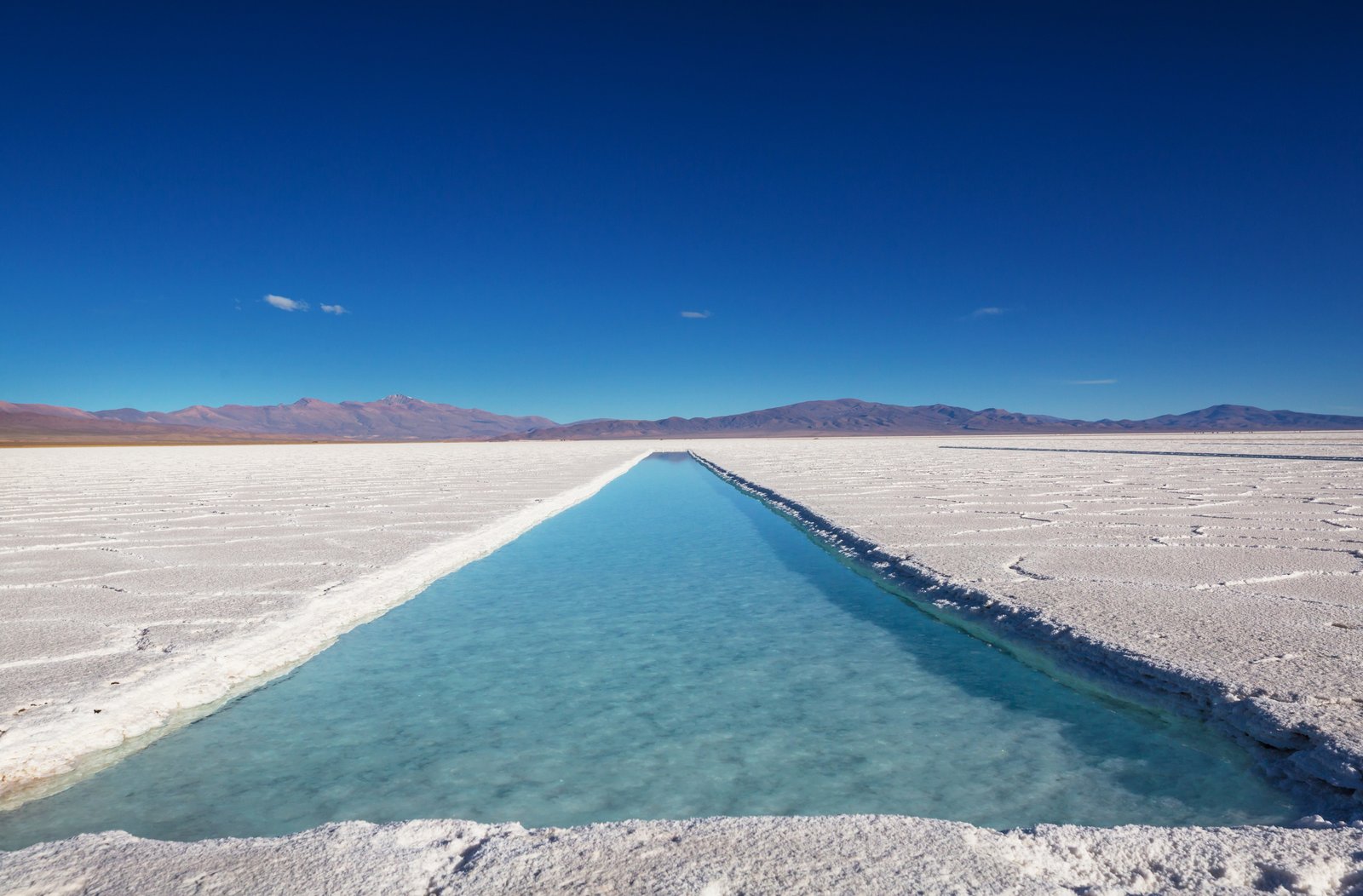
Pure driving time from Purmamarca is around six hours, but with photo stops, lunch in Susques and the border formalities, plan on a full day. For the first stretch in detail, see our guide to the Purmamarca to Salinas Grandes drive. The Salinas Grandes salt flats sit right on the road, so it is easy to stop for a while.
Direct buses from Jujuy to San Pedro de Atacama in 2026

As of October 2026, these companies sell international tickets over the Jama Pass:
• Andesmar: the most frequent, with departures almost every day. The bus leaves the San Salvador de Jujuy terminal at around 2:45 am, stops in Purmamarca at about 3:40 am and reaches San Pedro de Atacama around 11:30 am, after roughly 8 h 45 min. It starts in Salta at 1 am.
• Pullman Bus: runs three days a week, leaving Salta in the morning with stops in Jujuy and Purmamarca. The days change by season, so check its calendar.
• Buses Géminis: has also run the route in past seasons, with daytime departures from Salta; check whether it is operating on your dates.

How to buy: the safest option is online, through each company's website or a booking platform, or at the ticket offices in the San Salvador de Jujuy bus terminal. Purmamarca's terminal is tiny and the ticket office there belongs to Evelia, which runs local routes, so don't count on buying an international ticket in town.

For the return, Andesmar leaves San Pedro in the morning at around 7:30 am. In winter some services are canceled or leave hours late because of ice on the road. Book ahead. If you still need to get to Jujuy, see how to get to Jujuy by plane or bus.

Immigration and the documents you need

The Jama Pass has an integrated, single-site border complex on the Argentine side at 4,200 m (13,780 ft), where officials from both countries sit side by side. You exit Argentina and enter Chile in the same building, moving from one numbered window to the next.

Documents to carry:
• Foreign visitors: a valid passport. Citizens of the United States, the United Kingdom and Australia do not need a visa to enter Chile as tourists.
• Argentine and Mercosur residents: a national ID card or passport.
• Minors: if traveling without one or both parents, the required travel authorization.
• Bus travelers: your ticket as well; the bus company hands out the declaration forms during the trip.

On a bus, everyone gets off with their luggage, which is X-rayed and checked by Chile's agriculture and livestock service (SAG). Depending on how many buses and trucks are waiting, it can take anything from under an hour to several hours. On entry you receive a Tourist Card (Tarjeta de Turismo) valid for up to 90 days; keep it safe, because you must hand it back when you leave.

Chilean customs: no fruit, vegetables or animal products

Chile is extremely strict about plant and animal products, because it wants to keep out pests such as fruit flies and diseases such as foot-and-mouth. The SAG rule is simple: everyone aged 18 or over must fill in the SAG sworn declaration, on paper or online, and declare any of the following, however small the amount:
• Fresh fruit and vegetables.
• Meat of any kind, including cold cuts and vacuum-packed sausages.
• Dairy products, including cheese.
• Honey, pollen and other bee products.
• Seeds, plants, flowers and bulbs.
• Handicrafts made with plant or animal parts.

If you declare, an inspector checks and decides: anything that meets the rules goes through and anything that doesn't is destroyed on the spot. If you don't declare and something is found, you can be fined. The practical advice is to eat your fruit before you reach the border and, when in doubt, declare.

One specific trap: coca leaves, sold in every corner shop in northern Argentina, are prohibited in Chile. Check your daypack and the car before you set off.

Jama Pass opening hours and snow closures

Opening hours change with the season and are set jointly by Argentina and Chile. As a guide:
• Argentina's National Migration Directorate lists the crossing as open from 8 am to 6 pm.
• Winter hours are shorter: from May 1, 2026 the crossing ran from 9 am to 7 pm Argentine time. During those months Chile is one hour behind.
• In October 2026, migration staff reported hours of 8 am to 8 pm in both directions.

The pass can close at any time because of snow, ice or whiteout conditions, and not only in winter. In late September 2026 it closed temporarily and reopened on September 30 with reduced hours of 2 pm to 8 pm. On October 27, 2026 it was again listed as closed, with snow on the Chilean side and snow chains mandatory.

Where to check the status before you go:
• The Argentine government's international border crossings page (argentina.gob.ar), with the latest reports from the border police and the national highways agency.
• The website of Chile's Interior Ministry border crossings unit (pasosfronterizos.gob.cl) and its WhatsApp channel.
• The daily road report from Jujuy's road safety department, republished by local media.

Set off early so you cross in daylight, with time to spare for delays. If the pass is closed there is no nearby alternative: wait in Susques or head back to Purmamarca.

Crossing into Chile in a rental car

It is possible, but not with every car or every company. What you need to know:
• The rental company's permit: the company must be on Argentine Customs' rent-a-car register and authorized to take vehicles out through Jama. It issues a Mercosur circulation authorization (ACM) along with the official exit form for rental vehicles. Request it when you book: it usually takes 24 to 72 hours and costs extra.
• Insurance: Chile requires SOAPEX, a compulsory personal-injury policy for foreign-registered vehicles. It is separate from the Argentine insurance, can be bought online and shown on your phone. Also ask whether the car's damage cover is valid in Chile.
• Required equipment: fire extinguisher, warning triangles or portable beacons and a reflective vest. If traveling with children, bring a child seat.
• Drop-off: you will normally have to return the car in Argentina. If a one-way drop in Chile is allowed at all, expect a very high fee.

At the border complex you park outside and go in with your passports and the vehicle papers. After immigration, you cancel the Argentine car's temporary exit and get its temporary import into Chile; finally SAG inspects your luggage. If you have not chosen a company yet, compare options in our Jujuy car rental comparison, and ask about the Chile permit first.

Fuel, altitude and driving on the Puna

Fuel: Purmamarca has no gas station, so fill up in San Salvador de Jujuy or Tilcara. The next one is the YPF station in Susques. There is an ACA-YPF station at the Jama border itself on Route 52, but don't rely on it. On the Chilean side, the next fuel is at the entrance to San Pedro de Atacama. The simple rule: leave Susques with a full tank.

Altitude: you will cross the Cuesta de Lipán at 4,170 m, the border at 4,200 m and stretches of CH-27 approaching 4,800 m (15,750 ft). Ideally, spend a couple of nights in the Quebrada de Humahuaca beforehand. Drink plenty of water, avoid heavy meals and get out of the car slowly. The Jama complex has a first-aid post. Our Jujuy altitude guide lists every elevation.

Driving: the road is in good shape and you don't need a 4x4, but:
• Heavy trucks use it all year, as it is the main trade corridor with Chile.
• Winds near the pass can top 60 to 80 km/h (40 to 50 mph), and there is often ice early in the morning.
• Chile sometimes makes snow chains mandatory.
• There is no cell signal for long stretches, so download offline maps.
• Avoid driving at night: there are loose animals such as vicuñas and donkeys, and the cold is extreme.

Stops along the way and the best time to go

It is tempting to do it all in one go, but the road has stops worth making:
• Salinas Grandes: an hour from Purmamarca, with a visitor stop and community-guided walks onto the salt.
• Susques: its chapel of Nuestra Señora de Belén, built of adobe with a cardón-wood roof, is a National Historic Monument. Tradition dates it to 1598, although the oldest surviving document is from 1757. The village has a few simple guesthouses and is the best place to break the journey.
• The Olaroz and Cauchari salt flats: visible from the road between Susques and the border.

As for timing, the pass tends to be more reliable between October and April, though snow can fall in any month. In summer, storms can cause landslides on Route 52 on the Argentine side, and winter brings the shortest hours and the highest risk of closures. To pick your month, see our guide to the best time to visit Jujuy.

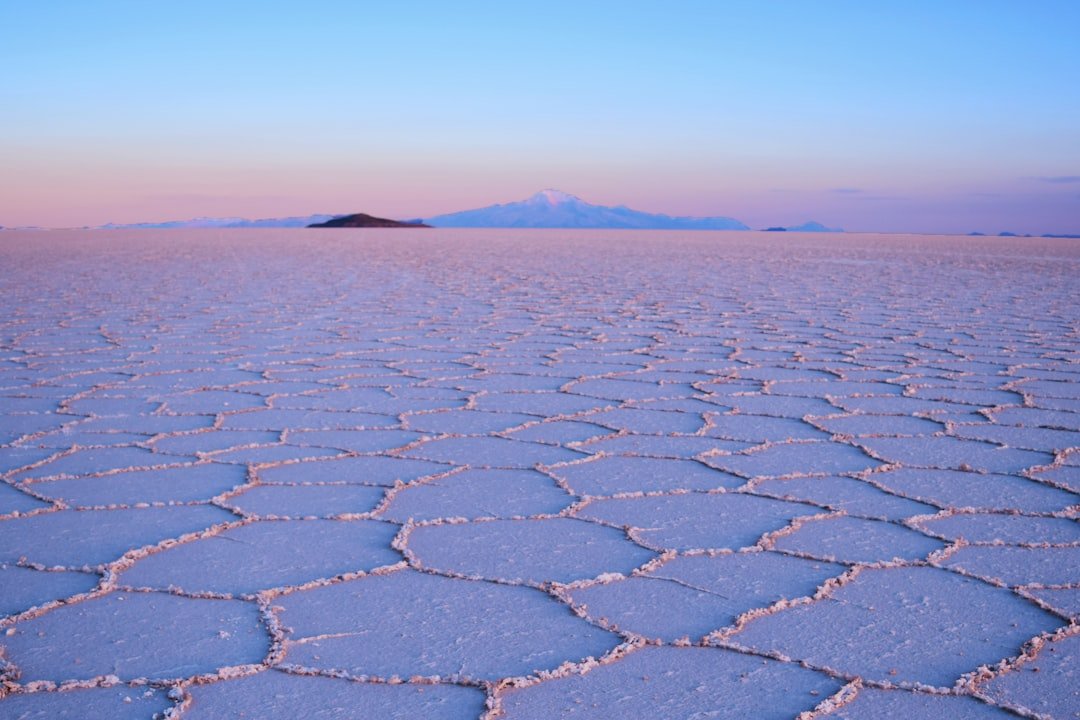
If you want to add the Uyuni salt flat after the Atacama, multi-day tours leave San Pedro for Bolivia. You can also reach it from Jujuy via La Quiaca, as we explain in our guide from Jujuy to the Uyuni salt flat.

Frequently Asked Questions

How far is Jujuy from San Pedro de Atacama?

About 515 km (320 miles) from San Salvador de Jujuy and about 450 km (280 miles) from Purmamarca, all paved via Route 52, the Jama Pass and Chile's CH-27.

How long is the bus from Jujuy to San Pedro de Atacama?

Andesmar's service takes about 8 h 45 min: it leaves the San Salvador de Jujuy terminal around 2:45 am and reaches San Pedro around 11:30 am, border formalities included.

Can I buy a bus ticket to San Pedro de Atacama in Purmamarca?

Don't count on it: Purmamarca's terminal is tiny and its ticket office handles local routes. Buy online or at the San Salvador de Jujuy terminal, even if you board in Purmamarca.

What is the altitude of Paso de Jama?

The border complex sits at 4,200 m (13,780 ft). On the Chilean side, Route CH-27 climbs to nearly 4,800 m (15,750 ft) before dropping to San Pedro de Atacama at about 2,400 m (7,900 ft).

Is the Jama Pass open today?

It varies: the pass can close for snow or wind in any season. Check the Argentine government's border crossings page on argentina.gob.ar or pasosfronterizos.gob.cl before you leave.

What can't you bring into Chile from Argentina?

Fresh fruit and vegetables, meat, cold cuts, dairy, honey and seeds must be declared to SAG and are usually destroyed. Coca leaves are prohibited in Chile.

Can you take an Argentine rental car into Chile?

Yes, if the company is authorized by Argentine Customs and issues a cross-border permit, which costs extra. In Chile you also need the compulsory SOAPEX insurance.

Ready to travel?

Compare hotels, car rentals and tours in Jujuy.