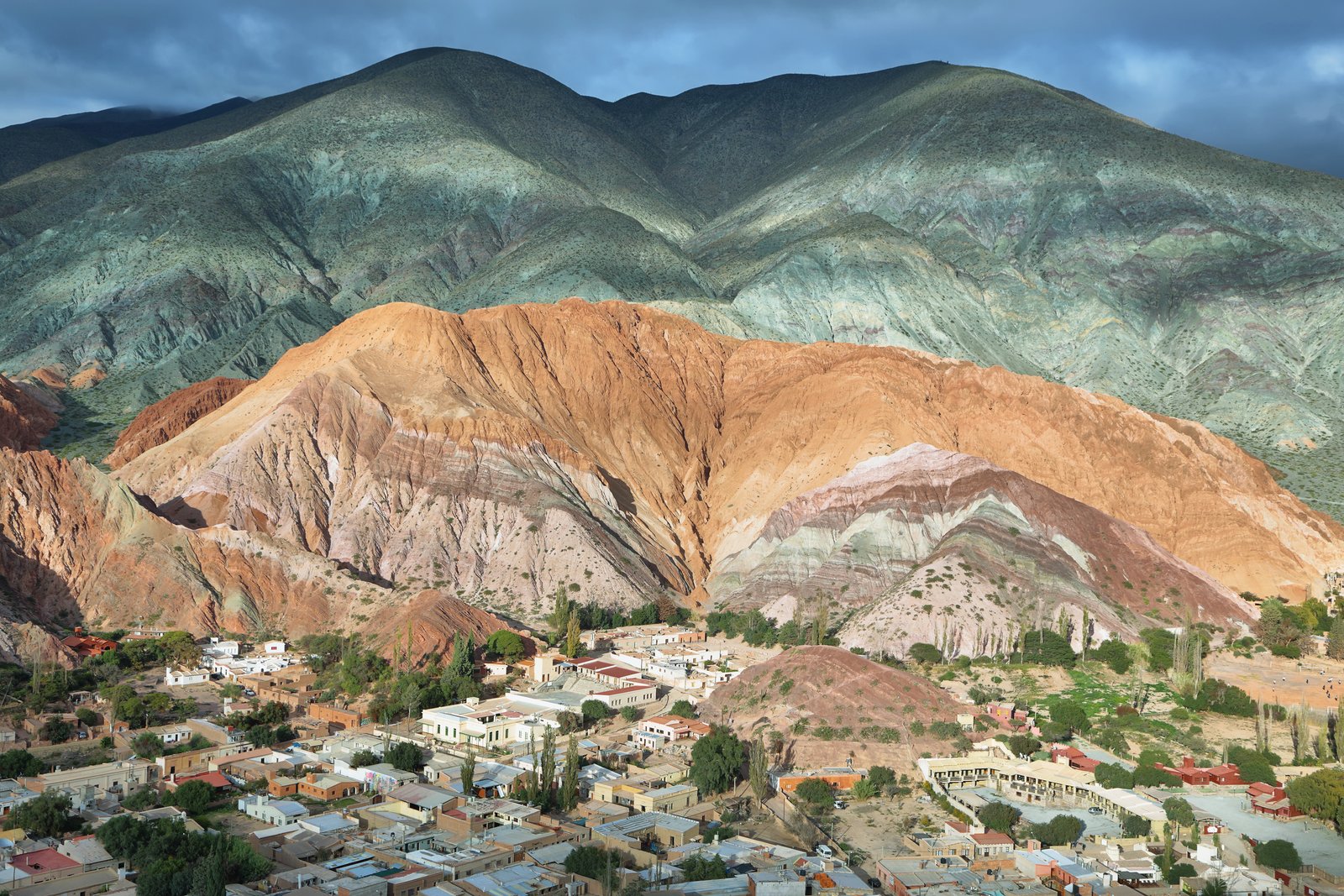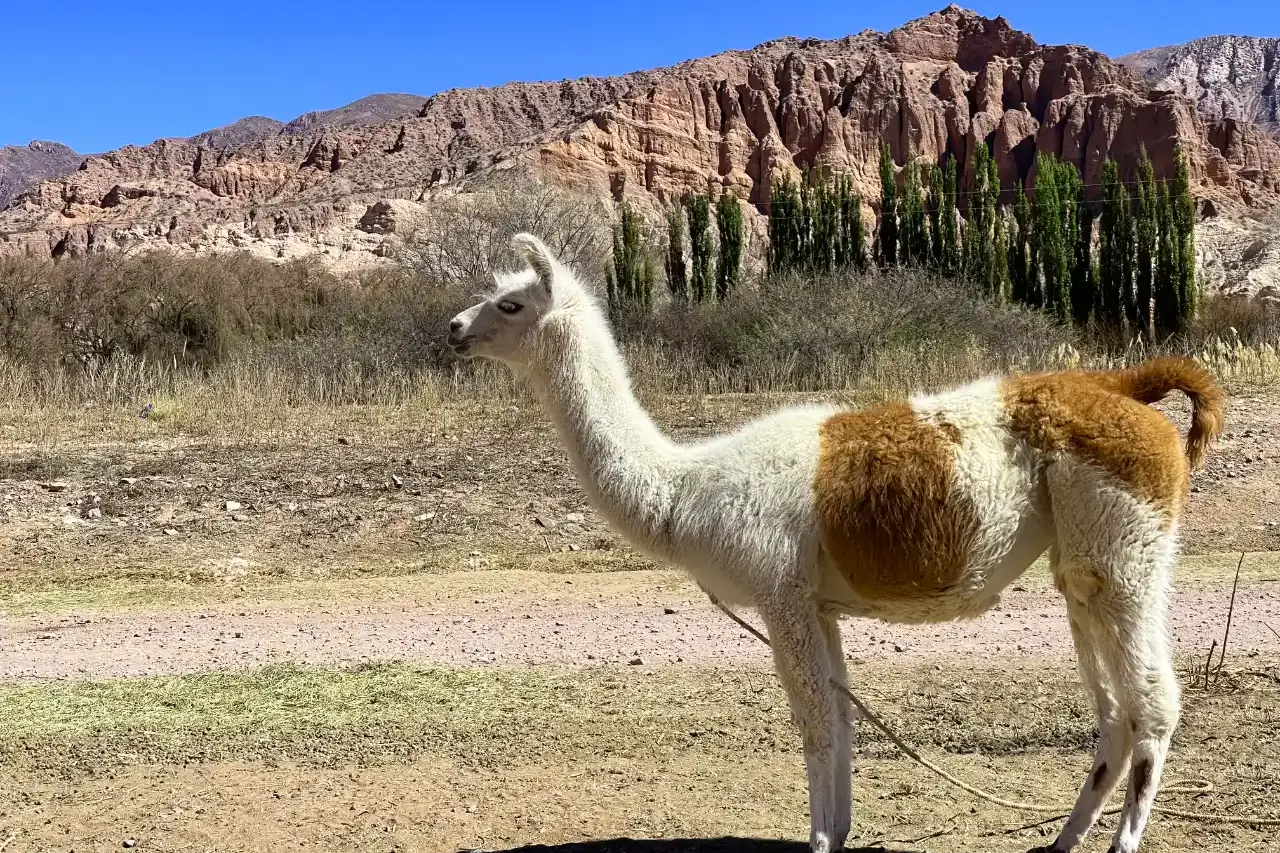
Llama in front of the hills of the Quebrada de Humahuaca, Jujuy
Festivals & Events

Pachamama in Jujuy: The August 1 Ceremony and Where to Join It

Pachamama in Jujuy, Argentina: what happens on August 1, the corpachada offering, caña con ruda, where to join open ceremonies, etiquette and August weather.

When
1 August 2027 (and throughout August)
Where
Across Jujuy province
See the Jujuy festival calendar

Pachamama Day in Jujuy, Argentina, falls on August 1, and the celebrations run all month. It's the Andean tribute to Mother Earth: people thank her for what she has given and ask for a good year ahead. The central ritual is the corpachada, in which a hole is dug in the ground and the earth is "fed" with food, drink and coca leaves. On the same day, locals drink caña con ruda, cane spirit steeped with rue, on an empty stomach for protection. Under national law 26,891, Jujuy is Argentina's National Capital of the Pachamama, and in August there are open ceremonies in the provincial capital, the Quebrada de Humahuaca and the high Puna. This guide explains each step, lists where public ceremonies were held in 2026, covers the Tango y Pacha Festival, and explains how to take part respectfully and what traveling in August is like.

In this guide

What is celebrated on August 1

Pachamama is a Quechua word usually translated as Mother Earth. For Andean peoples she isn't just a symbol: she's a living presence who gives, feeds and protects, and the relationship with her is based on reciprocity. If the earth gives to you, you give back.

August has a special place in the farming calendar. It's the end of the dry winter, just before planting, and people in the Quebrada say that this is when the earth is open and hungry. That's why families, Indigenous communities and even schools, town halls and businesses make an offering, giving thanks for the harvest and asking for health, work and good rains.

August 1 is the main date, but ceremonies are spread across the whole month, mostly on weekends. National law 26,891, passed in 2013, named Jujuy the National Capital of the Pachamama as the permanent seat of Andean worship, set August 1 as the day of celebration and added a National Pachamama Festival to Argentina's tourism calendar.

In the villages of the Quebrada de Humahuaca, the Pachamama commonly sits side by side with Catholic faith, with no sense of conflict. It's the same Andean and Catholic blend you'll see at the Quebrada Carnival, which also opens with an offering to the earth.
The corpachada, step by step

Corpachar means to feed. Every family and community does it a little differently, but most ceremonies follow these steps:

  • Smudging: early on, people burn koa, a resinous plant from the Puna, along with other herbs and incense, to cleanse the house, the people and even cars and work tools.
  • The hole: a pit is dug in the ground, in a backyard, a field or a place chosen by the community. It represents the mouth of the Pachamama and is often decorated with streamers and colored yarn.
  • The offering: one at a time or in pairs, participants kneel and give the earth the best they have: coca leaves, chicha (corn beer), wine, spirits, lit cigarettes left on the rim, and dishes such as stews, tijtincha (a corn and meat stew), calapurca (a hot-stone soup) or llama casserole.
  • The prayer: while making the offering, each person gives thanks, asks forgiveness for not caring for the earth as they should, and asks for a good year.
  • Closing: the hole is filled in with earth and marked with stones, sometimes with flowers.
  • Sharing: the leftover food is shared by everyone, with music, folk verses sung to a hand drum, and chicha.

At public ceremonies, the ritual is usually led by an elder or an amauta, as the community's wise people are called, who explains what to do and in what order. If you're invited to make an offering, follow their lead.

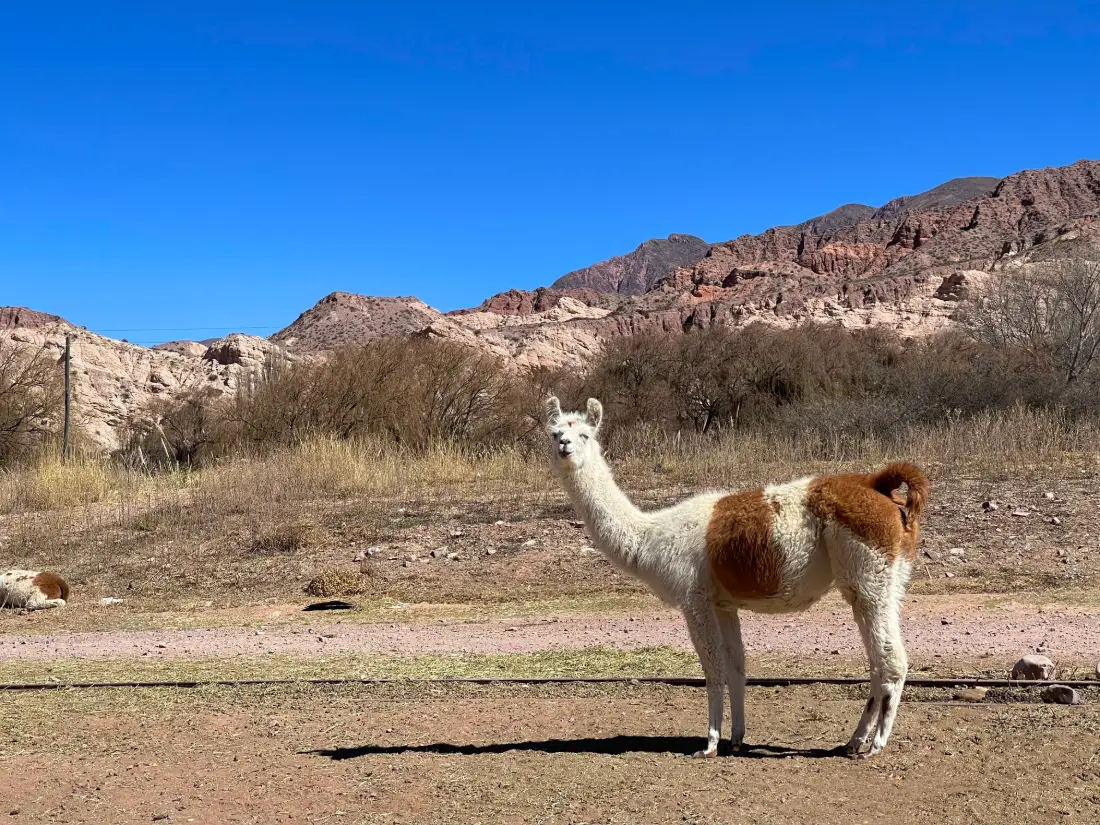
Llama in the Jujuy highlands

Caña con ruda

This is the most widespread August 1 custom, in the countryside and in the city. Sprigs of rue are steeped for several days in caña, a sugarcane spirit, and the drink is taken first thing in the morning on an empty stomach.

  • What it's for: by tradition, it protects against winter and August illnesses, cleanses and brings good luck for the year.
  • How much: usually three sips, though some people take seven. At the 2025 ceremony in the provincial capital, the organizers explained that you first pour a little on the ground for the Pachamama, then take three sips while making a wish.
  • Where to get it: in late July you'll find it at corner stores and markets, and it's often handed around at public ceremonies.

It's strong alcohol: if you don't drink, you can accept it respectfully and just touch it to your lips, or pour a few drops on the ground. Nobody will insist.

Where to see a Pachamama ceremony in Jujuy

Many corpachadas are private family affairs, but every August town halls and some communities hold ceremonies open to residents and visitors. These were some of the 2026 events, according to the official provincial tourism calendar and local press, and they give a good idea of where and how they're usually held:

  • San Salvador de Jujuy: August 1, 11:00 AM to 1:00 PM, at the Las Lavanderas amphitheater in Xibi Xibi Park, led by women who keep the tradition alive, with folk singing, smudging and caña con ruda.
  • Humahuaca: a ceremony in Plaza 25 de Mayo at 12:01 AM on August 1, to welcome the month.
  • Purmamarca: a public offering in Plaza 9 de Julio, in front of the church, on August 1.
  • Tumbaya: a ceremony in the square by the highway on August 1.
  • Volcán: the Pachamama and Tamal Festival, which reached its 21st edition in 2026, with a ceremony and regional food.
  • Maimará: a corpachada run by the town's tourism office in the main square, open to visitors, on Saturday, August 8.
  • Uquía: a ceremony by the Los Alegres de Uquía carnival troupe on August 8, followed by a dance at night. While there, visit the church of the Uquía arquebusier angels.
  • Tilcara: the town ran a month-long program, with carnival troupes feeding the earth in mid-August and another evening ceremony in the square.

In 2027, August 1 falls on a Sunday. Dates and times are published a few weeks ahead on the calendar of Jujuy's Ministry of Culture and Tourism and on each town hall's social media, so check them as you plan.

The Tango y Pacha Festival

One of the most unusual events of the month is the Tango y Pacha Festival, which brings Buenos Aires-style tango together with the Andean ceremony. In 2026 it ran from August 14 to 16, with events moving around the Quebrada and the Valleys, and an official launch at the Centro de Arte Joven Andino (C.A.J.A.) in San Salvador de Jujuy.

The festival's heart was in Huacalera, the village on the Tropic of Capricorn. There, on August 15, the Predio Cultural de Huacalera hosted an open day with this program:

  • Community breakfast and an introduction to the stallholders.
  • Pachamama ritual, with offerings and live music.
  • Words from local officials and representatives of Indigenous communities.
  • Community lunch open to the public.
  • Tango and milonga performances, a folk ballet and traditional coplas (sung verses).
  • A closing set of Andean wind players and folk groups.

The wider program also included night milongas, such as the Gran Pacha Milonga with the Cuarteto Mulenga orchestra, and tango practice sessions for all levels. If you dance tango, it's a very different way to spend August in Jujuy; if you don't, the Huacalera day is a good chance to see a community ceremony with explanations.

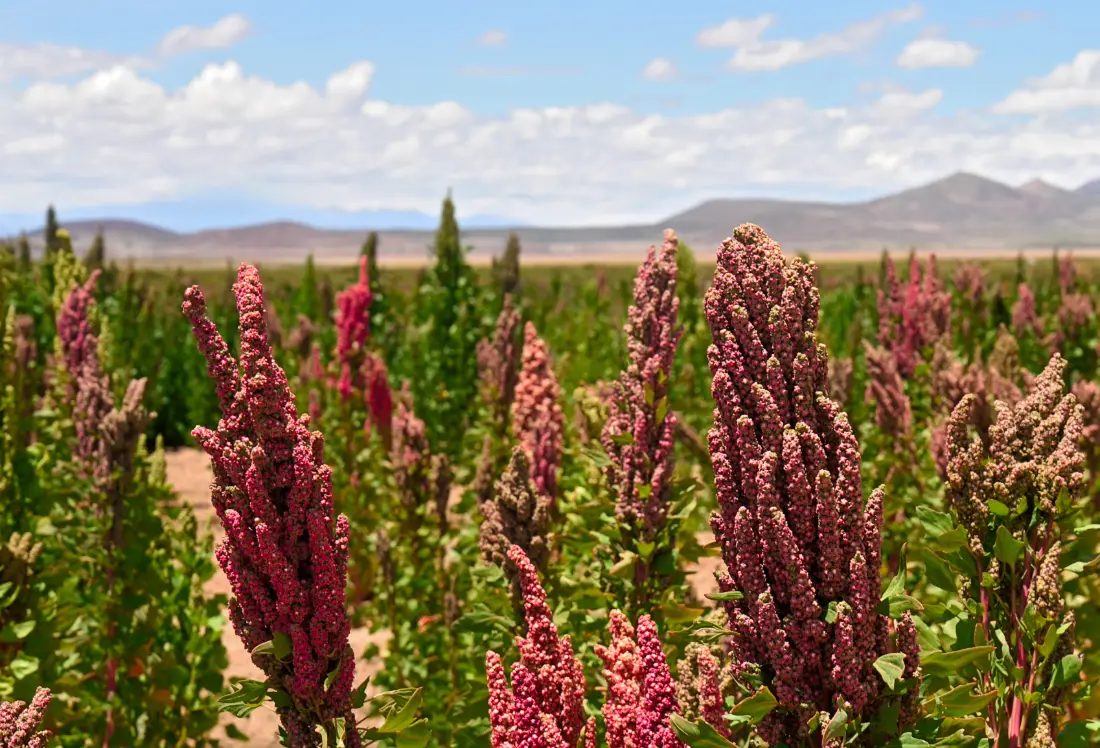
Ripe quinoa plants in an Andean field
Quinoa is grown in the Quebrada and the Puna and turns up in stews, salads and empanadas.

How to take part respectfully

The Pachamama isn't a show for tourists: it's an act of faith and gratitude. Communities usually welcome visitors, as long as they behave like guests.

  • Watch first: see who's leading, the order of the offerings and what others do before you step in.
  • Ask before taking photos or filming, especially of people and of the offering itself. If the answer is no, put your phone away.
  • Don't step on or touch the hole or the offerings, and don't join the circle unless you're invited.
  • If you're offered coca, chicha or caña, accept it and say thank you. If you'd rather not drink, you can offer it to the earth instead.
  • Bring something to give if you plan to take part: a handful of coca leaves, fruit or some home-cooked food is welcome.
  • Respect private spaces: a corpachada in someone's backyard is a family event. Only go in if you're invited.
  • Dress warmly and be patient: ceremonies can start late and run for hours outdoors.
  • Choose paid experiences carefully: if you book one through an agency, ask whether it's run with the community and who leads it.

And after the ceremony, stay and share the meal: eating together is part of the ritual. To know what you'll be served, see our guide to traditional food in Jujuy.

August weather: what to expect in the Quebrada

August is the heart of the dry winter in northern Argentina: sunny days, almost no rain and very cold nights. These are the typical temperatures from our weather guide:

  • Quebrada de Humahuaca: high 21 °C / low -2 °C (70 °F / 28 °F), with practically no rain.
  • San Salvador de Jujuy: high 22 °C / low 6 °C (72 °F / 43 °F).
  • Puna: much colder nights, with hard frosts.

August is also the month of the viento norte, a warm, dry north wind that kicks up dust in the afternoons. Morning ceremonies are usually sunny, but midday and afternoon ones can be windy, and night ceremonies, like Humahuaca's at midnight, are freezing.

Dress in layers: a T-shirt and sweater for the day, a warm jacket, wool hat and gloves for the evening, plus sunglasses and sunscreen, because at altitude the sun burns even when it's cold. Month-by-month details are in our guide to the best time to visit Jujuy.

Winter school holidays and booking in August

Argentina's winter school holidays fall in July, so the peak season ends just as Pachamama month begins. In 2026, for example, the break ran from July 13 to 24 in Jujuy and from July 20 to 31 in Buenos Aires city and province. That's why villages are still busy on August 1, although things quiet down afterward.

What to keep in mind when planning:

  • First weekend of August: demand is higher in the Quebrada, so book ahead.
  • Rest of the month: there's usually more availability and calmer prices than in July, except on long weekends.
  • Other dates in August: on August 23, Jujuy commemorates the Éxodo Jujeño, the 1812 evacuation of the city during the War of Independence, with events and a historical march in the capital and several villages.
  • Where to stay: Tilcara and Purmamarca are close to several ceremonies, while Humahuaca puts Uquía and the Puna within easy reach. Compare options in our Jujuy hotel search.

If you only have one day, pick the August 1 ceremony in San Salvador de Jujuy or Purmamarca, which are easy to fit into the rest of your trip.

Frequently Asked Questions

When is Pachamama Day in Jujuy?

The main day is August 1, set by national law 26,891, but ceremonies continue all month. In 2027, August 1 falls on a Sunday.

What is a corpachada?

It's the ritual of feeding the Pachamama: a hole is dug in the ground, filled with food, drink, coca leaves and cigarettes, and then covered. It ends with a shared meal and folk singing.

Why do people drink caña con ruda on August 1?

By tradition, cane spirit steeped with rue, taken on an empty stomach, protects against winter illnesses and brings good luck for the year. People usually take three sips.

Can tourists join a Pachamama ceremony?

Yes, at the open ceremonies run by town halls and communities, such as the one in Xibi Xibi Park in San Salvador de Jujuy or in Purmamarca's main square. Watch first, follow the person leading and ask before taking photos.

Where can I see the Pachamama in the Quebrada de Humahuaca?

In 2026 there were public ceremonies in Humahuaca, Purmamarca, Tumbaya, Maimará, Uquía, Tilcara and Huacalera, plus a festival in Volcán. Each year's dates are posted on the calendar of Jujuy's Ministry of Culture and Tourism.

Is Jujuy cold in August?

Not during the day: highs in the Quebrada are around 21 °C (70 °F) with sunshine. But nights drop to about -2 °C (28 °F), so pack a warm jacket, hat and gloves.

What is the Tango y Pacha Festival?

It's a festival that blends tango and folk music with the Pachamama ceremony. In 2026 it ran from August 14 to 16, with its main day in Huacalera.

Ready to travel?

Compare hotels, car rentals and tours in Jujuy.