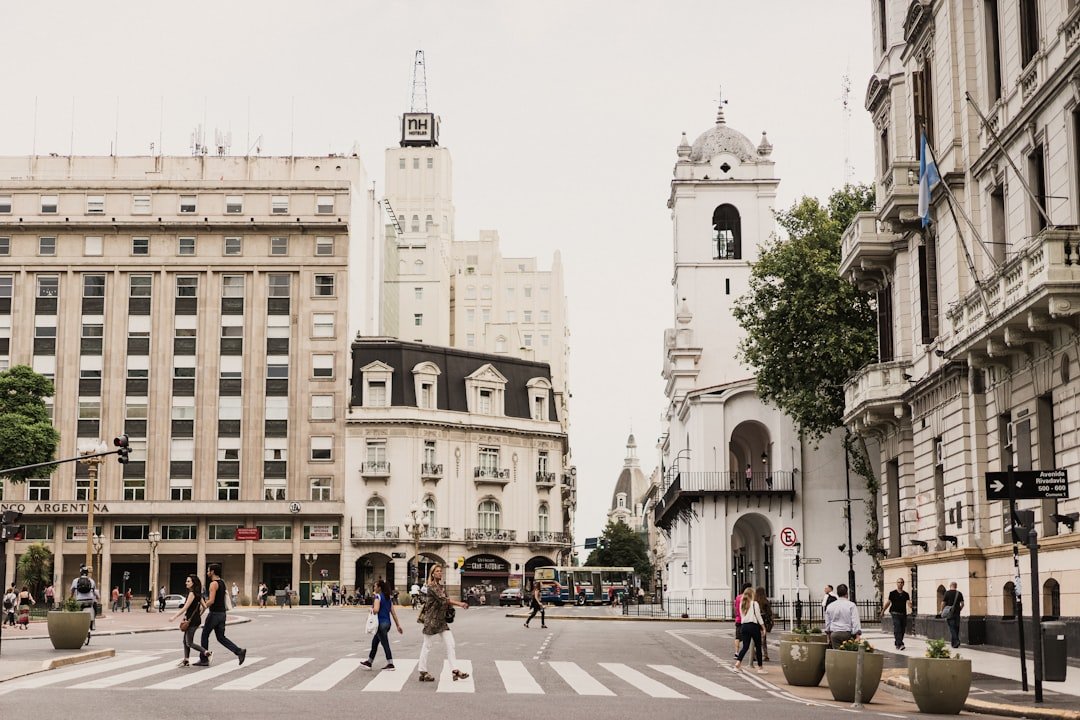
San Salvador de Jujuy has 300,000 inhabitants, the airport connecting northwest Argentina to Buenos Aires and the bus terminal from which services depart to every corner of the province. But it also has an 18th-century cathedral, the Cabildo where Independence was sworn before that act reached Tucumán, and a local food scene that almost no tourist discovers because they rush straight to the Quebrada. This guide gives you reasons to stay at least one night.
The Historic Center: Square, Cathedral and Cabildo
The cathedral's interior holds a little-known treasure: the 18th-century baroque pulpit, carved in polychrome wood with figures of saints and interwoven Andean motifs, considered one of the finest examples of mestizo baroque in northern Argentina. Entry is free during mass and visiting hours [verify current schedule].
The Historic Cabildo — where General Belgrano proclaimed the Jujuy Exodus in 1812, the episode in which the civilian population abandoned the city to avoid falling into Royalist hands — now operates as a museum with documents, maps and period objects. It is a brief but genuinely interesting visit for understanding the region's history. Steps away is the Provincial Government House, seat of the provincial executive, with its characteristic neoclassical facade.
The historic center is easily walkable in 2-3 hours, including the regional product shops on Belgrano and Alvear streets.
The City's Museums
The Juan Lavalle Provincial History Museum, in the colonial house where General Lavalle was killed in 1841, preserves original pieces from the Independence period and the Argentine civil wars, including the door with saber marks from Royalist soldiers attempting to break it down. The visit has something genuinely authentic about it because the building itself is the event.
The Provincial Archaeological Museum, in the city center, has collections of pre-Columbian ceramics and objects from cultures that inhabited northwest Argentina before Spanish arrival. It complements the Casanova Museum in Tilcara and helps understand the timeline of the region's indigenous peoples.
The Jujuy Art Museum [verify if still operating in 2026] has collections of contemporary Argentine art with emphasis on NOA artists. For travelers with time and an affinity for visual arts, it rounds out the historic center tour nicely.
The Mercado del Norte: The City's Gastronomic Heart
Inside the stalls you will find the largest variety of regional products concentrated in one place: Andean potatoes in dozens of varieties, colored corncobs, Puna quinoa from producers, local ground chili, llama jerky, Quebrada goat cheese, regional cured meats and Yungas fruits. It is also the best place to buy Andean medicinal herbs, coca leaves and local spices at wholesale prices.
The food stalls inside the market serve affordable breakfasts and lunches with regional products — coca mate is sometimes served in large gourds as a welcome. The market is most lively Tuesday to Saturday in the morning (8 AM-12 PM). Mondays tend to be quieter.
The Reyes Neighborhood and the City's Natural Surroundings
La Ciénaga dam, about 15 km from the center, is another natural space frequently visited by Jujuy residents on weekends. The reservoir has a wooded setting, picnic areas and kayak rentals [verify availability]. It is not a top-tier tourist attraction, but if you arrive on a sunny Saturday, it is where you will find real Jujuy people enjoying themselves.
The Quebrada de Humahuaca formally begins about 40 km north of the city, but the landscape starts changing well before that: the ochre hills appear on the horizon from the northern outskirts of San Salvador.
Food and Local Nightlife
For unpretentious regional cuisine at very reasonable prices, the long-established downtown restaurants serving locro, humitas and empanadas are the best bet [verify which are still operating in 2026]. For a more contemporary gastronomic experience working with local ingredients — quinoa, llama, Andean potato, regional chili — look to the Gorriti neighborhood or ask at your hotel about recent openings.
San Salvador's nightlife is active for a city of its size: there are bars with live folk and rock music, and several cultural spaces programming shows on Thursday, Friday and Saturday nights. Northern Argentine folk music — zamba, chacarera, copla — has a strong presence in peñas and downtown bars. Check the local events calendar before arriving.
San Salvador as a Base for Exploring Jujuy
From San Salvador all the major attractions are conveniently accessible: Purmamarca is 65 km (50 minutes), Tilcara 84 km (1h15), Humahuaca 130 km (1h45). Calilegua National Park, for those wanting to see the Yungas, is about 100 km southeast (1h20). The Salinas Grandes are 170 km away (2h30).
Accommodation in San Salvador is more affordable and varied than in the Quebrada tourist villages. There are national hotel chains with included parking — useful if you have a rental car — and boutique guesthouses in the historic neighborhood. Staying in the capital for the nights and using the car for day trips is a strategy many travelers overlook but one that works very well, especially off-peak when the Quebrada villages are half-empty by evening.
Frequently Asked Questions
Ready to travel?
Compare hotels, car rentals and tours in Jujuy.
Related Articles
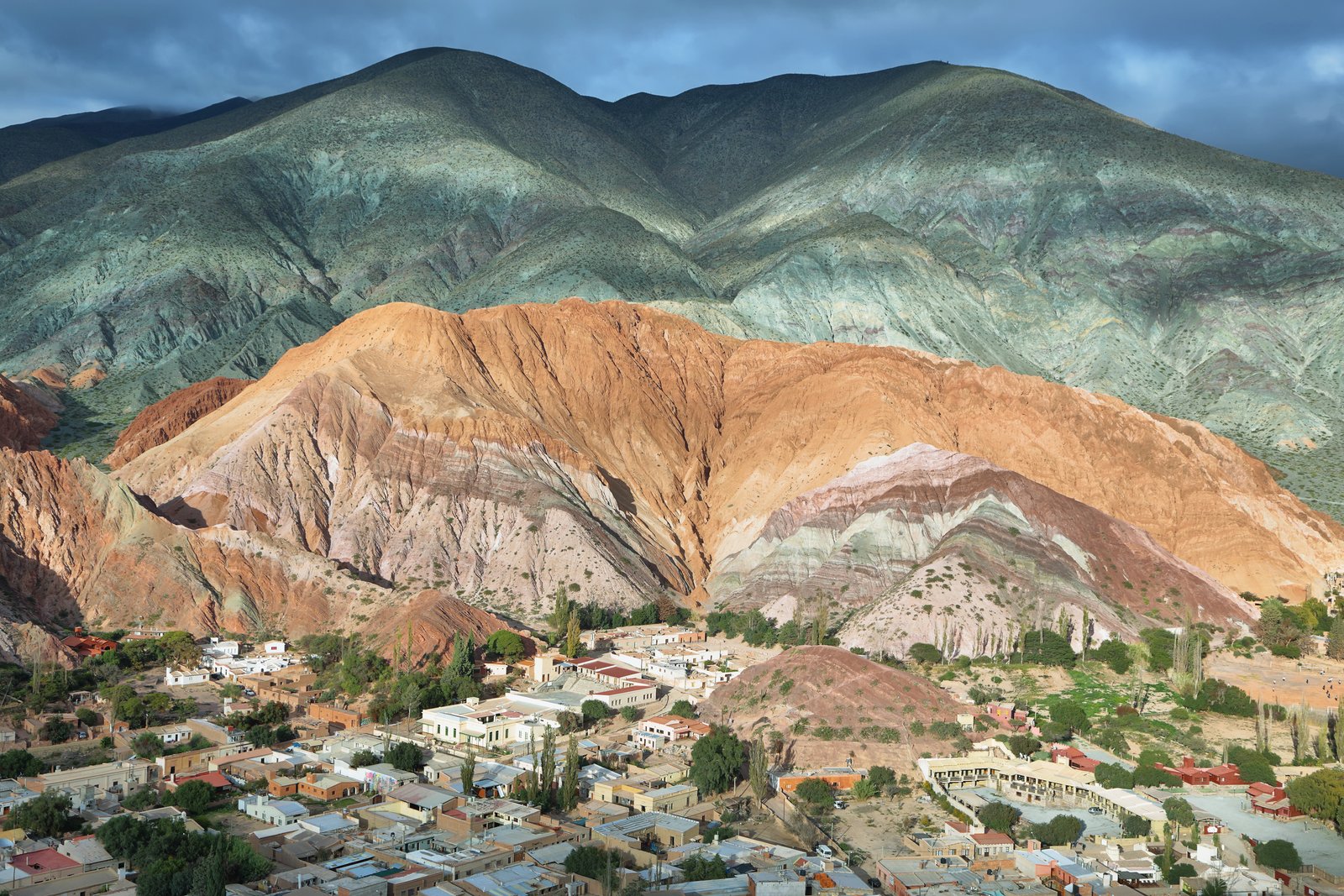
Quebrada de Humahuaca: Complete 2026 Guide — What to See, How to Get There & Where to Stay
Updated guide to the Quebrada de Humahuaca. UNESCO Heritage, towns, routes, accommodation and practical tips for your Jujuy trip.
Read more →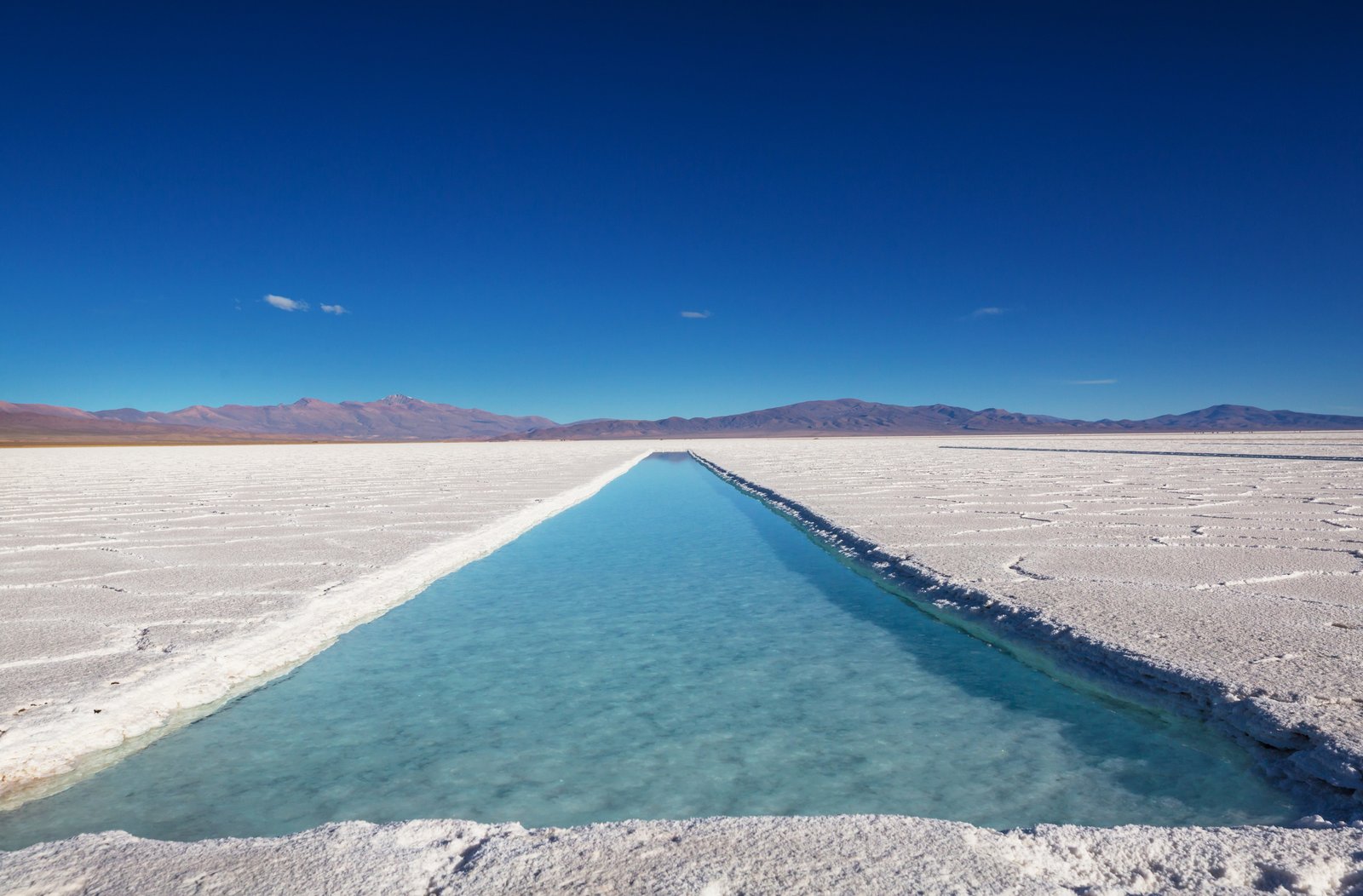
Salinas Grandes: How to Get There, Prices & Practical Tips
Everything about Jujuy's Salinas Grandes: routes, costs, best season, tours and tips for the perfect excursion from Purmamarca.
Read more →