San Salvador de Jujuy travel guide
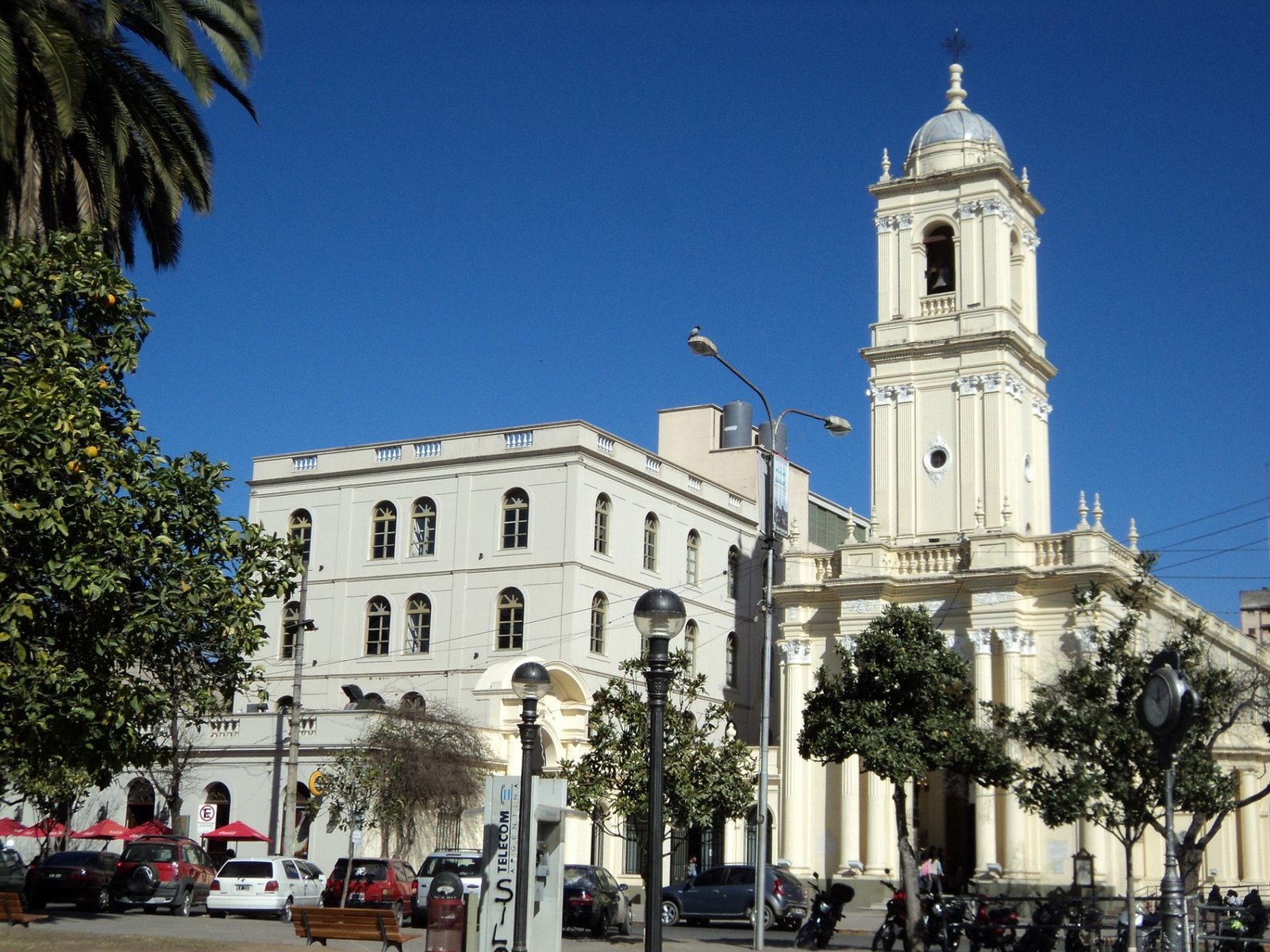
San Salvador de Jujuy, the provincial capital, is the gateway to all tourist destinations in the region. Located at 1,259 meters in a valley surrounded by mountains, the city combines colonial history (the Cathedral and Cabildo are National Historic Monuments), modern urban life, and cuisine fusing Andean traditions with contemporary cooking. It's the logical starting point for exploring the Quebrada de Humahuaca, Yungas, and Puna. The Gobernador Horacio Guzmán airport connects with Buenos Aires with daily flights.
Plan your visit to San Salvador de Jujuy
Must-sees
- 1Flag Hall in Government House
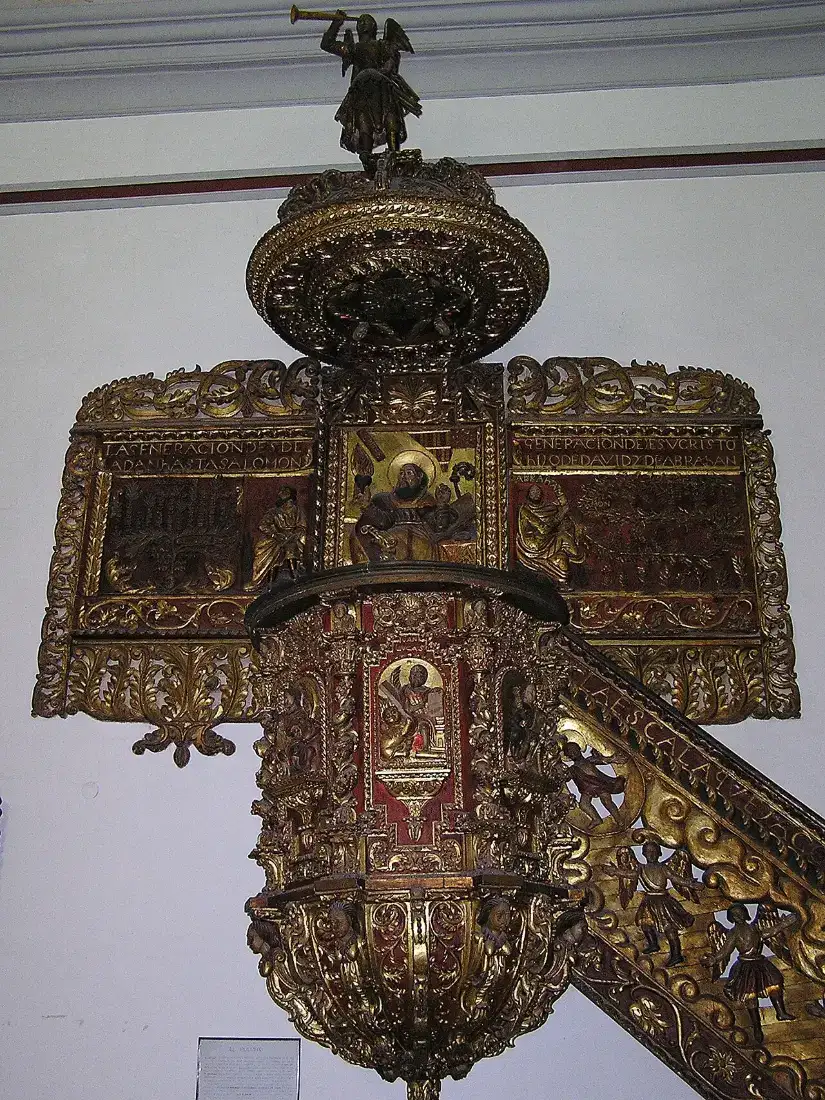
- 2Cathedral and its carved pulpit
- 3Cabildo and San Francisco church
- 4Alto La Viña viewpoint
- 5Termas de Reyes hot springs, 19 km away
How many days?
1 day for the historic centre; 2 or 3 nights if you use it as a base for the Quebrada or the Yungas. Sleeping here the first night helps you acclimatise.
Where to stay
Downtown (walk everywhere, best without a car), Alto La Viña (views, taxi or car needed) or Termas de Reyes (19 km out, to relax). More hotels and lower prices than in the Quebrada.
Getting there
Direct flights from Aeroparque (2 h 15 to 2 h 20) to JUJ airport, 33 km from the centre. About 120 km from Salta (around 2 h by bus).
Private transfer · JUJ Airport
From Jujuy Airport to San Salvador de Jujuy, door to door
- We meet you in the arrivals hall with a sign bearing your name.
- Private car with driver: Toyota Etios 1.5 XLS or Fiat Mobi.
- San Salvador, Purmamarca, Maimará, Tilcara, Huacalera and Humahuaca.
San Salvador de Jujuy: quick facts
- Airport
- Gobernador Horacio Guzmán (JUJ), in Perico, 33 km (21 mi) from downtown
- Flight from Buenos Aires
- Nonstop from Aeroparque, 2 h 15–2 h 20
- From Salta
- About 120 km (75 mi) by highway · around 2 h by bus
- Altitude
- 1,259 m (4,131 ft) above sea level
- Without a car
- Terminal Nueva bus station (Acceso Sur), with buses to the whole Quebrada, the Puna and the cloud forest
- Distances
- Purmamarca 65 km (40 mi) · Tilcara 84 km (52 mi) · Humahuaca 126 km (78 mi)
- How long to stay
- 1 night for the city; longer if you use it as a base
- Weather
- January: highs of 27 °C (81 °F), lows of 17 °C (62 °F) · July: 19 °C (66 °F) and 4.5 °C (40 °F) · rain December–March
- Don't miss
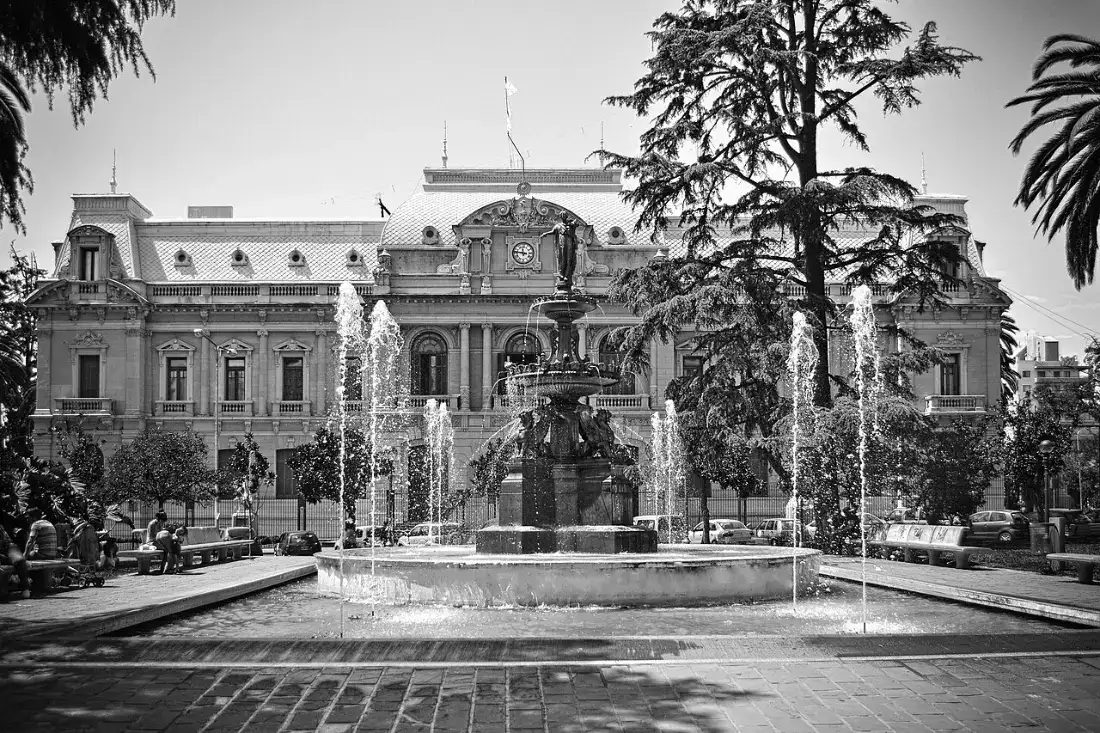
- The Flag Hall in Government House, on Plaza Belgrano
How to get to San Salvador de Jujuy: plane, bus and car
By air: Gobernador Horacio Guzmán Airport (code JUJ) is in Perico, 33 km (21 miles) south of downtown. In October 2026, Aerolíneas Argentinas and JetSMART flew nonstop from Buenos Aires Aeroparque, in 2 h 15–2 h 20; other routes, such as Córdoba, are added seasonally. Travelers from the US, UK or Australia usually connect in Buenos Aires. Compare schedules and fares on our flights to Jujuy page.
From the airport to the city you have three options:
- City bus line 15 (General Savio and San José companies): runs to the bus station and takes cash only. The cheapest choice.
- Taxi or remís (private car): official stands are right outside arrivals; agree on the fare before you get in.
- Rental car: several companies have desks at the airport. See the options on our Jujuy car rental page.
By bus: the Terminal Nueva bus station is on the southern access road, at the junction of RN 66 and RN 9. Dozens of buses a day come from Salta (Balut, Andesmar, Flecha Bus, Vía Tac and others), and the ride takes about 2 hours. Long-distance coaches also arrive from Buenos Aires, Córdoba and Tucumán, plus international services from Chile and Bolivia.
Driving from Salta, you can take the highway via RN 9, 34 and 66, about 120 km (75 miles), or the old RN 9 through La Caldera, shorter but narrow and full of bends. If you're not in a hurry, that winding road through mountain forest is a scenic drive in itself. Full details are in how to get to Jujuy.
What to see in the capital in one day
The historic center is an easy half-day on foot, and nearly everything is around Plaza General Belgrano:
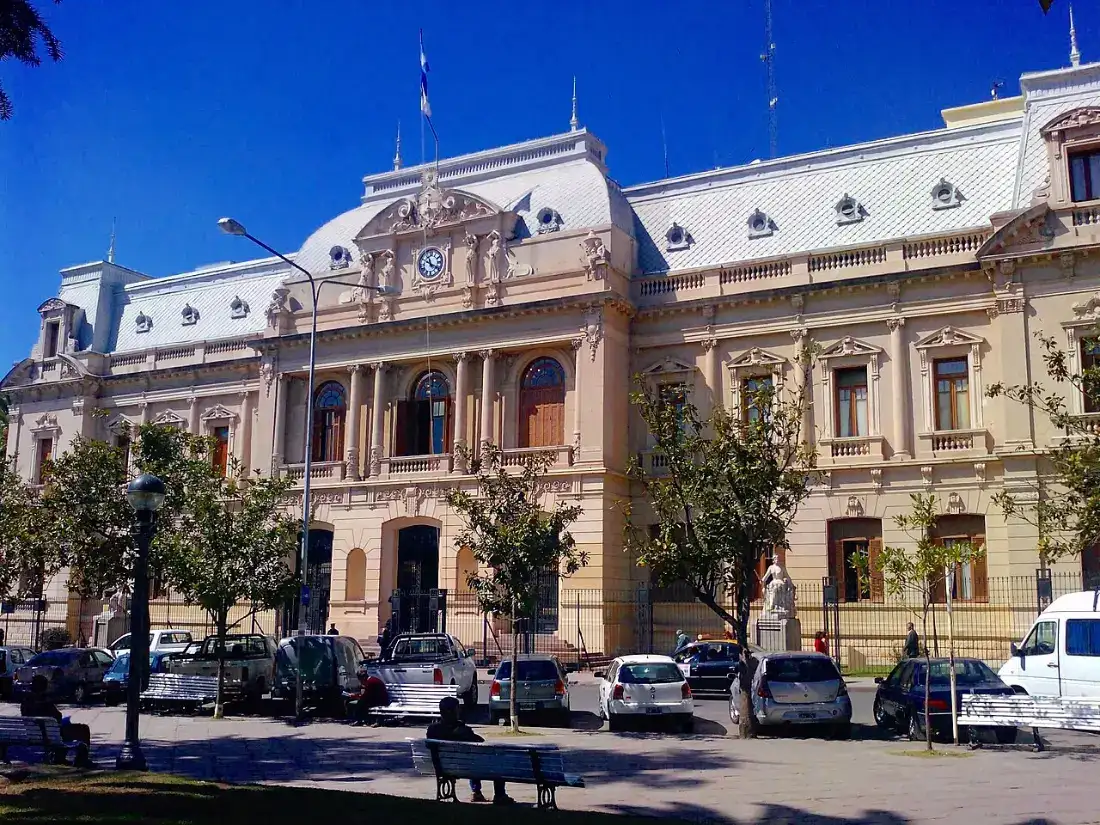
- Government House: a French academic-style building with sculptures by Lola Mora in the gardens. On the first floor, the Flag Hall (Salón de la Bandera) holds the flag Manuel Belgrano gave the people of Jujuy in 1813 to honor the 1812 Exodus. It's now displayed in an adjoining interpretation center.
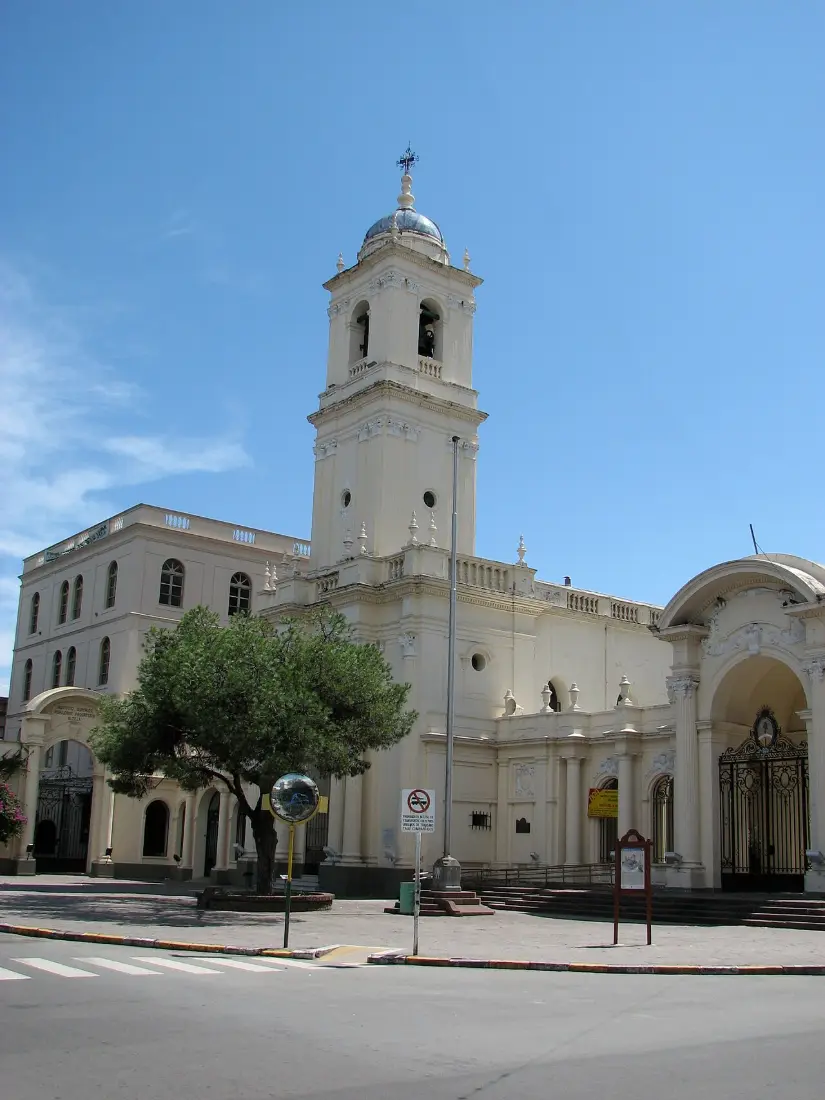
- The Cathedral: colonial in origin, with a carved, gold-leafed wooden pulpit considered one of the finest in Argentina, plus Cuzco-school paintings.
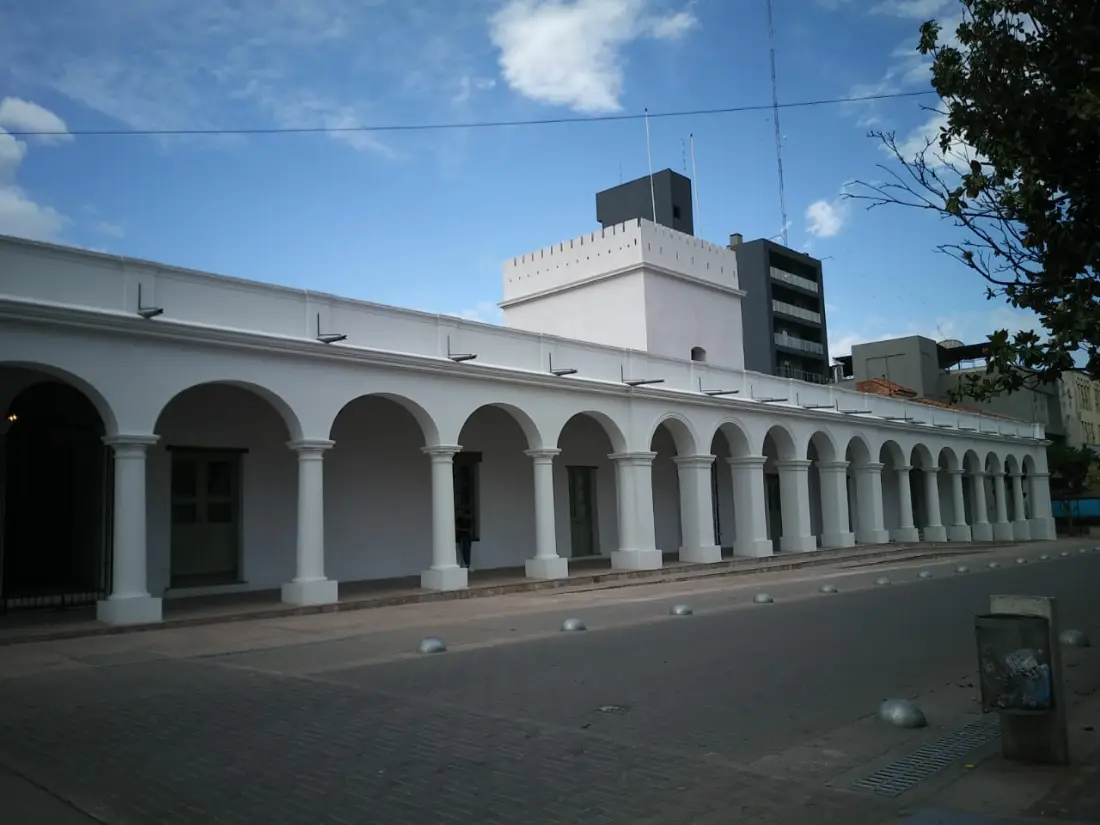
- The Cabildo (old town hall), now a museum, and the San Francisco church, a few blocks away.
For the full view of the city and valley, head up to the Alto La Viña lookout or the Cristo de la Hermandad on Cerro Las Rosas.
Two dates change the city's rhythm. On August 23 the Jujuy Exodus is commemorated with a nighttime reenactment and parades. In September, the National Students' Festival fills the streets with parade floats for about two weeks; in 2026 it ran September 12–26. If your trip overlaps, book your room early.
The full tour of museums, the market and neighborhoods is in what to see in San Salvador de Jujuy.
Where to stay in San Salvador de Jujuy
The capital has more hotels, and lower prices, than the Quebrada villages. Choose your area based on your plans:
- Downtown, around Plaza Belgrano and calle Belgrano: walk to museums and restaurants. The best choice if you don't have a car.
- Alto La Viña: hillside hotels with valley views and more space, but you'll need a taxi or car to get downtown.
- Termas de Reyes, 19 km (12 miles) away: hot springs in a green valley, perfect for unwinding before or after the Puna.
A few hotels from the province's official 2026 accommodation register:
- Howard Johnson Plaza Jujuy (Güemes 864): a 4-star downtown hotel with a pool and spa.
- Altos de la Viña (Pasquini López 50): a 4-star hotel above the city, with a pool and views.
- El Arribo Hotel (Belgrano 1263): a 3-star downtown hotel, highly rated on Tripadvisor.
- Gregorio I Hotel Boutique (Independencia 829): about 400 m (a quarter mile) from Plaza Belgrano.
- Hotel Spa Termas de Reyes (RP 4, km 19): a thermal-spa hotel outside the city, in the Reyes valley.
If you're driving, ask about parking, as street spaces downtown are limited. Compare rates on our Jujuy hotels page and see picks by area and budget in where to stay in San Salvador de Jujuy.
Where to eat in San Salvador de Jujuy
The capital is the best place in the province to try everyday Jujuy cooking, at lower prices than in the tourist villages. Four addresses recommended by the city tourism office and guides such as Fodor's:
- Viracocha (Independencia 994): a picantería (spicy-stew house) serving llama, trout, rabbit and quinoa. Booking recommended.
- Manos Jujeñas (Senador Pérez 379): classic regional cooking, famous for its locro. Closed on Mondays.
- Madre Tierra (Belgrano 619): a vegetarian, wholefood restaurant with its own bakery, open every day.
- Locoto (Necochea 154): open all day, a lifesaver during siesta hours.
What to order: locro (corn and meat stew), spicy chicken or tongue stew (picante), Jujuy-style empanadas, tamales, humita steamed in corn husks and, for dessert, fresh cheese with cayote squash preserve. Every dish is explained in our Jujuy food guide.
Mind the hours: many downtown kitchens close between 3 pm and 8 pm, and locals rarely sit down to dinner before 9 pm.
San Salvador de Jujuy weather by season
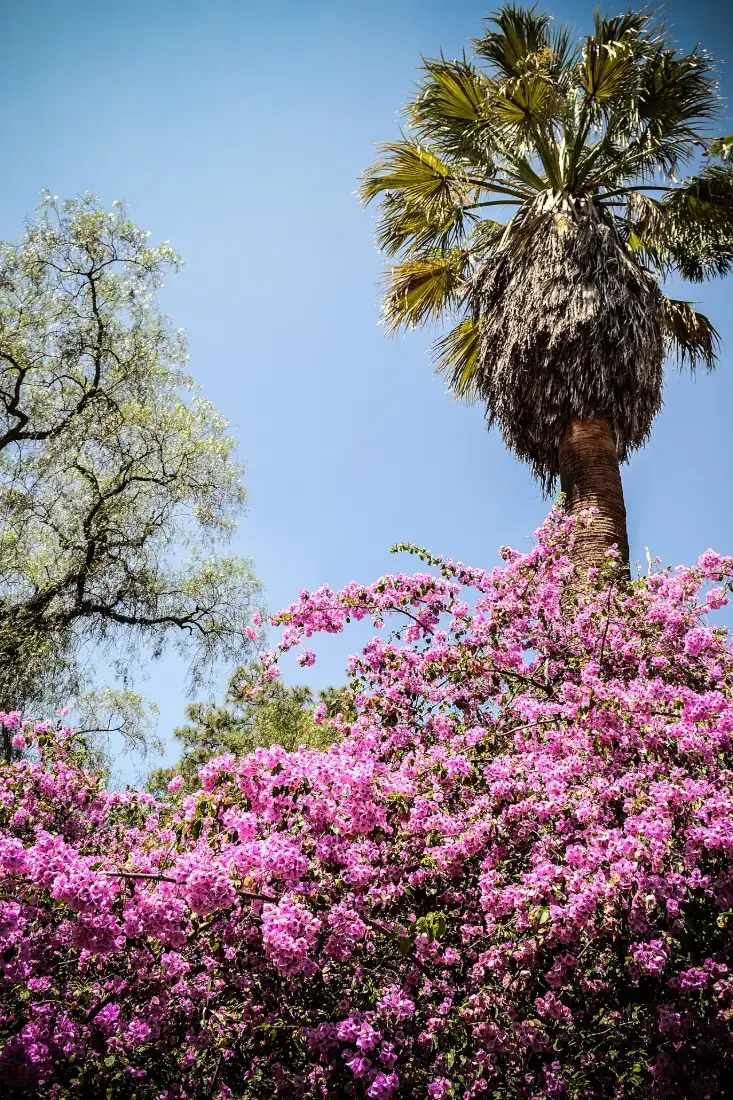
The capital has a subtropical climate with dry winters, very different from the Quebrada. According to 1991–2020 normals from Argentina's National Weather Service for the National University of Jujuy station, January averages highs of 27 °C (81 °F) and lows of 17 °C (62 °F). July averages 19 °C (66 °F) and 4.5 °C (40 °F). Annual rainfall is about 950 mm (37 in), mostly from December to March.
- Summer (December–March): humid heat, lush green hills and heavy rain, especially in the afternoon. The best time for the cloud forest, though some mountain roads get cut.
- Fall (April–May): mild days and less and less rain. A great time to combine the city and the Quebrada.
- Winter (June–August): dry and sunny, with cool mornings. In July, Argentina's winter school break drives up demand for flights and hotels.
- Spring (September–November): warm, dry days. September brings the National Students' Festival.
The Quebrada, just an hour away, is colder and much drier, so pack for both climates.
Day trips from the capital
With a car or on a tour, San Salvador de Jujuy puts almost all of the province's highlights within a day's reach:
- Purmamarca, 65 km (40 miles), about 1 hour: the Hill of Seven Colors and the craft market. Combine it with the Salinas Grandes via the Cuesta de Lipán.
- Tilcara, 84 km (52 miles), and Humahuaca, 126 km (78 miles): the classic Quebrada loop. Adding the Hornocal makes for a very long day, so it's better to stay overnight.
- Termas de Reyes, 19 km (12 miles): city bus line 38 runs there from downtown.
- Calilegua National Park in the Yungas cloud forest: about 112 km (70 miles) on RN 34 to Libertador General San Martín, then 8 km more to the Aguas Negras visitor center, open daily 8 am–7 pm.
- Tren Solar de la Quebrada: Volcán station, where the solar train ride begins, is 42 km (26 miles) north, with transfers from the city.
If you're short on time, the capital works well as a base outside peak season. To mix nights in the city and the Quebrada, see our 3–4 day Jujuy itinerary.
San Salvador de Jujuy's altitude: why it makes a good first night
San Salvador de Jujuy sits at 1,259 meters (4,131 feet) above sea level, in a valley between the Grande and Xibi Xibi rivers. It's Argentina's highest and northernmost provincial capital, but at this height almost nobody feels any symptoms: altitude sickness only becomes an issue higher up, in the Quebrada and the Puna.
That makes the capital the ideal first step. If you fly in from sea level, sleeping here and heading up the next day lets your body adjust gradually:
- Purmamarca: 2,324 m (7,625 ft)
- Tilcara: 2,465 m (8,087 ft)
- Humahuaca: 2,939 m (9,642 ft)
- Salinas Grandes: 3,450 m (11,319 ft)
The jump is big: in just over two hours on the road you can go from 1,259 m to nearly 3,000 m. It's best to climb in stages, with a night in Purmamarca or Tilcara before Humahuaca or the Puna. Every town is compared in our Jujuy altitude guide.
The city also looks nothing like the rest of the province: green, humid in summer and ringed by hills covered in cloud forest. For many travelers it's the surprise of the trip.
Practical tips
- Cash: the capital is the best place to withdraw money before heading up. ATMs downtown, at the bus stations and in supermarkets are restocked more often than those in the Quebrada. Foreign cards pay a hefty fee per withdrawal, so take out larger amounts less often.
- City buses: you pay with a SUBE card, sold and topped up at kiosks around town. Airport line 15, however, takes cash.
- Siesta: many shops close for a few hours after lunch. Plan errands for the morning or late afternoon.
- Driving: RN 9 to the Quebrada is paved, but avoid driving at night because of loose livestock and heavy trucks.
- Peak season: July, Holy Week, Carnival (February 8–9, 2027) and the Students' Festival week. Book flights and hotels well ahead.
- Altitude: if you're heading to the Puna, don't go up the same day you land. Spend the first night in the capital or in Purmamarca.
San Salvador de Jujuy travel guides
- Jujuy Food Guide: The Traditional Dishes You Must Try in Northwest Argentina →
- San Salvador de Jujuy: What to See in the Capital — Historic Center, Museums and Food →
- How to Get to Jujuy, Argentina: Flights, Buses and Driving (2026) →
- Where to Stay in San Salvador de Jujuy: Best Hotels and Areas →
- 10 Best Day Trips from San Salvador de Jujuy, Argentina →
- Yala Lagoons, Jujuy: Potrero de Yala Park, Paredones and Camping →
- Termas de Reyes Hot Springs, Jujuy: Spa Hotel, Pools and Getting There →
- The Jujuy Exodus: What Happened in 1812 and How It's Remembered →
- National Students' Festival in Jujuy: A Guide to the FNE 2027 →
Frequently Asked Questions
How to get to San Salvador de Jujuy from Buenos Aires?
Flying is fastest: nonstop flights from Aeroparque take 2 h 15–2 h 20 and land in Perico, 33 km from downtown. Long-distance buses also run to the city's main bus station.
How do I get from Jujuy airport to the city?
Take city bus line 15 to the bus station (cash only), or a taxi or private car from the stand outside arrivals. Car rental desks are also available at the airport.
How many days should I spend in San Salvador de Jujuy?
One day covers the historic center, Government House and the Cathedral. If you use it as a base for the Quebrada or the cloud forest, stay two or three nights.
Is San Salvador de Jujuy a good base for exploring the province?
Yes, especially outside peak season and if you have a car: there are more hotels and lower prices. For Humahuaca, the Hornocal or the Puna, it's still worth spending a night higher up so you don't spend the whole day driving.
What is the altitude of San Salvador de Jujuy?
San Salvador de Jujuy sits at 1,259 m (4,131 ft). It's Argentina's highest provincial capital, but at this height almost no one gets altitude sickness.
How far is San Salvador de Jujuy from Salta?
About 120 km (75 miles) by highway. The bus takes around 2 hours, with dozens of departures a day from Salta's bus station.
When is the best time to visit San Salvador de Jujuy?
April to November, when it barely rains. Summer is hot and rainy, though it's the best season to see the cloud forest at its greenest.
Can I tour the Quebrada without a car from the capital?
Yes. Buses leave the main bus station almost hourly for Purmamarca, Tilcara and Humahuaca. For the Salinas Grandes or the Hornocal, book a tour or a private driver.
What to do in San Salvador de Jujuy?
Jujuy Cathedral. Historic Cabildo. Central Market. Termas de Reyes hot springs (19km away). San Martín Park.
Nearby Destinations
 Town2.324 m
Purmamarca
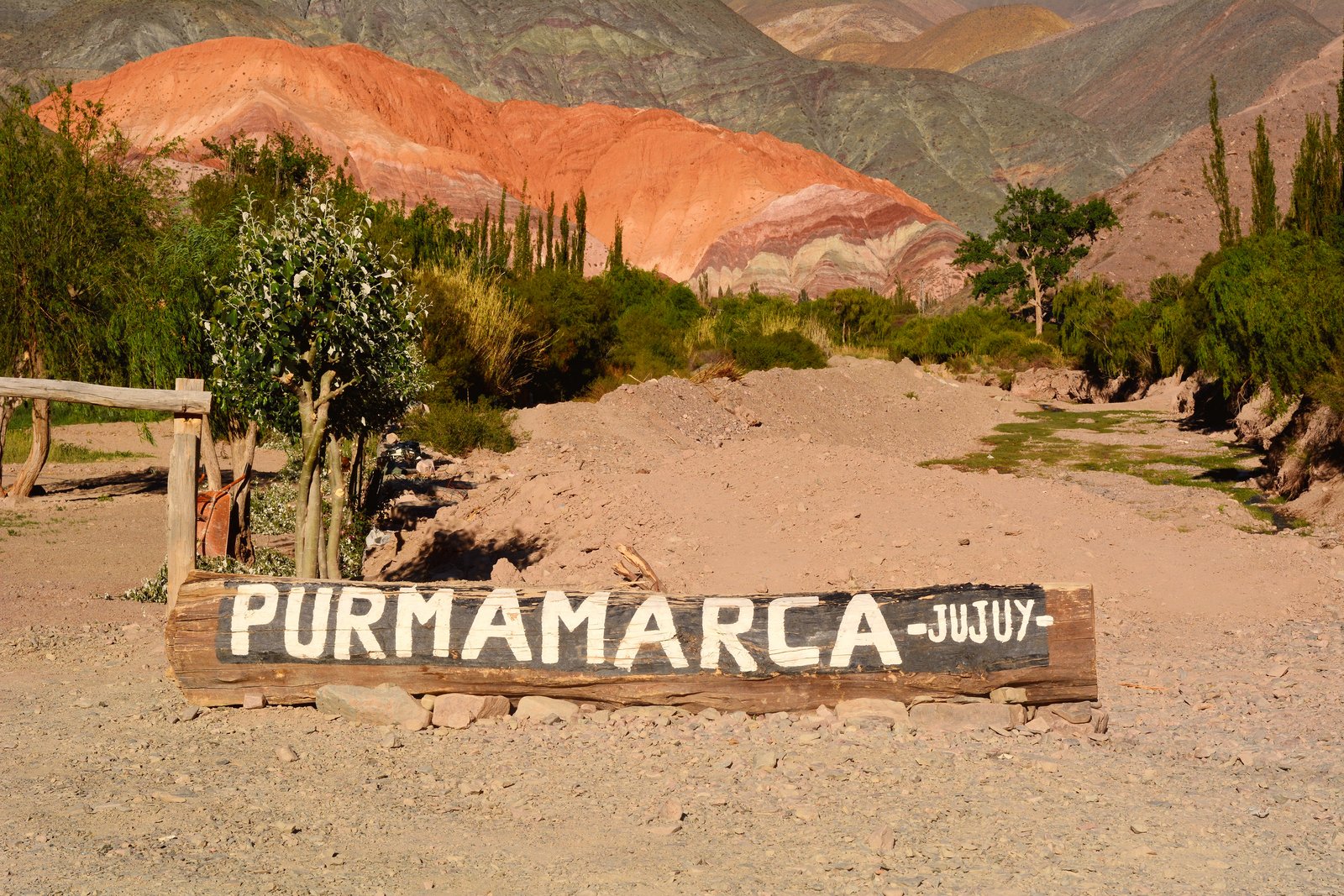
Purmamarca is a small gem nestled at the foot of the legendary Hill of Seven Colors, at 2,324 meters altitude and just 65 km from San Salvador de Jujuy. This town of dirt streets and adobe houses preserves its colonial and pre-Hispanic essence like few places in Argentina. Its central plaza, surrounded by a permanent artisan market, is the starting point for the Paseo de los Colorados (a 3 km circuit around multicolored rock formations), visiting the Santa Rosa de Lima church (17th century), and watching the sunset over the hill. Purmamarca is also the gateway to the Salinas Grandes via the spectacular Cuesta de Lipán, ascending to 4,170 meters.
Explore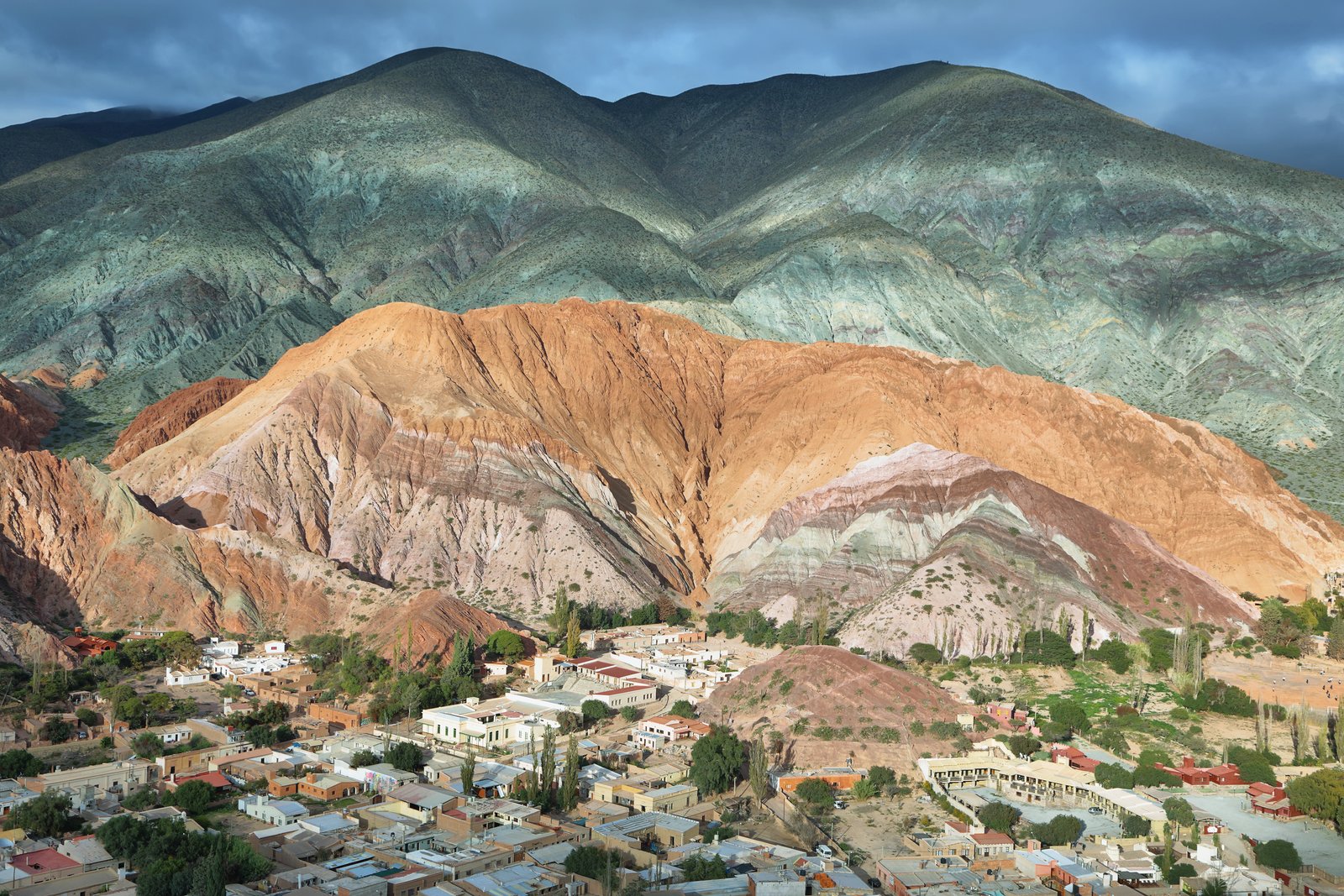 UNESCO Heritage1.640 – 3.690 m
Quebrada de Humahuaca
The Quebrada de Humahuaca, declared a UNESCO World Heritage Site in 2003, is a stunning 155 km valley stretching along the Río Grande, surrounded by multicolored mountains reaching over 4,000 meters. This natural corridor was part of the Inca Trail and today connects Jujuy's most iconic towns: Purmamarca, Tilcara, Maimará, and Humahuaca. Its geological formations, millions of years old, paint a landscape of reds, ochres, greens, and purples that shift with daylight. The Quebrada combines pre-Columbian archaeology, colonial architecture, living indigenous culture, and unique Andean gastronomy. It is the essential destination of any trip to northwestern Argentina.
Explore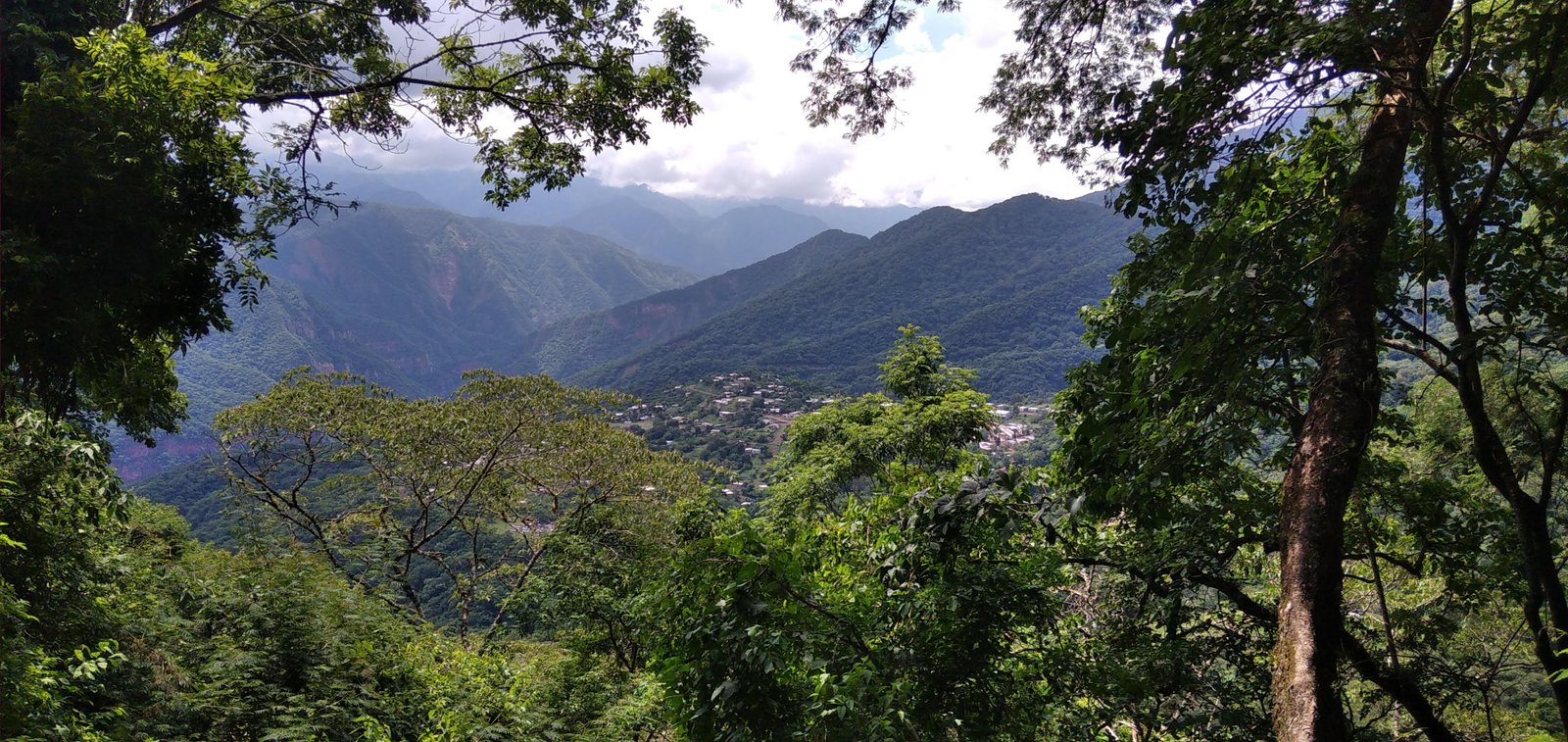 Nature400 – 3.000 m
Yungas & Calilegua National Park
The Jujuy Yungas are the subtropical mountain rainforest covering the eastern part of the province, an ecosystem completely different from the Quebrada and Puna. Calilegua National Park, with 76,306 hectares, protects the country's largest Yungas area. Vegetation is lush with giant ferns, orchids, and biodiversity including jaguars, tapirs, and toucans. Trails range from easy walks to multi-day treks. The transition from the arid Quebrada to green jungle is one of northwestern Argentina's most spectacular contrasts.
Explore