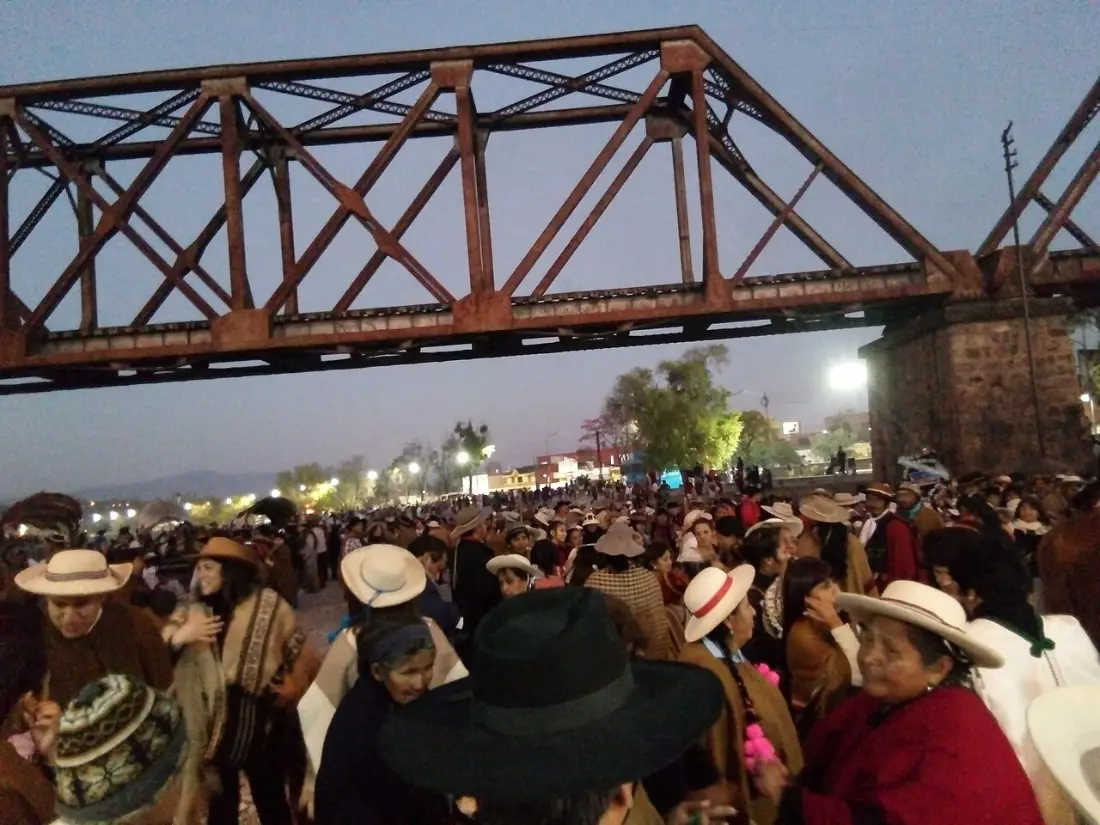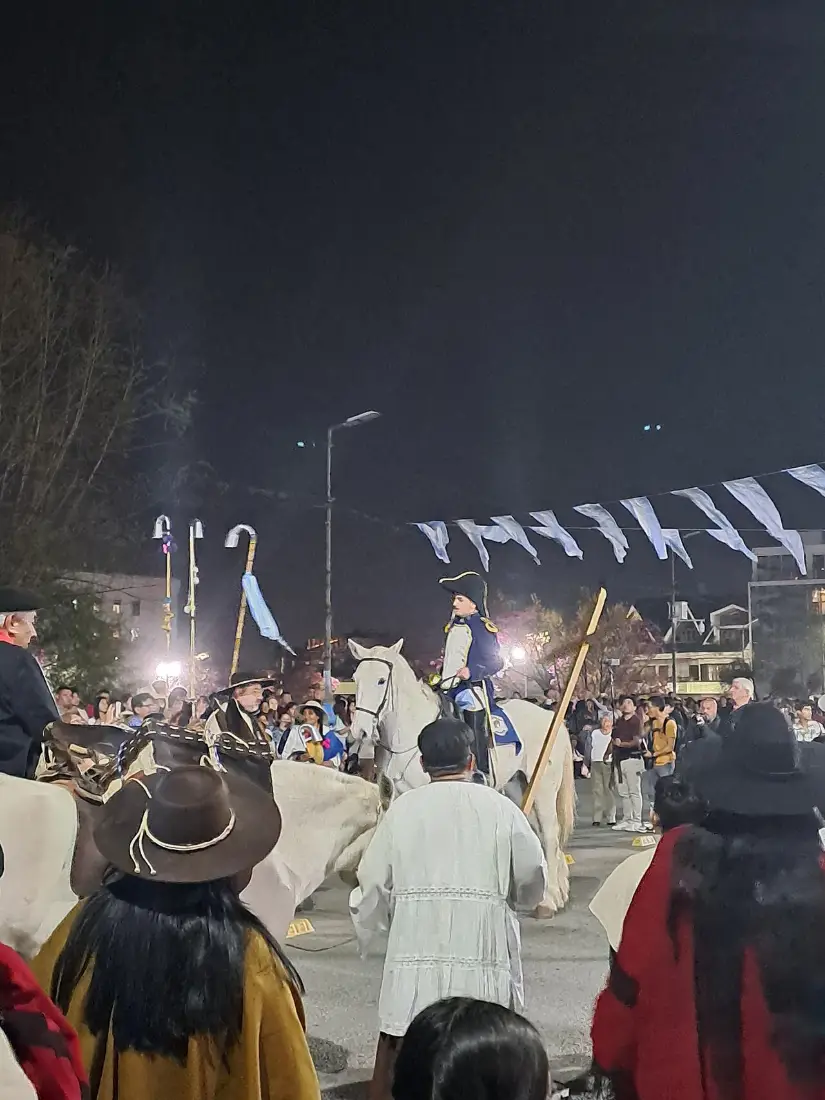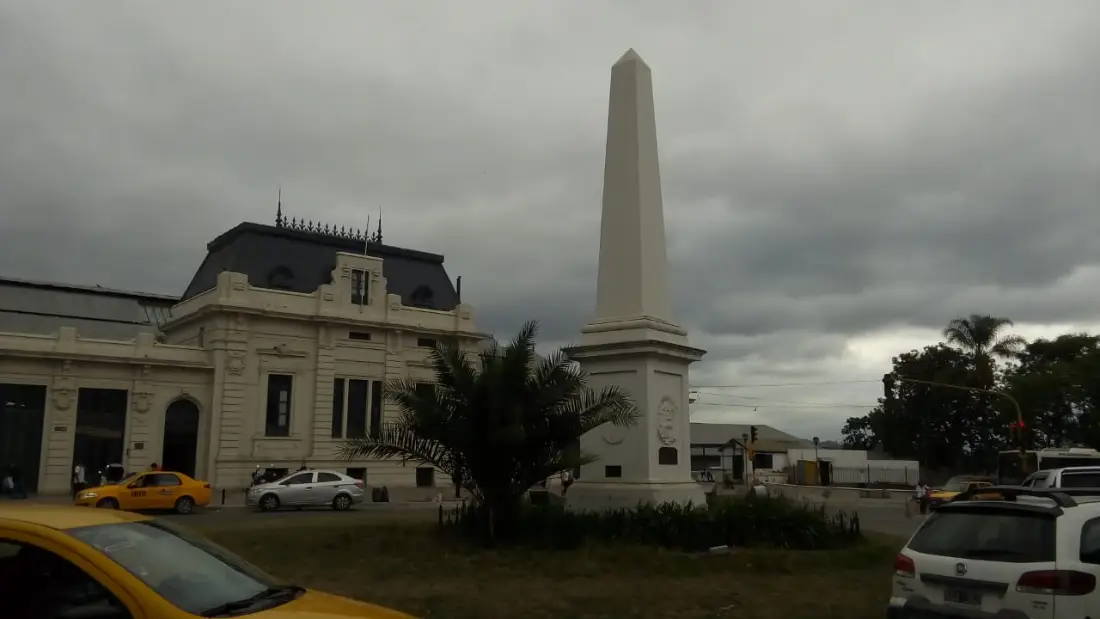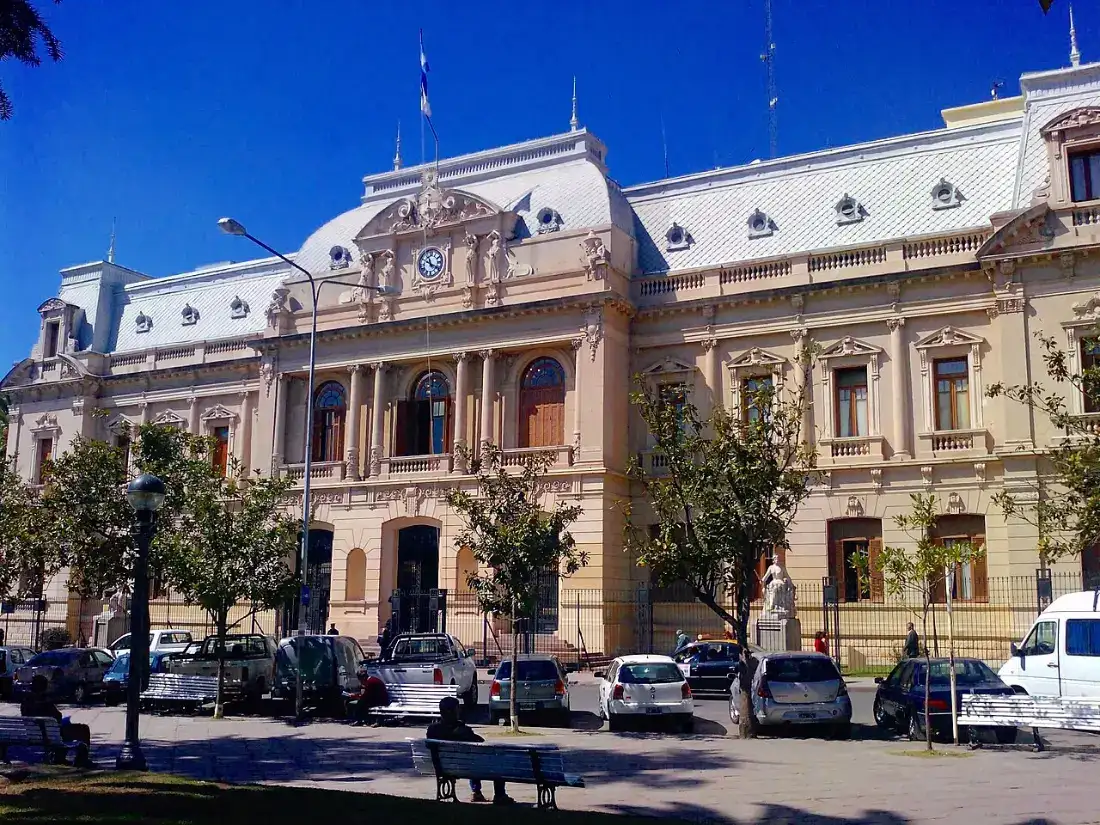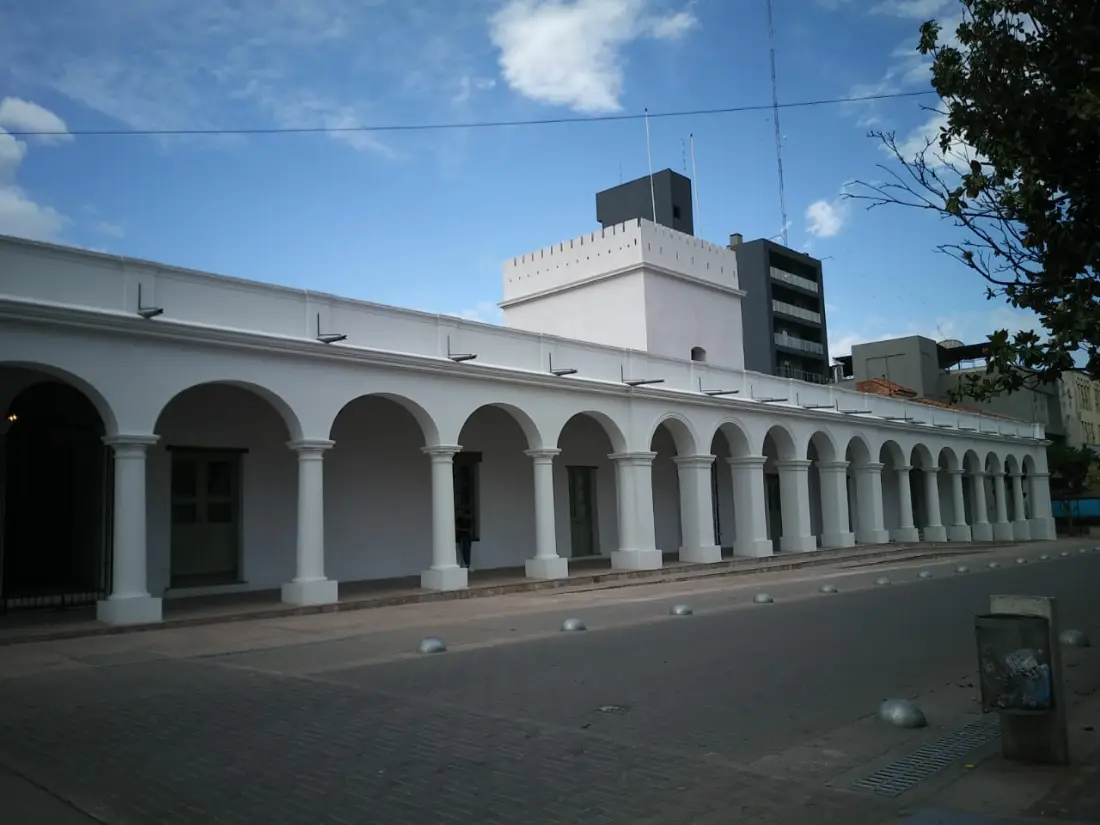
In 1812, the revolution launched in Buenos Aires two years earlier was in danger in the north. After a heavy defeat at Huaqui, the patriot Army of the North had fallen back, demoralized and short of weapons. Belgrano, the man who created the Argentine flag, took command that year, set up headquarters in San Salvador de Jujuy and rebuilt the army. On 25 May he had the blue-and-white flag blessed in the city's main church, today's cathedral.
Meanwhile a royalist army of around 3,000 men under General Pío Tristán was advancing from Upper Peru. The government in Buenos Aires ordered Belgrano to retreat to Córdoba and leave the enemy nothing it could use. On 29 July 1812, Belgrano signed a proclamation (bando) in Jujuy addressed to the people of the province. Some of its orders, as reproduced by Argentina's national government:
- Ranchers: move all cattle, horses, mules and sheep from their estates toward Tucumán.
- Farmers: secure their harvests by taking them to the same place.
- Merchants: pack up their goods and send them south; anything left behind would be burned.
- Everyone: anyone not ready to march at the first order would be treated as a traitor.
The penalties were brutal, including execution, and the order demanded an enormous sacrifice from ordinary people.