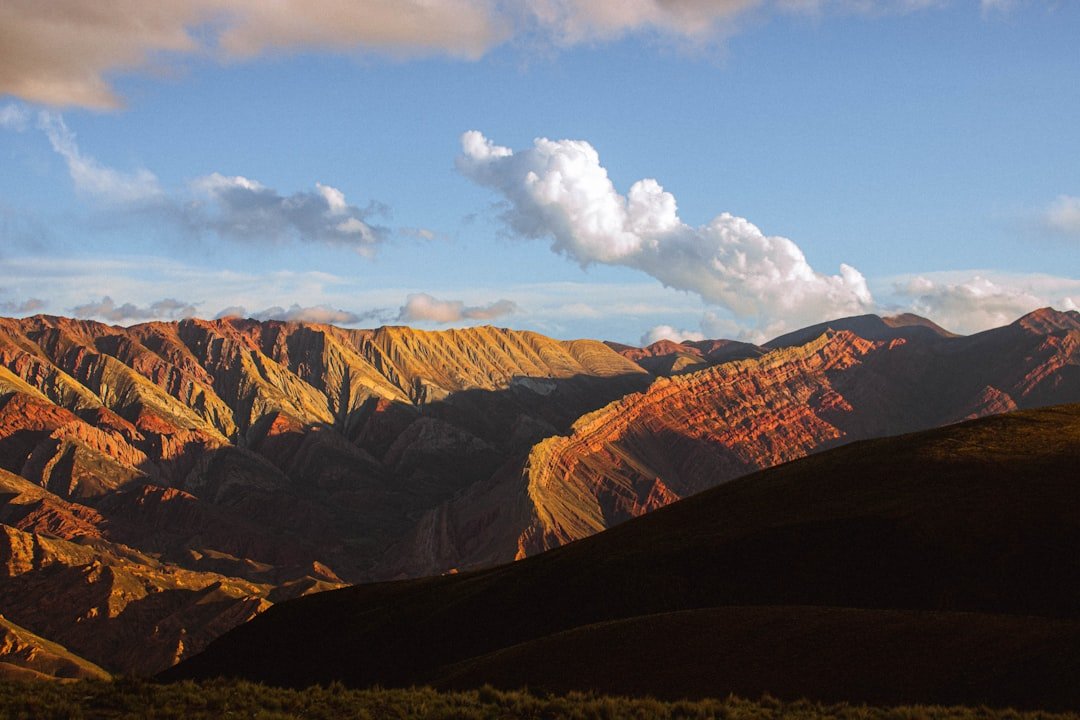
Maimara is 24 km from Purmamarca and 20 km from Tilcara, in the heart of the Quebrada de Humahuaca. With just 2,000 inhabitants, it is easily overlooked between its more famous neighbors, but it has something no other Quebrada village can offer: the Painter's Palette, a hillside where geology creates the most colorful canvas in northwest Argentina, with what may be the most photogenic cemetery in the country as its foreground.
The Painter's Palette: The Canvas That Geology Paints
The name says it all: the southern hillside of the peak that dominates Maimara looks like an artist's canvas with twenty-five different colors applied in horizontal bands. Intense red, calcareous white, grayish green, sulfur yellow, violet, orange, brown and gray succeed one another from bottom to top in a progression that changes with each hour of the day and each angle of the light.
The geology is the same as that of Purmamarca's Hill of Seven Colors — different sedimentary periods with distinct minerals — but in Maimara the scale is different: the hillside is wider and the contrast between bands is more abrupt, creating a more dramatic and less studied composition than Purmamarca's.
The best light for photographing the Painter's Palette is at sunset, when the low western sun illuminates the hillside head-on. At that moment the colors become more saturated and the cemetery in the foreground receives the same golden light. Morning is also good, but the hillside is partially in shadow until 9-10 AM. The classic viewpoint is from National Route 9 or from the riverbank, with the village on the right side of the frame.
The geology is the same as that of Purmamarca's Hill of Seven Colors — different sedimentary periods with distinct minerals — but in Maimara the scale is different: the hillside is wider and the contrast between bands is more abrupt, creating a more dramatic and less studied composition than Purmamarca's.
The best light for photographing the Painter's Palette is at sunset, when the low western sun illuminates the hillside head-on. At that moment the colors become more saturated and the cemetery in the foreground receives the same golden light. Morning is also good, but the hillside is partially in shadow until 9-10 AM. The classic viewpoint is from National Route 9 or from the riverbank, with the village on the right side of the frame.
Maimara Cemetery: The Most Surprising Foreground in Northwest Argentina
At the foot of the Painter's Palette, on a gentle rise overlooking the Río Grande, the Maimara cemetery is one of the most photographed in Argentina. Not for its size or mausoleums, but for the casual chromatic combination that turns it into an involuntary work of art: white crosses, brightly painted niches and colorful artificial flowers form a foreground that contrasts and complements the multicolored hillside behind.
The cemetery is active — locals bury their dead here — and must be visited with appropriate respect. The oldest graves date from the late 19th century and inscriptions reflect the history of Quebrada families across generations. On Día de los Muertos (November 2) families come to clean and decorate graves; it is one of the most moving and authentic rituals in the Quebrada de Humahuaca.
Entry is free. From the cemetery, following the dirt path up the hillside, you can partially climb the Painter's Palette for a different perspective over the village and river — there is no official trail, but access in the first 200 meters is straightforward.
The cemetery is active — locals bury their dead here — and must be visited with appropriate respect. The oldest graves date from the late 19th century and inscriptions reflect the history of Quebrada families across generations. On Día de los Muertos (November 2) families come to clean and decorate graves; it is one of the most moving and authentic rituals in the Quebrada de Humahuaca.
Entry is free. From the cemetery, following the dirt path up the hillside, you can partially climb the Painter's Palette for a different perspective over the village and river — there is no official trail, but access in the first 200 meters is straightforward.
Maimara's High-Altitude Vineyards
Maimara hides one of Argentina's best-kept winemaking secrets: vineyards at over 2,000 meters of altitude producing wines with unique characteristics. The extreme thermal range of the valley — differences of 20-25°C between day and night — produces grapes with a concentration of sugars, aromas and polyphenols that Mendoza's warmer valleys cannot replicate.
The most cultivated varieties in the Maimara area are torrontés (the emblematic NOA grape), high-altitude malbec and tannat. Jujuy high-altitude wines have more pronounced acidity and more complex aromas than those from lower valleys.
Some producers in the area receive visitors [verify wineries with public visits in 2026 and contact details]. If wine tourism interests you, the NOA high-altitude wine route connects Maimara with the Calchaquí valleys of Salta and Cafayate. It is not as developed for tourism as Mendoza, but that is precisely what makes it interesting.
The most cultivated varieties in the Maimara area are torrontés (the emblematic NOA grape), high-altitude malbec and tannat. Jujuy high-altitude wines have more pronounced acidity and more complex aromas than those from lower valleys.
Some producers in the area receive visitors [verify wineries with public visits in 2026 and contact details]. If wine tourism interests you, the NOA high-altitude wine route connects Maimara with the Calchaquí valleys of Salta and Cafayate. It is not as developed for tourism as Mendoza, but that is precisely what makes it interesting.
The Village and Its Everyday Life
Maimara has the lowest tourist-to-local ratio of all the Quebrada de Humahuaca villages with top-tier photographic attractions. Most tourist buses stop for five minutes at the roadside viewpoint for the Painter's Palette photo and continue toward Purmamarca or Tilcara. This means that if you get out of the car and walk through the village, you experience a Quebrada town without the tourist filter.
Maimara's center has a small square, a well-preserved colonial church and a few regional product shops. The pace is that of an Andean agricultural village: in the morning you hear the braying of donkeys and activity at the small market stalls. At midday the village grows quiet in the heat. At dusk the square comes alive again.
There are a couple of diners and general stores where you can eat homemade empanadas and tamales at very affordable prices, far from the tourist circuit. If you are traveling with time to spare, lunch in Maimara between visiting Purmamarca and arriving in Tilcara is one of those unscripted travel experiences you remember.
Maimara's center has a small square, a well-preserved colonial church and a few regional product shops. The pace is that of an Andean agricultural village: in the morning you hear the braying of donkeys and activity at the small market stalls. At midday the village grows quiet in the heat. At dusk the square comes alive again.
There are a couple of diners and general stores where you can eat homemade empanadas and tamales at very affordable prices, far from the tourist circuit. If you are traveling with time to spare, lunch in Maimara between visiting Purmamarca and arriving in Tilcara is one of those unscripted travel experiences you remember.
How to Get There and How to Combine Maimara with the Rest of the Quebrada
Maimara is on National Route 9, the main Quebrada highway, 79 km from San Salvador de Jujuy (1 hour by car), 24 km from Purmamarca (25 minutes) and 20 km from Tilcara (20 minutes). Balut buses covering the San Salvador-Humahuaca route stop in Maimara with several daily services.
The ideal combination for a full day on the central Quebrada: leave early from San Salvador or Purmamarca, arrive in Maimara at 8-9 AM to see the cemetery and the Painter's Palette in morning light, continue to Tilcara for the Pucará and market, and end in Purmamarca for sunset over the Hill of Seven Colors. By car this is a comfortable 130 km circuit.
For overnight stays in Maimara, the offer is limited: there are one or two small guesthouses [verify availability and current prices]. Most travelers use Tilcara or Purmamarca as a base and visit Maimara as an intermediate stop, which makes complete sense.
The ideal combination for a full day on the central Quebrada: leave early from San Salvador or Purmamarca, arrive in Maimara at 8-9 AM to see the cemetery and the Painter's Palette in morning light, continue to Tilcara for the Pucará and market, and end in Purmamarca for sunset over the Hill of Seven Colors. By car this is a comfortable 130 km circuit.
For overnight stays in Maimara, the offer is limited: there are one or two small guesthouses [verify availability and current prices]. Most travelers use Tilcara or Purmamarca as a base and visit Maimara as an intermediate stop, which makes complete sense.
Frequently Asked Questions
Ready to travel?
Compare hotels, car rentals and tours in Jujuy.
Related Articles
Destinations
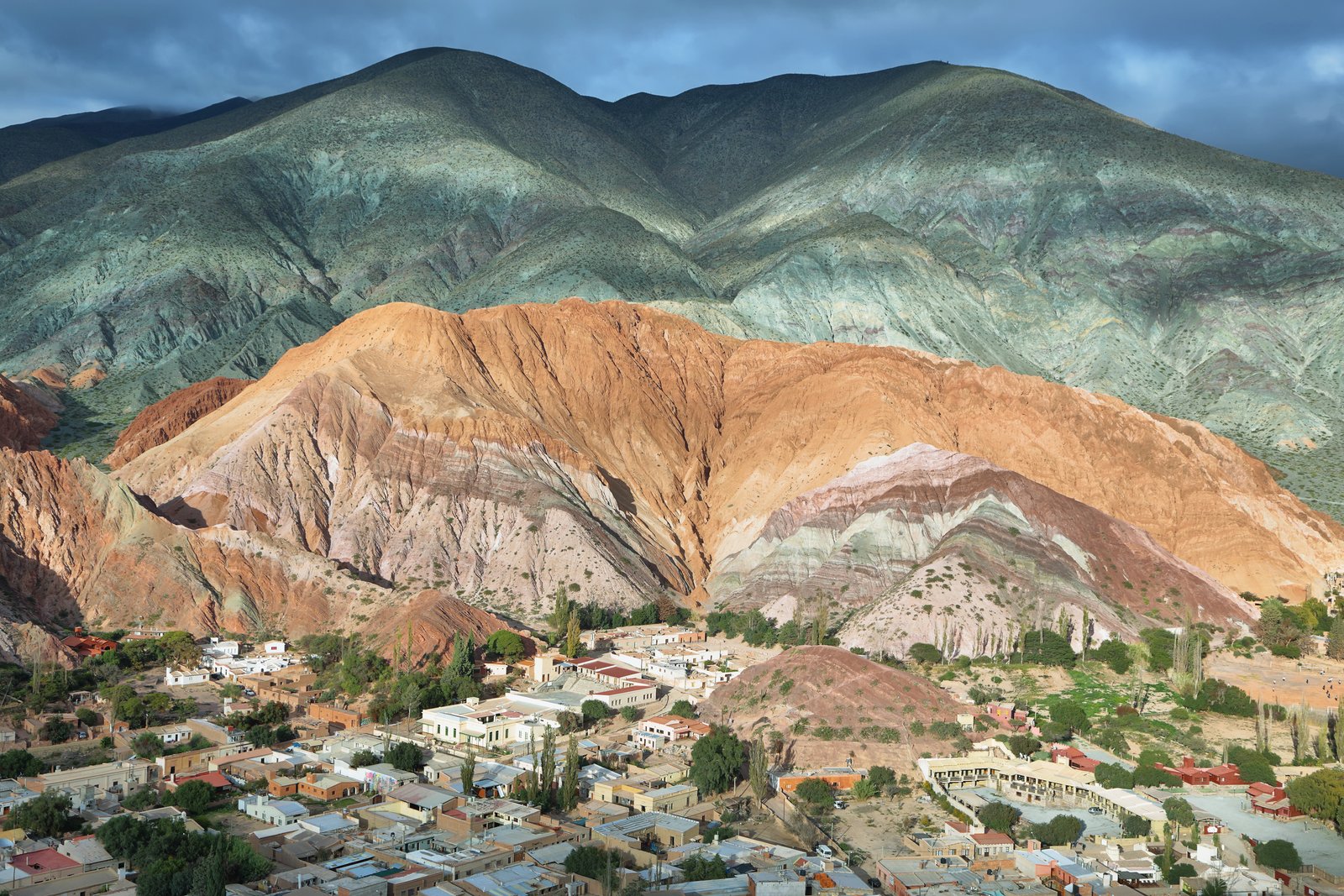
Quebrada de Humahuaca: Complete 2026 Guide — What to See, How to Get There & Where to Stay
Updated guide to the Quebrada de Humahuaca. UNESCO Heritage, towns, routes, accommodation and practical tips for your Jujuy trip.
Read more →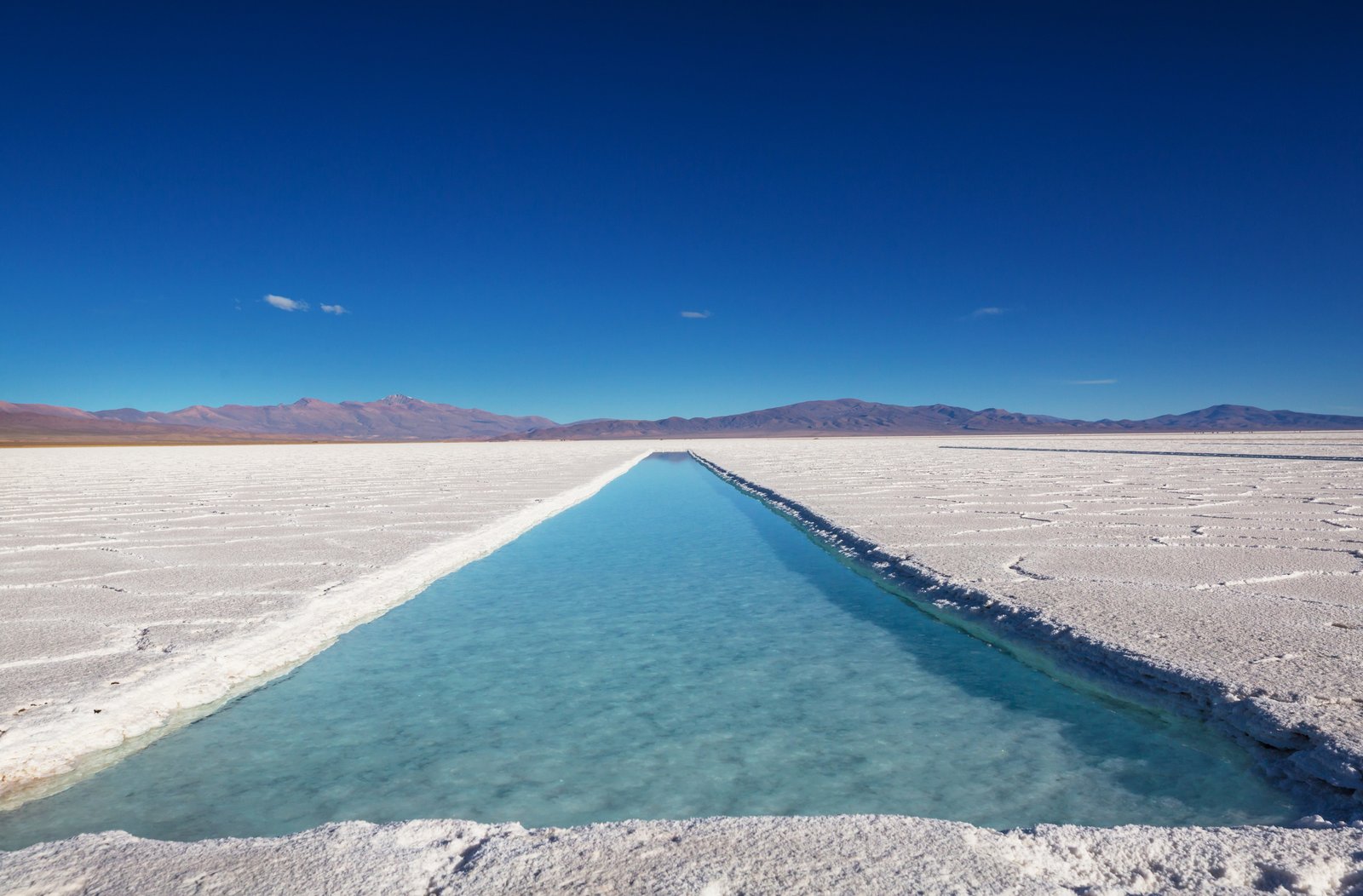
Destinations
Salinas Grandes: How to Get There, Prices & Practical Tips
Everything about Jujuy's Salinas Grandes: routes, costs, best season, tours and tips for the perfect excursion from Purmamarca.
Read more →