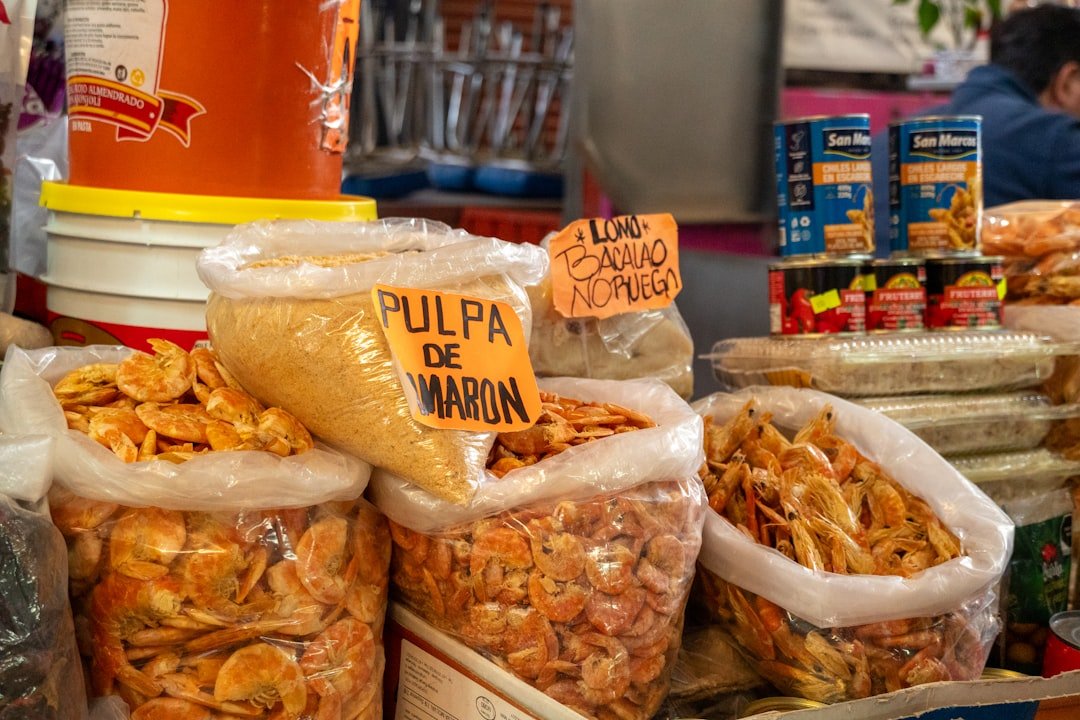
Jujuy's cuisine is one of the oldest and most authentic in Argentina: it combines pre-Columbian Andean ingredients — potato, corn, quinoa, llama — with Spanish colonial techniques and the larder of the subtropical Yungas. Eating well in Jujuy is neither expensive nor complicated, but it does require knowing what to order and where. This guide takes you dish by dish.
Locro: The Emblematic Stew of Northwest Argentina
Locro is the most representative stew of Andean Argentine cuisine. In Jujuy it is prepared with peeled white corn, beans, pork, tripe, chorizo and pancetta, cooked for several hours until it forms a thick, unctuous broth. Some Jujuy versions also incorporate squash and Andean potato.
The result is a hearty, calorie-dense and comforting dish, ideal for the cold temperatures of the Puna and the Quebrada. It is served with a spicy sauce of ground chili, onion and pork fat — the 'grasita colorada' — added to taste on top. A well-made locro takes 4 to 6 hours to prepare and is difficult to find year-round; during peak season (May to August) most restaurants in the Quebrada de Humahuaca offer it as a daily special.
Where to eat it: the municipal markets of Tilcara and Humahuaca serve generous portions at very affordable prices. In San Salvador de Jujuy there are restaurants specializing in regional cuisine [verify current establishments] where locro is the star dish of the winter menu.
The result is a hearty, calorie-dense and comforting dish, ideal for the cold temperatures of the Puna and the Quebrada. It is served with a spicy sauce of ground chili, onion and pork fat — the 'grasita colorada' — added to taste on top. A well-made locro takes 4 to 6 hours to prepare and is difficult to find year-round; during peak season (May to August) most restaurants in the Quebrada de Humahuaca offer it as a daily special.
Where to eat it: the municipal markets of Tilcara and Humahuaca serve generous portions at very affordable prices. In San Salvador de Jujuy there are restaurants specializing in regional cuisine [verify current establishments] where locro is the star dish of the winter menu.
Humitas, Tamales and Andean Empanadas
Humitas are one of the oldest dishes in the Americas: fresh corn (choclo) grated and mixed with cheese, onion and chili, wrapped in corn husks and steamed or boiled. The savory version predominates in Jujuy, although a sweet version with sugar and raisins also exists. When fresh corn is in season (summer, January-February) fresh humitas are superior to any dried corn version.
Jujuy tamales differ from Mexican and Peruvian versions: the dough is made from dried cornmeal (not fresh), filled with pork, potato and onion, also wrapped in corn husks and steamed. They are denser than humitas and arguably even better the next day at room temperature.
Jujuy empanadas have a thicker dough than those from Cuyo or Salta, and the traditional filling combines hand-chopped beef, potato, onion and ground chili. Unlike Córdoba-style empanadas, the Jujuy version does not typically include raisins or olives. They are eaten by hand, without cutlery, dipped in the house sauce. In Purmamarca and Tilcara you will also find more recent but equally tasty versions with llama, Andean vegetables and quinoa.
Jujuy tamales differ from Mexican and Peruvian versions: the dough is made from dried cornmeal (not fresh), filled with pork, potato and onion, also wrapped in corn husks and steamed. They are denser than humitas and arguably even better the next day at room temperature.
Jujuy empanadas have a thicker dough than those from Cuyo or Salta, and the traditional filling combines hand-chopped beef, potato, onion and ground chili. Unlike Córdoba-style empanadas, the Jujuy version does not typically include raisins or olives. They are eaten by hand, without cutlery, dipped in the house sauce. In Purmamarca and Tilcara you will also find more recent but equally tasty versions with llama, Andean vegetables and quinoa.
Llama: High-Altitude Meat with Its Own Identity
The llama is the most emblematic domestic animal of the Andes and its meat holds a central place in Jujuy cuisine. Unlike beef, llama is lean (very little fat), has a firm texture and an intense but not gamey flavor. It is more nutritious than beef in terms of protein per gram and has lower cholesterol.
The most common preparations in Quebrada restaurants are: grilled llama (thin fillets, quick sear, with Andean chimichurri of parsley and chili), llama stew with Andean potatoes, and llama empanadas. In some restaurants in Tilcara and Humahuaca you will also find slow-cooked llama casseroles with deep, rich flavors.
Shopping tip: charqui de llama — dried and salted llama jerky — is the Puna's quintessential snack and an ideal edible souvenir. It keeps for weeks without refrigeration and is available in any market in the region. Quality charqui is dark brown, flexible (not brittle) and smells of concentrated meat, not rancid fat.
The most common preparations in Quebrada restaurants are: grilled llama (thin fillets, quick sear, with Andean chimichurri of parsley and chili), llama stew with Andean potatoes, and llama empanadas. In some restaurants in Tilcara and Humahuaca you will also find slow-cooked llama casseroles with deep, rich flavors.
Shopping tip: charqui de llama — dried and salted llama jerky — is the Puna's quintessential snack and an ideal edible souvenir. It keeps for weeks without refrigeration and is available in any market in the region. Quality charqui is dark brown, flexible (not brittle) and smells of concentrated meat, not rancid fat.
Chicha, Api and Traditional Drinks
Chicha is the quintessential ceremonial Andean drink: a fermented corn (choclo) beverage with a long pre-Columbian tradition. The traditional version — where fermentation was initiated by chewing the corn dough — is no longer common in commercial contexts, but artisanal chicha fermented with natural yeasts is still made in Puna communities and at some festivals. It is mildly alcoholic, sour in flavor and slightly effervescent.
Api is a hot drink made from purple corn (also known as blue corn) with cinnamon and cloves. It is thick, warming and non-alcoholic. It is found in markets and food stalls in Humahuaca and Tilcara, typically early in the morning. On cold Puna mornings, a hot api is the most authentic breakfast you can have.
Coca leaf tea is not a traditional drink in the gastronomic sense but it is the infusion you will encounter most frequently in homes and market stalls throughout the region. Fresh coca leaves brewed in hot water have a mild, herby flavor similar to green tea. Ask for it at any market or cafe in the Quebrada.
Api is a hot drink made from purple corn (also known as blue corn) with cinnamon and cloves. It is thick, warming and non-alcoholic. It is found in markets and food stalls in Humahuaca and Tilcara, typically early in the morning. On cold Puna mornings, a hot api is the most authentic breakfast you can have.
Coca leaf tea is not a traditional drink in the gastronomic sense but it is the infusion you will encounter most frequently in homes and market stalls throughout the region. Fresh coca leaves brewed in hot water have a mild, herby flavor similar to green tea. Ask for it at any market or cafe in the Quebrada.
Quinoa and Puna Andean Products
Quinoa (Chenopodium quinoa) is a pseudocereal that has been cultivated on the Jujuy Puna for over 5,000 years, at altitudes between 3,000 and 4,000 meters where no other grain can grow. Jujuy quinoa — primarily colored varieties, red, black and white — has an exceptional nutritional profile and a more intense flavor than the mass-export Bolivian quinoa found in supermarkets.
In the markets of the Quebrada de Humahuaca and San Salvador de Jujuy you will find loose quinoa, quinoa flour, quinoa energy bars and preserves. Locally produced quinoa grain is typically considerably fresher and more flavorful than what you find in Buenos Aires supermarkets.
Other Andean products worth trying and taking home: colored Andean potatoes (imilla negra, papa lisa or ulluco, yellow potato), oca (another Andean tuber with a slightly sweet flavor), colored corn for choclo and popcorn, and local spices such as Jujuy ground chili, which differs from lowland varieties in color, aroma and heat level.
In the markets of the Quebrada de Humahuaca and San Salvador de Jujuy you will find loose quinoa, quinoa flour, quinoa energy bars and preserves. Locally produced quinoa grain is typically considerably fresher and more flavorful than what you find in Buenos Aires supermarkets.
Other Andean products worth trying and taking home: colored Andean potatoes (imilla negra, papa lisa or ulluco, yellow potato), oca (another Andean tuber with a slightly sweet flavor), colored corn for choclo and popcorn, and local spices such as Jujuy ground chili, which differs from lowland varieties in color, aroma and heat level.
Where to Eat Well in Jujuy: City by City
In San Salvador de Jujuy the largest concentration of regional cuisine restaurants is in the historic center, between Plaza Belgrano and the Balcarce and Alvear streets. You will also find more modern contemporary Andean cuisine — fusion of local ingredients with current techniques — that has gained ground in recent years. Prices are generally lower than in the Quebrada for equivalent quality [verify current prices].
In Purmamarca the restaurant offer is tourist-oriented but of good quality: several establishments around the square offer regional cuisine at reasonable prices. The craft market stalls have the most affordable food options.
In Tilcara there is the greatest diversity of options relative to the town's size: from market stalls (the most affordable) to restaurants with wine lists from Cafayate and Molinos. It is the best town for eating well at a consistent level over several days.
In Humahuaca the municipal market offers the most affordable and authentic regional cuisine in the entire Quebrada. The historic center restaurants are less sophisticated than Tilcara's but more genuine in their culinary approach.
In Purmamarca the restaurant offer is tourist-oriented but of good quality: several establishments around the square offer regional cuisine at reasonable prices. The craft market stalls have the most affordable food options.
In Tilcara there is the greatest diversity of options relative to the town's size: from market stalls (the most affordable) to restaurants with wine lists from Cafayate and Molinos. It is the best town for eating well at a consistent level over several days.
In Humahuaca the municipal market offers the most affordable and authentic regional cuisine in the entire Quebrada. The historic center restaurants are less sophisticated than Tilcara's but more genuine in their culinary approach.
Frequently Asked Questions
Ready to travel?
Compare hotels, car rentals and tours in Jujuy.
Related Articles
Transport
Car Rental in Jujuy: Price Comparison & Best Companies 2026
Compare car rental prices in Jujuy. Companies, rates, insurance and tips for driving the Quebrada and Salinas.
Read more →
Destinations
San Salvador de Jujuy: What to See in the Capital — Historic Center, Museums and Food
Guide to San Salvador de Jujuy: colonial cathedral, historic Cabildo, Mercado del Norte, Reyes neighborhood, museums and how to use it as a base for exploring the province.
Read more →