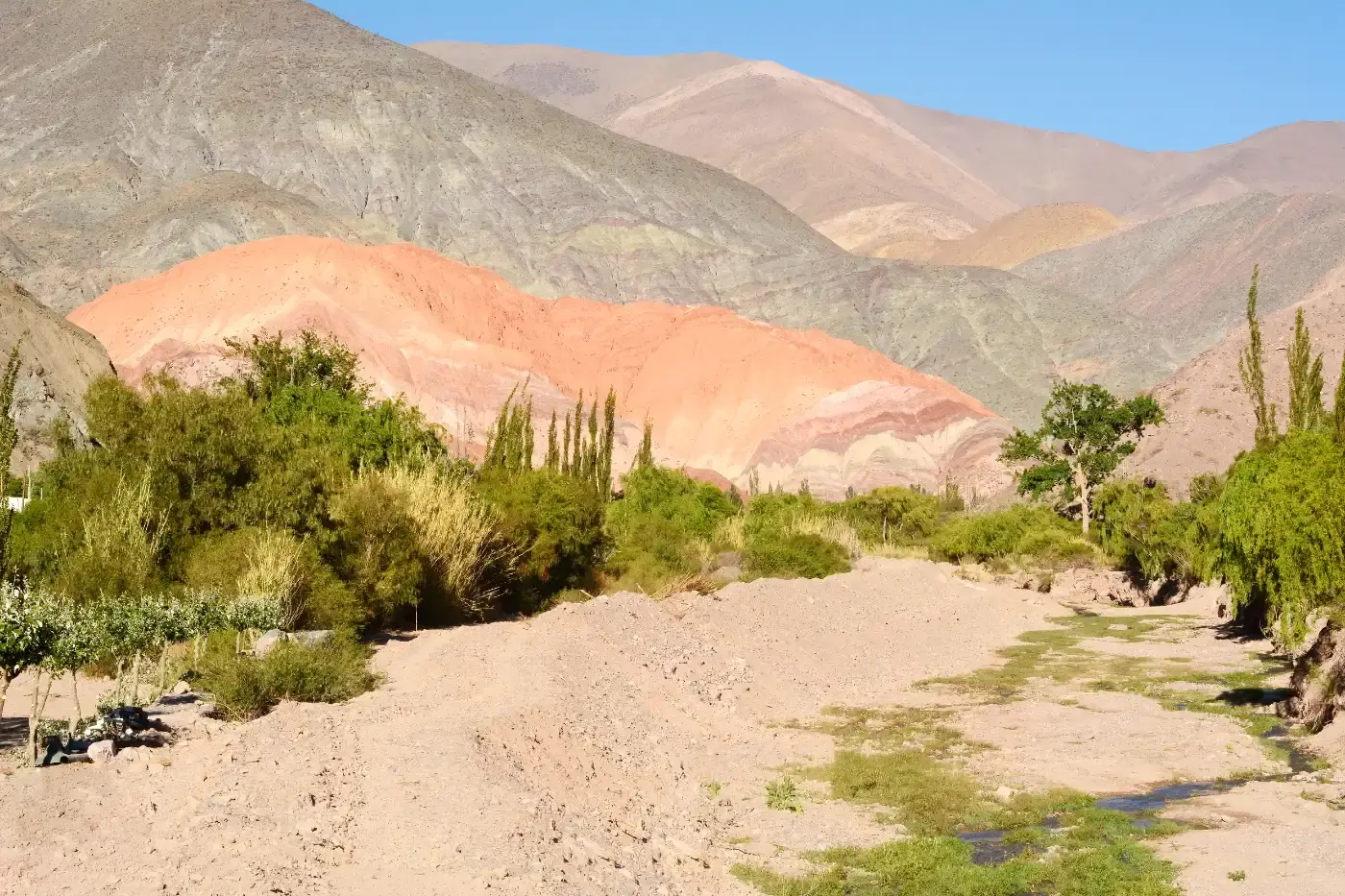
Jujuy Carnival 2027 takes place from Saturday 6 to Sunday 14 February in the Quebrada de Humahuaca. It opens with the unearthing of the devil (desentierro) on Saturday 6, peaks on Monday 8 and Tuesday 9 (Argentina's Carnival public holidays) and ends with the burial (entierro) on Sunday 14, known as Domingo de Tentación. The dates depend on Easter, which falls on 28 March in 2027: Carnival Tuesday is always 47 days earlier.
Jujuy's own Ministry of Culture and Tourism calls it the province's biggest festival. It blends the Catholic pre-Lent carnival with Andean worship of the Pachamama (Mother Earth) and the start of the corn harvest. For nine days, troupes called comparsas come down from the hills dressed as devils, people pelt each other with flour, talc and streamers, and the streets smell of basil. Here is the calendar, what happens each day, the best villages to go to and how to prepare.
Jujuy Carnival 2027 dates
Each comparsa and each village sets its own schedule, which is usually published only a few days before. These are the general dates for 2027:
- Thursday 28 January: Jueves de Compadres (men's Thursday).
- Thursday 4 February: Jueves de Comadres (women's Thursday).
- Saturday 6 February: desentierro, the unearthing of Carnival, in most Quebrada villages.
- Sunday 7 February: Carnival Sunday; some comparsas hold their unearthing on this day.
- Monday 8 and Tuesday 9 February: national Carnival public holidays.
- Wednesday 10 February: Ash Wednesday, start of Lent.
- Sunday 14 February: Domingo de Tentación and the burial (entierro) of Carnival.
How the dates work: Easter Sunday 2027 is 28 March, Carnival Tuesday falls 47 days earlier (9 February) and Carnival Monday 48 days earlier (8 February), as set by Argentina's public holiday law. In some towns the party stretches into the following weekend with the Carnaval Chico, and certain comparsas add a Carnaval de Flores and a final Remache, according to the provincial ministry.
The build-up: compadres, comadres and the ablande
Carnival starts warming up weeks earlier, in what locals call the ablande (the softening up). The Thursdays before have names of their own. On Jueves de Compadres the men get together over food, drinks and music. Jueves de Comadres, the last Thursday before the unearthing, belongs to the women: they take to the streets with their cajas, a small Andean leather drum, singing coplas, short sung verses where one woman leads and the rest repeat.
If you arrive a few days before Saturday 6, you can catch the comadres' coplas in the squares and streets of Tilcara, Humahuaca or the capital. It is a great way to get into the spirit before the long-weekend crowds arrive.
The desentierro: when the devil comes out of the ground
On Carnival Saturday each comparsa walks up to its mojón, a pile of stones at the foot of a hill or by the river where the devil was buried the year before. In Humahuaca the day usually starts with a morning Mass for the comparsas. In the afternoon, at the mojón, the Pachamama is fed and given drink: chicha (corn beer), beer, coca leaves and cigarettes go into a hole that represents the mouth of Mother Earth.
Then the Pujllay or Coludo, a doll that embodies Carnival, is dug up and firecrackers go off. The devils, masked and wearing bright costumes, run and dance down into town behind the comparsa's flag, to carnavalito music played on bass drums, cajas, erkenchos and anatas (traditional Andean horns and flutes) and brass bands.
In Uquía and Maimará the so-called Bajada de los Diablos (descent of the devils) takes place at the foot of the hills next to Route 9, and you can watch from below. In Humahuaca the unearthing ends with the Topamiento de los Cholos, one of the busiest gatherings of the local Carnival.
Devils, basil, flour, streamers and talc: the symbols
The Carnival devil is not the devil of the Church. According to the provincial ministry, he is a figure who invites fun and allows liberties that are off limits the rest of the year. He reached the region in the early 20th century from the Oruro area in Bolivia; before that, Carnival was celebrated by singing coplas and dancing.
- Basil (albahaca): a sprig is worn behind the ear or in a hat. It is the signature scent of Carnival in the Quebrada.
- Flour and talc: thrown at the face and hair of anyone passing by, tourists included.
- Streamers (serpentina): draped over people, comparsas and the offerings at the mojón.
- Spray foam or artificial snow: joins the talc in the street battles.
- Chicha: fermented corn drink offered to the Pachamama and shared in homes.
During the week, comparsas tour the village answering invitations: homes, shops and venues that welcome them with food and drink. At night the party moves to the fortines (gathering spots where comparsas meet) and dance halls, with live music until dawn. Rural traditions complete the calendar, such as the señalada, when livestock is marked on Monday, and Tuesday's chaya, when the house, the car or the year's purchases are blessed with streamers, talc and chicha.
Where to celebrate Carnival in the Quebrada de Humahuaca
The whole Quebrada de Humahuaca celebrates, but each village has its own style:
- Humahuaca: the best-known Carnival with the most comparsas, such as Juventud Alegre, Rosas y Claveles, Los Picaflores and La Unión. The historic center fills with devils. More on our Humahuaca page.
- Tilcara: lots of comparsas and fortines, a young crowd and many visitors. Several comparsas unearth on Saturday afternoon and bury on the night of Domingo de Tentación. Everything about the town on our Tilcara page.
- Maimará: the descent of the devils against the colored hills is one of the most beautiful sights of Carnival.
- Uquía: a small village with its devils' descent at the foot of Cerro Blanco and a more family-friendly feel.
- Purmamarca: several groups hold their unearthing between Friday and Monday, with a calmer Carnival than Tilcara or Humahuaca.
There is also Carnival outside the Quebrada. San Salvador de Jujuy and the valleys hold street parades (corsos) and the traditional Carnaval carpero, with dancing in huge tents. On the Puna it is more of a family affair, with fewer devils. In the Yungas, Guaraní communities celebrate Arete Guasu, and the town of San Pedro hosts one of the largest corsos in northern Argentina.
The burial and Domingo de Tentación
Eight days after the unearthing, on Sunday 14 February 2027, comes Domingo de Tentación (Temptation Sunday). The comparsas tour the village one last time, collect offerings and, as the sun goes down, return to the mojón. The devils put on an exaggerated show of grief, weeping and wailing because their time is up.
Coca, cigarettes, chicha, streamers and everything collected go into the hole, and the Pujllay is buried until the following year; some comparsas burn it instead. Amid prayers, people ask for a good year and promise to return next Carnival. A few groups that follow church tradition closely bury on Ash Wednesday, but most carry on until Sunday.
Carnival tips: clothes, alcohol, safety and respect
- Book months ahead: this is one of the busiest weeks of the year in the Quebrada.
- Dress to get messy: old clothes, a hat and sunglasses, which also keep talc and foam out of your eyes.
- Protect your phone and camera with a waterproof pouch; flour gets everywhere.
- Pack a warm layer and a rain jacket: February is storm season and evenings at altitude are cool. See our month-by-month Jujuy weather guide.
- Pace your drinking: alcohol hits harder at altitude and makes altitude sickness worse. If you have just arrived, read our Jujuy altitude guide and drink plenty of water.
- Never drink and drive: Argentina enforces a zero blood-alcohol limit on national highways, and Jujuy applies it on provincial roads too.
- Watch your belongings in the crowds and agree on a meeting point with your group.
Respect comes first. The unearthing and the burial are ceremonies with deep meaning for local communities. Watch without interrupting, do not step into the mojón unless invited, ask before taking close-up photos of people, and do not throw anything at someone who does not want to join in. If a comparsa invites you to dance or offers you chicha, saying yes is part of the fun, but a friendly no is understood too.
Where to stay during Carnival
Demand concentrates in Tilcara, Humahuaca and Purmamarca, and prices rise all week. Ideally, book several months ahead with free cancellation, in case rain closes the roads.
- To be at the heart of the party: stay in Humahuaca or Tilcara. See our guides on where to stay in Tilcara and where to stay in Humahuaca.
- To sleep in peace: choose Maimará, Purmamarca or a cabin on the outskirts, and get around by car or local bus.
- If everything is full: the capital has more options, and frequent buses run from its terminal to the Quebrada.
Check availability for your dates on our hotels page. If you are driving, plan where to park: during the festival, village centers are best explored on foot.
Frequently Asked Questions
Ready to travel?
Compare hotels, car rentals and tours in Jujuy.
Related Articles
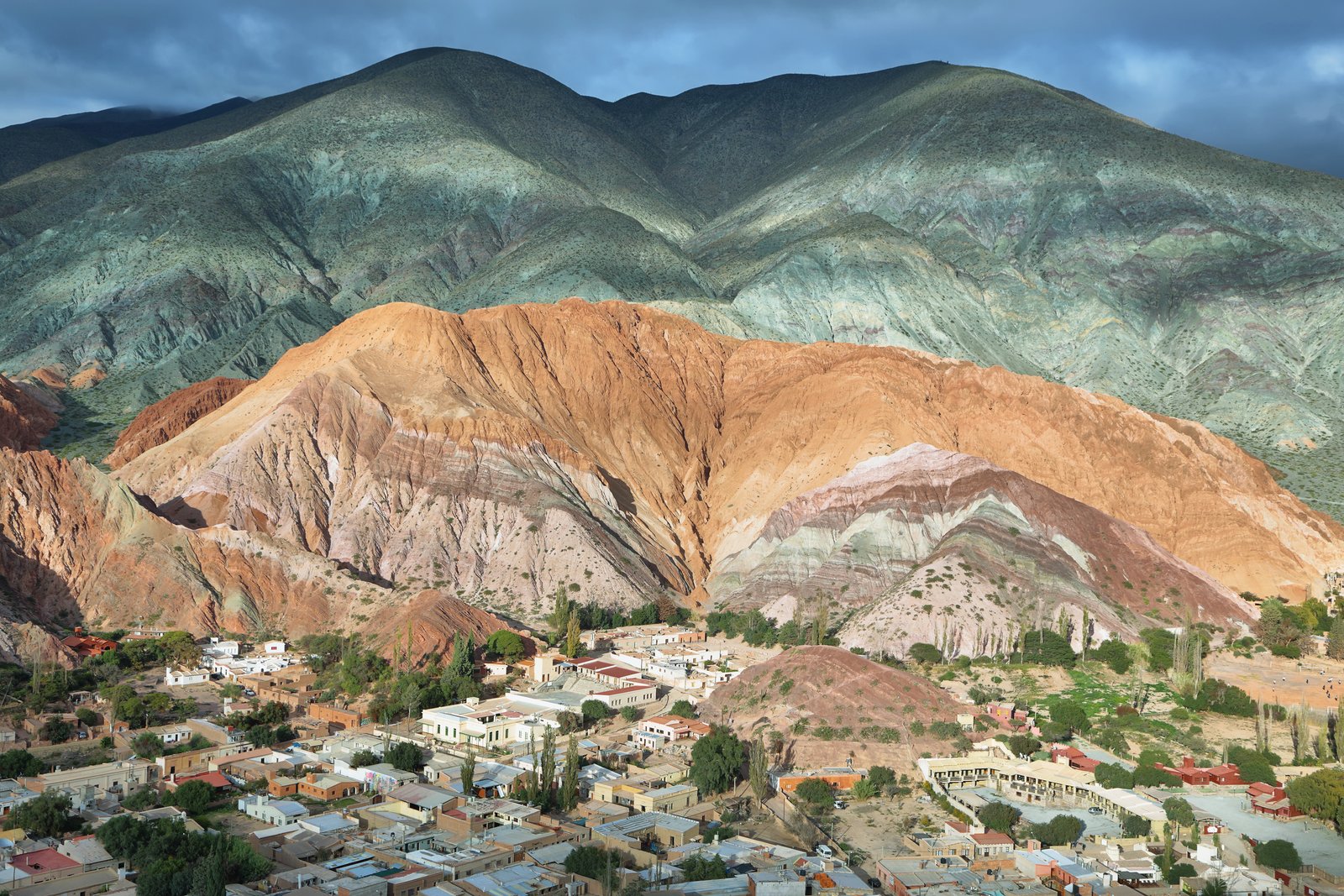
Quebrada de Humahuaca: Complete 2026 Guide — What to See, How to Get There & Where to Stay
Updated guide to the Quebrada de Humahuaca. UNESCO Heritage, towns, routes, accommodation and practical tips for your Jujuy trip.
Read more →
Salta & Jujuy in 5 Days: Complete Day-by-Day Itinerary
Optimized itinerary for touring Salta and Jujuy in 5 days. Routes, accommodation, transport and updated 2026 budget.
Read more →High-Altitude Wines of Jujuy: Quebrada de Humahuaca Wineries and the Secrets of Andean Malbec
Jujuy's high-altitude wines come from vineyards above 2,600 meters in the Quebrada de Humahuaca. Complete guide: wineries, altitudes, grape varieties, visits and where to buy.
Read more →