Argentina is the world's fifth largest wine producer, and almost all of that production is associated with Mendoza or Cafayate. But in the [Quebrada de Humahuaca](/en/destinations/quebrada-de-humahuaca/), at altitudes no other Argentine wine region reaches, a handful of wineries are producing wines that are changing the way the world understands Malbec. Jujuy's vineyards are not a curiosity: they are the limit of what the grapevine can do. This guide explains what makes them unique, where they are and how to visit them.
What Is High-Altitude Wine and Why Does Jujuy Define It?
The three variables that define the character of these wines are thermal amplitude, ultraviolet radiation and water scarcity. Thermal amplitude in the Quebrada can exceed 25°C between day and night during the ripening season (January-March): warm days allow the synthesis of sugars and aromas, while cold nights slow the grape's metabolism and preserve acidity. The result is a grape that reaches harvest with high sugar concentration, firm acidity and intense aromas. UV radiation at those altitudes — where the atmosphere is thinner and filters less — stimulates the production of anthocyanins and polyphenols in the grape skin: the compounds responsible for the intense color, ripe tannins and aromatic complexity that characterize Jujuy's wines.
Jujuy's 26 Wine Producers: Geography and Distribution
The distinction between these two zones is fundamental for understanding Jujuy's viticultural diversity. The eastern valleys produce wines with fuller body, softer tannins and more uniform ripeness — closer to the classic Mendoza Malbec profile. The Quebrada vineyards, by contrast, produce wines with more pronounced acidity, more intense color, lower alcohol content and an aromatic complexity that includes mineral and spiced notes that are the signature of the Andean terroir.
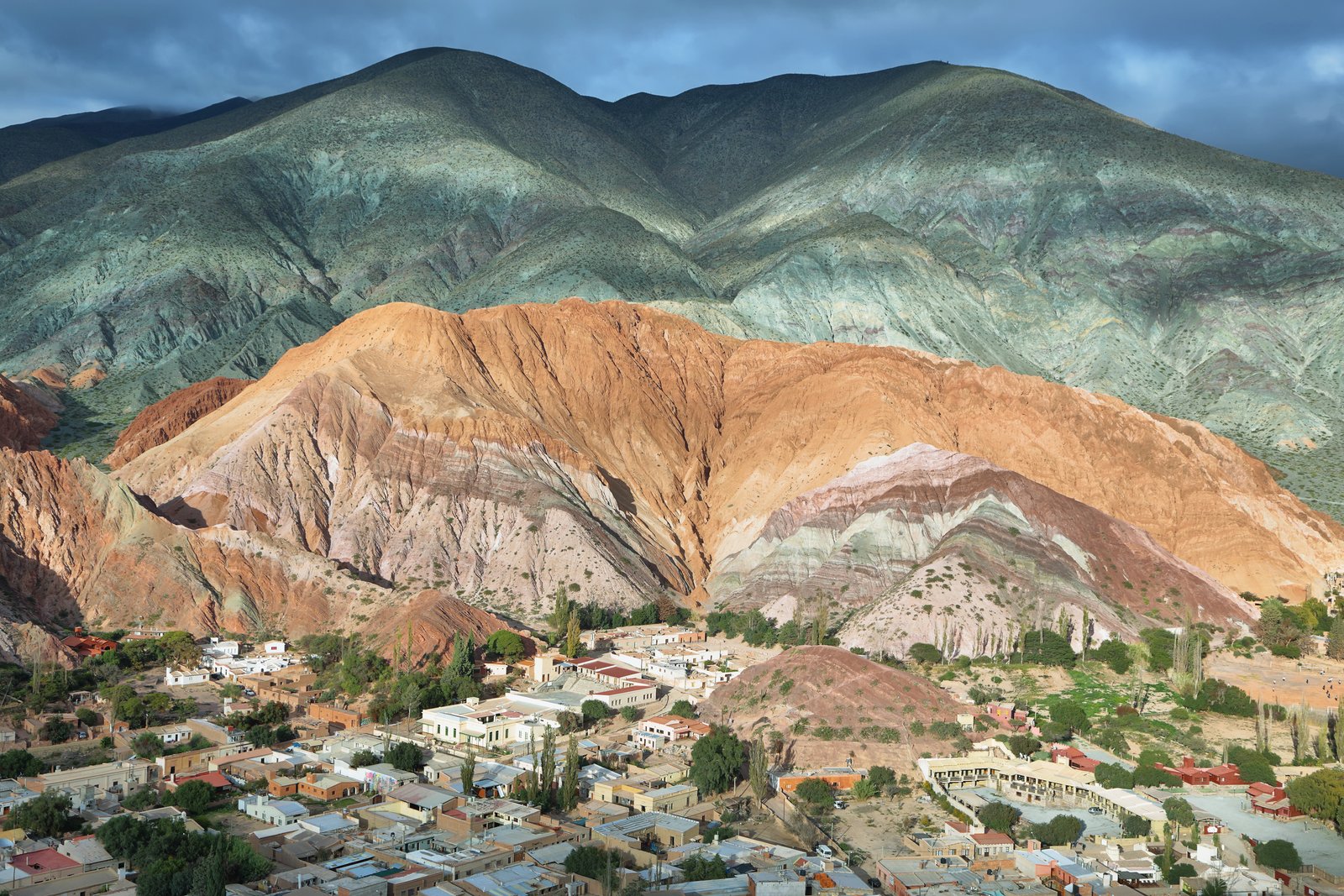
The Quebrada localities where production is concentrated are Uquía, Huacalera [REVISAR], Tilcara [REVISAR] and Maimará — the same villages that form the scenic core of the UNESCO World Heritage site. The coexistence of vineyards and historic villages is part of the unique appeal of this wine region.
The Highest Vineyards: Uquía and the Extreme Altitudes
At those altitudes the mean annual temperature around Uquía is approximately 12-14°C [REVISAR], with winter minimums reaching -10°C and summer maximums rarely exceeding 25°C. Late spring frosts are the main risk for the vineyard: they can destroy an entire harvest overnight. The vines that survive those extreme conditions produce small, loose clusters with thick-skinned berries and high concentration of phenolic compounds — the signature of the Uquía style.
The Quebrada's soil is predominantly sandy-loam over calcareous bedrock, with good drainage and a high presence of Andean minerals. Those characteristics express themselves in the wines as a saline minerality and a characteristic tannic tension that distinguishes them from any other Argentine Malbec.
Varieties and Styles: The Malbec Nobody Expected
Alongside Malbec, the most present varieties in the Quebrada are:
• Tannat: a Basque grape with powerful tannins that at altitude produces wines of great structure and aging potential.
• Syrah: aromatic and spiced, adapts well to extreme altitude conditions.
• Torrontés Riojano: the emblematic white grape of northwest Argentina, which in Jujuy produces more taut and less perfumed versions than in Cafayate, with higher acidity and lower alcohol.
• Cabernet Sauvignon and Cabernet Franc: present in smaller quantities [REVISAR which wineries work with these varieties in the Quebrada].
Harvest in the Quebrada takes place between February and April [REVISAR exact dates by vineyard altitude], later than in Mendoza, because ripening is slower due to lower temperatures.
Representative Wineries of the Quebrada de Humahuaca
Among the best-known wineries in the region, those most frequently mentioned are:
• Fernando Dupont [REVISAR: confirm the exact name of the owner or winery, its location, whether it is still in operation and whether it receives visits in 2026]
• Amanecer Andino [REVISAR: confirm name and ownership of this enterprise, its exact location in the Quebrada and visit conditions]
• Viñas de Uquía [REVISAR: confirm whether this is the correct name of the enterprise or a generic reference to the Uquía locality; confirm owner and visit access]
Beyond specific names, what defines the Quebrada's wine scene is its human scale: these are producers managing between [REVISAR: typically 1 to 10 hectares] and producing between [REVISAR: bottling figures per harvest] bottles annually. That scarcity is part of the product's exclusivity and also of its rarity in wine shops outside Jujuy.
For travelers visiting specifically in search of Quebrada wines, the practical recommendation is to contact producers by phone or social media at least 48-72 hours in advance: most do not have a winery shop open to the public during regular hours.
How to Visit the Wineries and Buy the Wines
The main axis of the Quebrada wineries runs between Maimará in the south and Uquía in the north — about 55 km of road along National Route 9. By car this stretch takes less than an hour; Balut buses stop at all intermediate villages. See the car rental guide for Jujuy for mobility options.
The most interesting time of year for a wine-focused visit is the harvest (February-April [REVISAR]), when the wineries are in full swing and some producers open their vineyards for visitors to participate in picking. In July — the Quebrada's peak tourist month — many wineries offer tastings even though the vineyard is in winter dormancy.
To buy Jujuy high-altitude wines outside the province, distribution is still limited: some producers sell online with delivery to Buenos Aires and other cities [REVISAR: confirm which wineries have an active online shop in 2026], and a small selection appears in specialist wine shops in Buenos Aires and Salta. The price per bottle of Jujuy high-altitude Malbec is approximately [REVISAR: ARS X,XXX-X,XXX in 2026]. The recommendation is to buy directly from the winery when visiting the Quebrada: the prices are better and the experience unforgettable.
Quebrada wines pair naturally with regional cuisine: high-altitude Malbec with grilled or braised llama, Tannat with locro stew, and Torrontés with vegetable empanadas or goat cheese. See the Jujuy gastronomy guide for the best pairings.
Frequently Asked Questions
Ready to travel?
Compare hotels, car rentals and tours in Jujuy.
Related Articles
Quebrada de Humahuaca: Complete 2026 Guide — What to See, How to Get There & Where to Stay
Updated guide to the Quebrada de Humahuaca. UNESCO Heritage, towns, routes, accommodation and practical tips for your Jujuy trip.
Read more →
Salta & Jujuy in 5 Days: Complete Day-by-Day Itinerary
Optimized itinerary for touring Salta and Jujuy in 5 days. Routes, accommodation, transport and updated 2026 budget.
Read more →