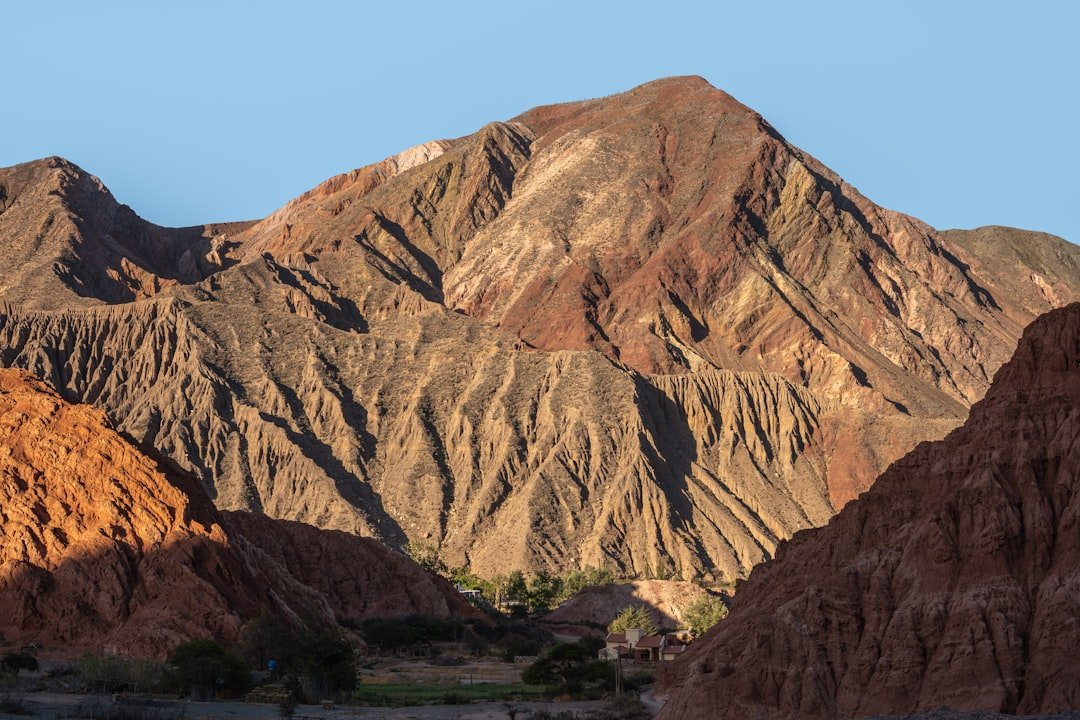
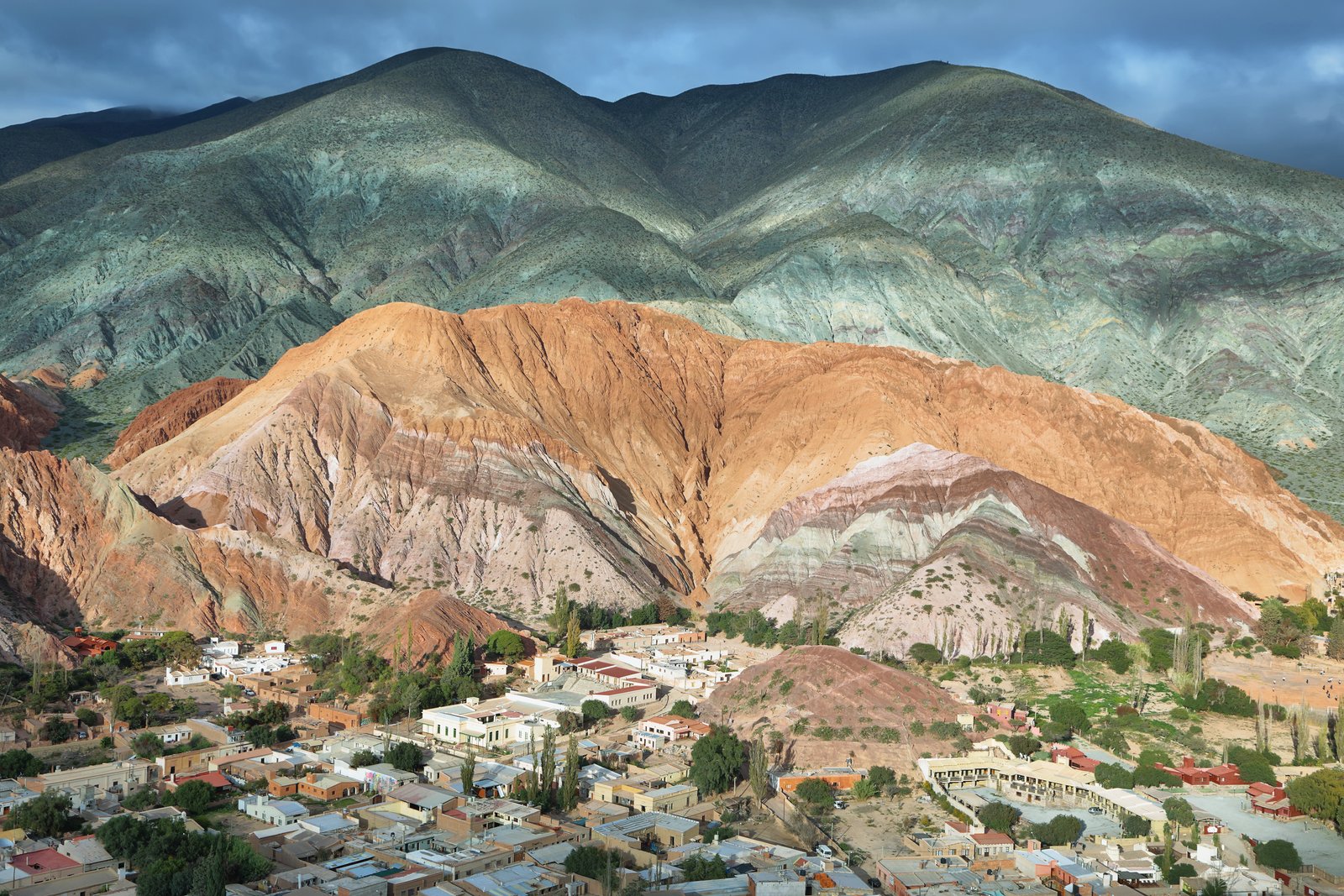
Purmamarca has 700 inhabitants, an earthen plaza and a hill that accumulates millions of years of geological history in seven layers of color. The Hill of Seven Colors is the most reproduced image of the Quebrada de Humahuaca and one of the most photographed landscapes in Argentina. But the village has much more than the hill: a top-tier craft market, boutique guesthouses among the best in northwest Argentina, and the gateway road to the Salinas Grandes. This guide covers it all.
The Hill of Seven Colors: Geology in Seven Acts
Intense red and violet comes from sandstone rich in iron oxides. White and cream are calcareous — marine limestone deposited when the area was under the sea more than 200 million years ago. Green comes from copper-rich and chlorite minerals. Yellow and orange are iron oxides in different stages of oxidation. Pink and mauve correspond to more recent calcareous marls. The color variety is exceptional even by the standards of the Quebrada de Humahuaca, where multicolored hills are the norm.
The best light for photographing the hill is during the first hours of the morning (7-9 AM) and at sunset (one hour before sundown). Direct midday light flattens the colors and creates harsh shadows. If you arrive at midday, use that time for the market and the Paseo de los Colorados walk, and save hill photography for dawn or late afternoon.
The Paseo de los Colorados: Walking Around the Hill
The trail departs from the northern end of Purmamarca's main square, passes through the rear sector of the hill where the colors are most intense and least crowded by tour groups, and returns via the southern side. The back section of the hill has rock formations and secondary ravines that are completely empty of visitors early in the morning — these are the best photographic compositions in the village.
Entry to the Paseo has a fee [verify current price]. In July and Easter Week the trail can be busy; arrive before 8 AM to have the best sections to yourself. Purmamarca's altitude (2,192 m) is manageable for most travelers, but if you are coming directly from low-altitude areas, read the guide on altitude sickness in Jujuy first.
The Square and the Craft Market
The craft market surrounding the square is the most visited in the Quebrada de Humahuaca in terms of tourist footfall, but it does not lose quality for that. The offer includes llama and alpaca wool textiles, silver jewelry with NOA turquoise and quartz, ceramics, multicolor limestone figurines and leather goods. Prices are higher than in Humahuaca or Tilcara, but the concentration of quality pieces is greater.
The trick: stalls on the outer perimeter of the square (furthest from the church) tend to have more authentic artisans and lower prices than the central stalls that tour bus groups reach first. Come on a weekday if possible — weekends and July see the market at its most saturated.
The Route to the Salinas Grandes: Purmamarca as Base
The ideal excursion: leave Purmamarca at 8 AM, arrive at the salt flat between 9:30 and 10 AM (with good morning light), spend 2-3 hours at the salar and return to Purmamarca by midday or early afternoon. The return drive with low afternoon light hitting the Purmamarca hill as you re-enter the village is one of those travel moments that stay with you.
If you do not have a car, Purmamarca tour operators offer full-day excursions to the Salinas with transport, a stop at the Lipán pass and a local guide [verify operators and current prices in 2026]. For renting a car from San Salvador, see the car rental guide for Jujuy.
Best Time to Visit Purmamarca
March and April offer an excellent alternative: skies are clear, the hills have the green of grasses that grew with summer rains, and the light is warmer. Tourist numbers are noticeably lower than in July. The rainy season proper (December-February) can bring afternoon thunderstorms, but mornings are typically clear and the green Andean vegetation contrasting with the multicolored hills creates a different and beautiful landscape.
September and October are the quietest months and the ones with the greatest diversity of migratory birds in the region — interesting for wildlife photography enthusiasts.
Where to Sleep and Where to Eat in Purmamarca
For budget travelers there are simpler guesthouses and some hostels on the streets surrounding the square at more accessible prices [verify availability and prices in 2026].
For eating: several restaurants around the square serve regional cuisine with quality ingredients — locro in winter, llama empanadas, fresh humitas in summer. Market stalls are the most affordable lunch option. Note: in peak season the popular restaurants fill within minutes at midday; arrive before 12:30 or after 14:00 to avoid waiting.
Frequently Asked Questions
Ready to travel?
Compare hotels, car rentals and tours in Jujuy.
Related Articles
Quebrada de Humahuaca: Complete 2026 Guide — What to See, How to Get There & Where to Stay
Updated guide to the Quebrada de Humahuaca. UNESCO Heritage, towns, routes, accommodation and practical tips for your Jujuy trip.
Read more →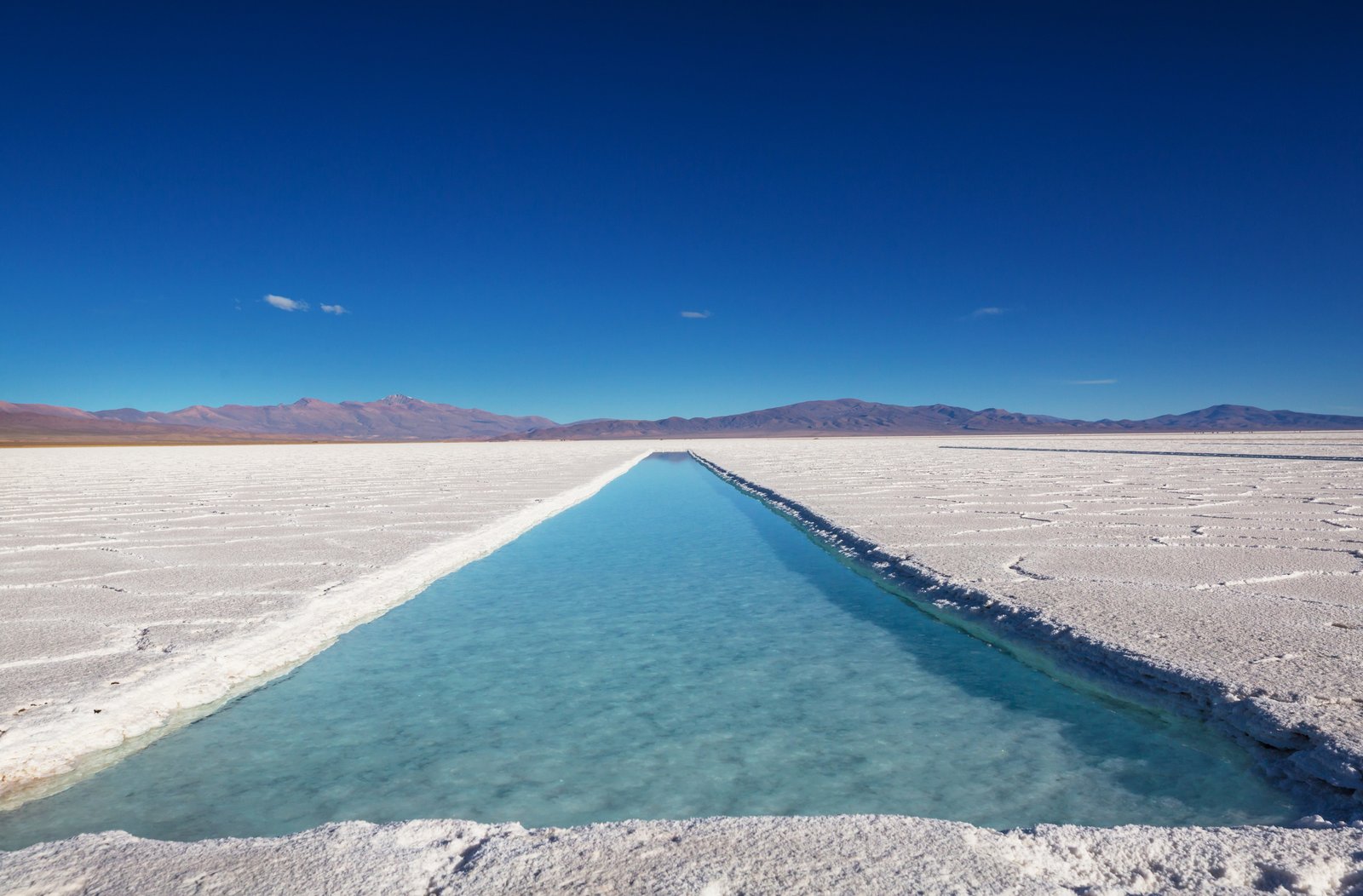
Salinas Grandes: How to Get There, Prices & Practical Tips
Everything about Jujuy's Salinas Grandes: routes, costs, best season, tours and tips for the perfect excursion from Purmamarca.
Read more →