At 2,461 meters above sea level with the Río Grande canyon at its feet, Tilcara is the most active and diverse town in the Quebrada de Humahuaca. It has the only regional archaeological museum with original pieces displayed in situ, the most visited pre-Inca fortress in northwest Argentina and a cultural scene that attracts artists from across the country. This guide covers everything you can see and do, whether you have a day or a full week.
The Pucará de Tilcara: The Pre-Inca Fortress
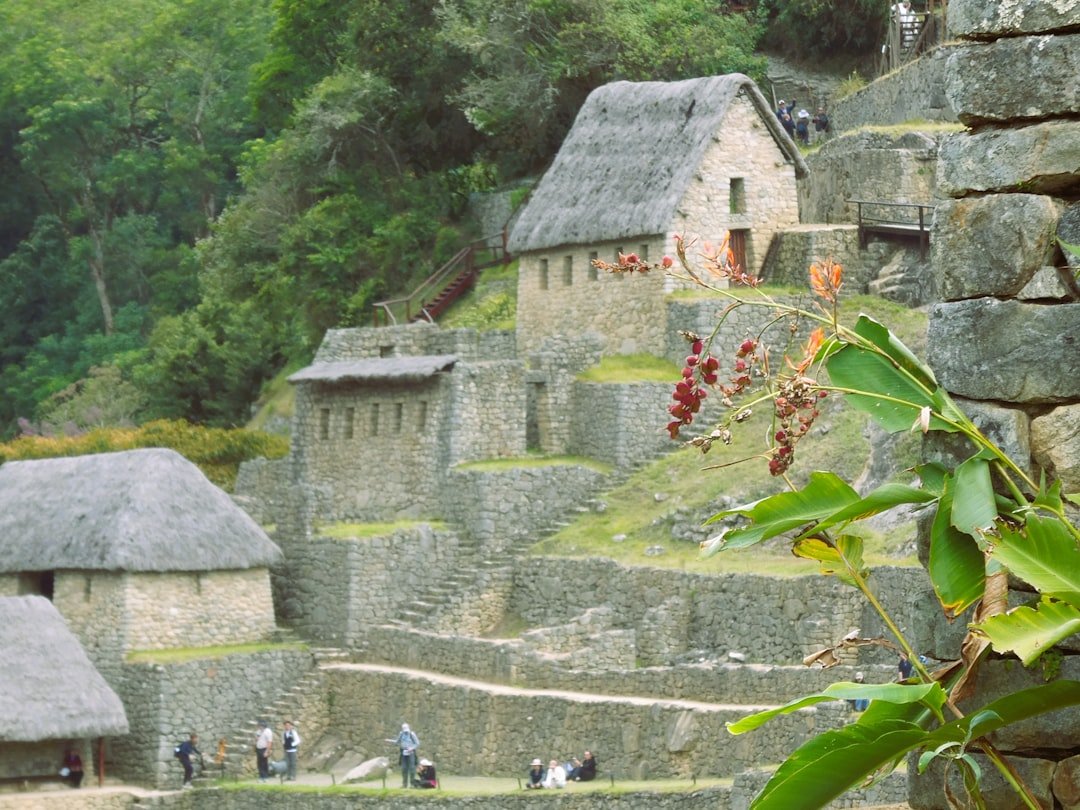
One kilometer from the town center, on a hill overlooking the confluence of the Río Grande and the Río Huasamayo, the Pucará de Tilcara is the largest preserved pre-colonial fortress in the Quebrada de Humahuaca. It was inhabited between the 10th and 15th centuries by the Tilcara (Omaguaca) culture and partially incorporated by the Tawantinsuyu (Inca Empire) before Spanish arrival.
The site covers more than 8 hectares of residential, ceremonial and defensive structures that were partially reconstructed during the 20th century. The reconstruction was archaeologically controversial — modern materials and period criteria were used — but it gives a useful sense of the original settlement's scale.
Entry costs [verify current price at the ticket office] and may be bundled with the Archaeological Museum ticket. A self-guided visit takes 1.5 to 2 hours. The marked trail climbs the hillside; the summit offers panoramic views of the valley and the surrounding multicolored hills. Arrive before 10 AM to avoid the midday heat and the largest tour group concentrations. In July the site can receive several hundred visitors per day.
The site covers more than 8 hectares of residential, ceremonial and defensive structures that were partially reconstructed during the 20th century. The reconstruction was archaeologically controversial — modern materials and period criteria were used — but it gives a useful sense of the original settlement's scale.
Entry costs [verify current price at the ticket office] and may be bundled with the Archaeological Museum ticket. A self-guided visit takes 1.5 to 2 hours. The marked trail climbs the hillside; the summit offers panoramic views of the valley and the surrounding multicolored hills. Arrive before 10 AM to avoid the midday heat and the largest tour group concentrations. In July the site can receive several hundred visitors per day.
The Altitude Botanical Garden
Adjacent to the Pucará, the National Ministry of Education's Altitude Botanical Garden is one of Argentina's least-known yet most striking botanical collections. It occupies a hillside and displays over 2,000 species of cacti, puya, queñoa, quinoa and other plants characteristic of the Andean flora of northwest Argentina, organized into thematic geographic sections.
Entry is paid along with the Pucará ticket [verify whether the combined ticket is still valid in 2026]. The trail is suitable for families and takes approximately 45 minutes. In spring (September-November) many species bloom and the garden is at its most visually striking. In winter the vegetation is more austere but the contrast with the ochre earth and surrounding hills is equally photogenic.
Few travelers combine the Pucará with the Botanical Garden in the same morning session, making the garden one of Tilcara's quietest attractions. If you have time, dedicate a full half-day to exploring both before heading down to the historic town center.
Entry is paid along with the Pucará ticket [verify whether the combined ticket is still valid in 2026]. The trail is suitable for families and takes approximately 45 minutes. In spring (September-November) many species bloom and the garden is at its most visually striking. In winter the vegetation is more austere but the contrast with the ochre earth and surrounding hills is equally photogenic.
Few travelers combine the Pucará with the Botanical Garden in the same morning session, making the garden one of Tilcara's quietest attractions. If you have time, dedicate a full half-day to exploring both before heading down to the historic town center.
The Eduardo Casanova Archaeological Museum
The Dr. Eduardo Casanova Archaeological Museum, run by the University of Buenos Aires, is located in the center of Tilcara, steps from the main square. It is the region's most important archaeological museum and contains original pieces — ceramics, textiles, ritual objects and mummies — from the Pucará and from excavations across the Quebrada.
The collection is well curated. There are sections dedicated to the Tilcara (Omaguaca) culture, the Inca presence in the Quebrada and the colonial period. The rooms are well lit and the explanatory texts are clear, though primarily in Spanish.
Entry costs [verify in 2026, may be included in the combined Pucará ticket]. The museum opens every day [verify current hours]. It is the ideal starting point before visiting the Pucará: understanding the historical context makes the site visit far more meaningful than walking through it as a simple collection of stone walls. If you only have an hour, focus on the ceramics and textiles rooms, which are the most comprehensive.
The collection is well curated. There are sections dedicated to the Tilcara (Omaguaca) culture, the Inca presence in the Quebrada and the colonial period. The rooms are well lit and the explanatory texts are clear, though primarily in Spanish.
Entry costs [verify in 2026, may be included in the combined Pucará ticket]. The museum opens every day [verify current hours]. It is the ideal starting point before visiting the Pucará: understanding the historical context makes the site visit far more meaningful than walking through it as a simple collection of stone walls. If you only have an hour, focus on the ceramics and textiles rooms, which are the most comprehensive.
The Town: Galleries, Market and Local Life
Tilcara has the highest concentration of art galleries, craft workshops and cultural spaces in the entire Quebrada de Humahuaca. The phenomenon began in the 1980s when artists from Buenos Aires and Rosario discovered affordable prices and extraordinary painting light. Today the town combines that heritage with a very active local scene of ceramicists, weavers and silversmiths.
The craft market next to the main square is the most varied in the Quebrada: llama wool textiles (sashes, ponchos, bags), decorative ceramics, silver and semi-precious stone jewelry. To buy genuine locally produced textiles — not imported from Bolivia — ask the vendor directly about origin or look for local artisan certification labels.
The square and surroundings concentrate restaurants, bars and the town's nightlife, which in peak season (July) is surprisingly active. There is a good selection of regional cuisine — locro, humitas, grilled llama — at reasonable prices. Tilcara is also the most practical base for exploring the area with a rental car or by bus: it is 26 km from Purmamarca and 46 km from Humahuaca.
The craft market next to the main square is the most varied in the Quebrada: llama wool textiles (sashes, ponchos, bags), decorative ceramics, silver and semi-precious stone jewelry. To buy genuine locally produced textiles — not imported from Bolivia — ask the vendor directly about origin or look for local artisan certification labels.
The square and surroundings concentrate restaurants, bars and the town's nightlife, which in peak season (July) is surprisingly active. There is a good selection of regional cuisine — locro, humitas, grilled llama — at reasonable prices. Tilcara is also the most practical base for exploring the area with a rental car or by bus: it is 26 km from Purmamarca and 46 km from Humahuaca.
Carnival in Tilcara: The Most Famous in Northwest Argentina
Tilcara's carnival is, alongside Humahuaca's, the most visited in Jujuy and one of the most important in northwest Argentina. It is celebrated during the two weeks before Ash Wednesday (January-February depending on the liturgical calendar) and combines Andean tradition with the music of the charango, the bombo drum and improvised copla singing.
The 'unearthing of the devil' — the first Saturday of carnival — is the opening ritual: a ceremony where a devil figure buried the previous year is dug up, offered alcohol and coca leaves, and the celebration officially begins. The 'burial of the devil' on the last Tuesday closes the season with the same ritual in reverse.
During the central days, comparsas (costumed groups with live music) parade through the streets from dusk until the early hours. Revelers spray foam, perfumed water and streamers — be prepared to get wet. Accommodation in Tilcara during carnival sells out weeks in advance: if your trip falls on those dates, book at least 60 days ahead.
The 'unearthing of the devil' — the first Saturday of carnival — is the opening ritual: a ceremony where a devil figure buried the previous year is dug up, offered alcohol and coca leaves, and the celebration officially begins. The 'burial of the devil' on the last Tuesday closes the season with the same ritual in reverse.
During the central days, comparsas (costumed groups with live music) parade through the streets from dusk until the early hours. Revelers spray foam, perfumed water and streamers — be prepared to get wet. Accommodation in Tilcara during carnival sells out weeks in advance: if your trip falls on those dates, book at least 60 days ahead.
How to Get There, Where to Sleep and Where to Eat
From San Salvador de Jujuy, Tilcara is 84 km on National Route 9, approximately 1 hour 15 minutes by car. Balut buses depart from San Salvador's main terminal several times a day; the journey takes between 1 hour 30 minutes and 2 hours with intermediate stops. From Purmamarca it is just 26 km (30 minutes by car).
Tilcara has the largest accommodation offer in the Quebrada relative to its size: from shared-dorm hostels from [verify updated price] to boutique inns with heated pools. During peak season (July, Easter, carnival) booking at least 30 days in advance is essential. Outside peak season, mid-range guesthouses usually have same-day availability.
For eating: the Municipal Market on the square has affordable regional cooking stalls — locro, tamales, humitas — ideal for a quick lunch. For a relaxed dinner there are restaurants on Belgrano and Lavalle streets with solid Andean cuisine menus and wines from Cafayate. Always ask whether the llama on the menu is local or from another province: the quality difference is significant.
Tilcara has the largest accommodation offer in the Quebrada relative to its size: from shared-dorm hostels from [verify updated price] to boutique inns with heated pools. During peak season (July, Easter, carnival) booking at least 30 days in advance is essential. Outside peak season, mid-range guesthouses usually have same-day availability.
For eating: the Municipal Market on the square has affordable regional cooking stalls — locro, tamales, humitas — ideal for a quick lunch. For a relaxed dinner there are restaurants on Belgrano and Lavalle streets with solid Andean cuisine menus and wines from Cafayate. Always ask whether the llama on the menu is local or from another province: the quality difference is significant.
Frequently Asked Questions
Ready to travel?
Compare hotels, car rentals and tours in Jujuy.
Related Articles
Destinations
Quebrada de Humahuaca: Complete 2026 Guide — What to See, How to Get There & Where to Stay
Updated guide to the Quebrada de Humahuaca. UNESCO Heritage, towns, routes, accommodation and practical tips for your Jujuy trip.
Read more →
Destinations
Salinas Grandes: How to Get There, Prices & Practical Tips
Everything about Jujuy's Salinas Grandes: routes, costs, best season, tours and tips for the perfect excursion from Purmamarca.
Read more →