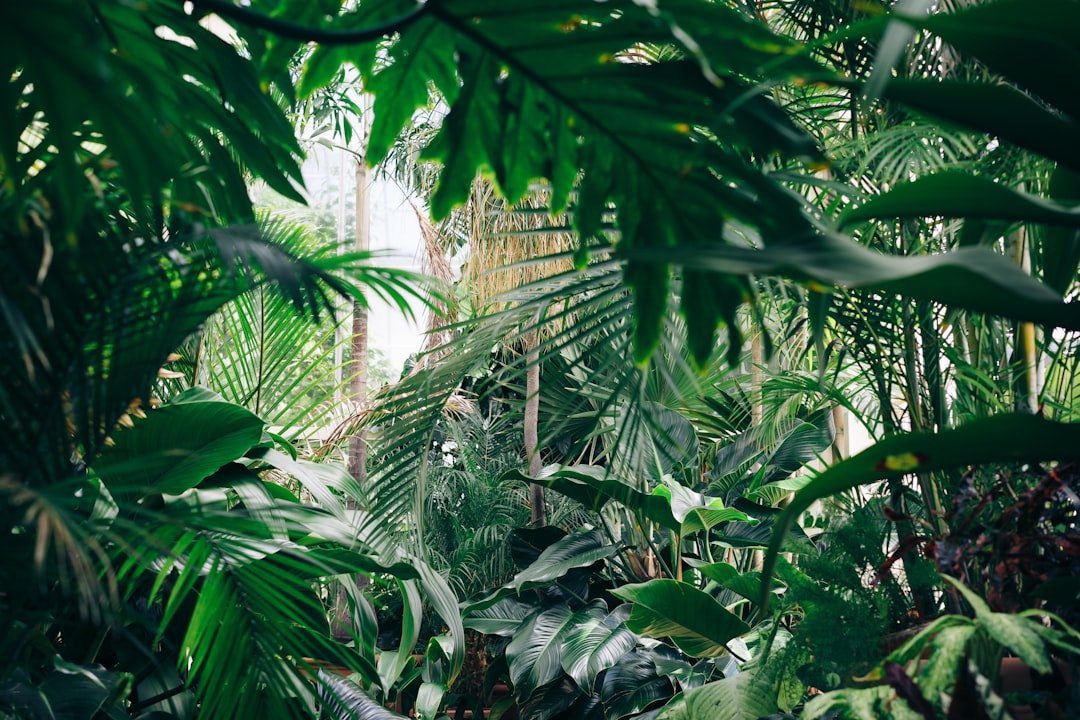
Most travelers who arrive in Jujuy think of the multicolored Quebrada or the endless Puna. Very few know the Yungas: the subtropical mountain cloud forest that covers the eastern slopes of the Andes between 400 and 3,000 meters of altitude. In Jujuy, Calilegua National Park is the jewel of this globally unique ecosystem, with over 300 bird species and mammals including the tapir, jaguar and spectacled bear. This is the guide almost nobody gives you.
What Are the Yungas and Why Are They Unique?
What makes the Yungas unique is the combination of variables: humid easterly winds from the Atlantic strike the Andean slopes and form a permanent cloud layer between 1,000 and 2,000 meters that feeds dense, extraordinarily diverse vegetation. Temperature varies radically with altitude: in the lower yungas (up to 1,000 m) the climate is subtropical humid; in the mid-yungas it is cool-temperate; in the upper yungas (above 2,000 m) it transitions to the cloud grasslands.
Visually, Jujuy's Yungas contrast radically with the aridity of the Quebrada de Humahuaca or the bareness of the Puna: here everything is green, the vegetation is dense, the air smells of damp earth and it rains frequently between October and March.
Calilegua National Park: Jujuy's Green Heart
The main access is via Provincial Route 83, which departs from the city of Libertador General San Martín (Ledesma), about 90 km south of San Salvador on National Route 34. The park headquarters is in Valle Grande, a village of about 200 people inside the protected area, 22 km from the entrance. The access road climbs more than 1,500 meters in those 22 km — it is winding and unpaved in some sections [verify current road conditions before traveling].
The park has self-guided trails in the Valle Grande sector, an authorized campsite [verify prices and booking], and the possibility of hiring local Guaraní community guides from Cianzo [verify availability in 2026] for the park's deeper trails.
Flora and Fauna: What You Can Find
With over 300 recorded species, the park is a top-tier birdwatching destination. Among the most sought-after birds are the green toucan, the mountain chachalaca, several Andean parakeets and the harpy eagle (rare but present). The peak period for bird activity is September to November, during migration and the breeding season.
The flora is equally diverse: the cedro coya, the pino del cerro (Podocarpus parlatorei) and the criollo walnut dominate the mid-yungas sectors. Native orchids — over 20 species recorded in the park — bloom between October and January. Tree ferns reaching over 5 meters create environments more reminiscent of a New Zealand fern valley than northern Argentina.
How to Get to Calilegua National Park
There is no regular public transport that goes directly to Valle Grande. From Libertador there are occasional remis services to the park [verify availability and prices in 2026], but they are infrequent. For a comfortable visit, a private car or an organized excursion from San Salvador de Jujuy is the best option.
If you are traveling from the Quebrada de Humahuaca, the circuit can be done by taking National Route 9 south from San Salvador and combining the Quebrada north-to-south with Calilegua as the closing point before reaching the airport. Budget at least a full day for the park — a brief visit does not do justice to the scale of the ecosystem. See also: car rental guide for Jujuy.
Best Time to Visit the Yungas of Jujuy
April and May are particularly good: the park is at its greenest post-rain, temperatures are pleasant (20-25°C in the lower yungas) and wildlife is very active before the winter cold. September and October are the best months for birdwatching: the vegetation is more open and migratory birds arrive in greater numbers.
July — Jujuy's most visited month overall — is valid for Calilegua, but winter temperatures in the park's higher sectors (Valle Grande at 1,500 m) can drop considerably, and the forest is less dense, which helps spot wildlife but reduces the visual impact of the vegetation.
Always bring high-concentration insect repellent: jejenes (tiny biting gnats) and horseflies are intense in the wet season and moderate the rest of the year. Long-sleeved clothing is essential on the trails.
Practical Tips for Your Visit
The self-guided trails in the Valle Grande sector are accessible to travelers without technical mountain experience. The El Transitón trail (approximately 4 km one way) is the most popular and offers good wildlife spotting possibilities. For longer trails into the park's interior, going with a local guide is recommended.
Minimum equipment: trekking boots with good grip (the wet forest floor is slippery), long-sleeved clothing, insect repellent, a rain poncho (afternoon showers are frequent even in the dry season), water and food — there are no food services inside the park except in Valle Grande.
If you want the total Jujuy contrast experience, the ideal itinerary combines the Quebrada de Humahuaca and Puna with Calilegua: in less than 200 km you can go from the 3,500-meter salt flat to the 500-meter subtropical jungle — two worlds that share an administrative border but have absolutely nothing in common visually.
Frequently Asked Questions
Ready to travel?
Compare hotels, car rentals and tours in Jujuy.
Related Articles
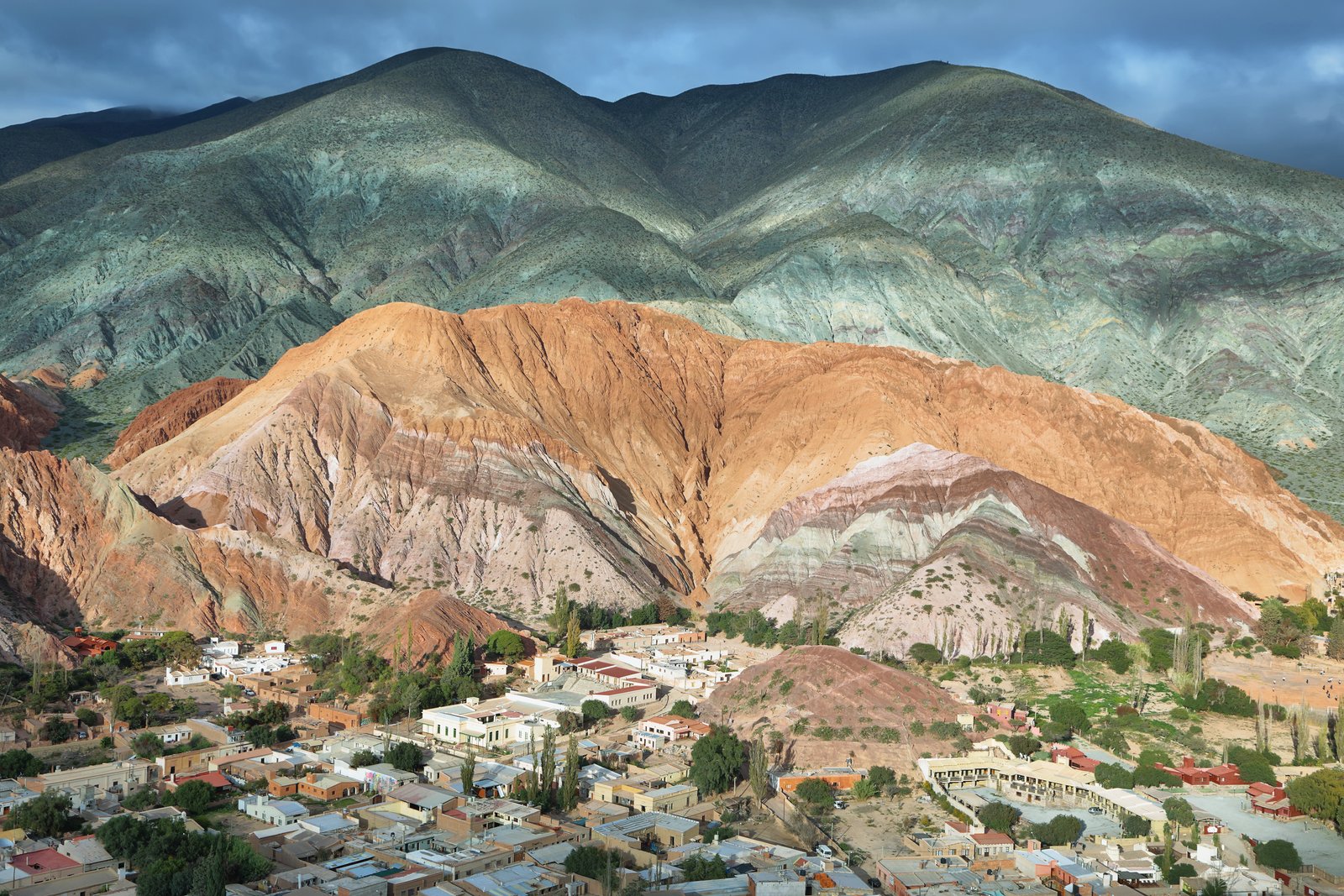
Quebrada de Humahuaca: Complete 2026 Guide — What to See, How to Get There & Where to Stay
Updated guide to the Quebrada de Humahuaca. UNESCO Heritage, towns, routes, accommodation and practical tips for your Jujuy trip.
Read more →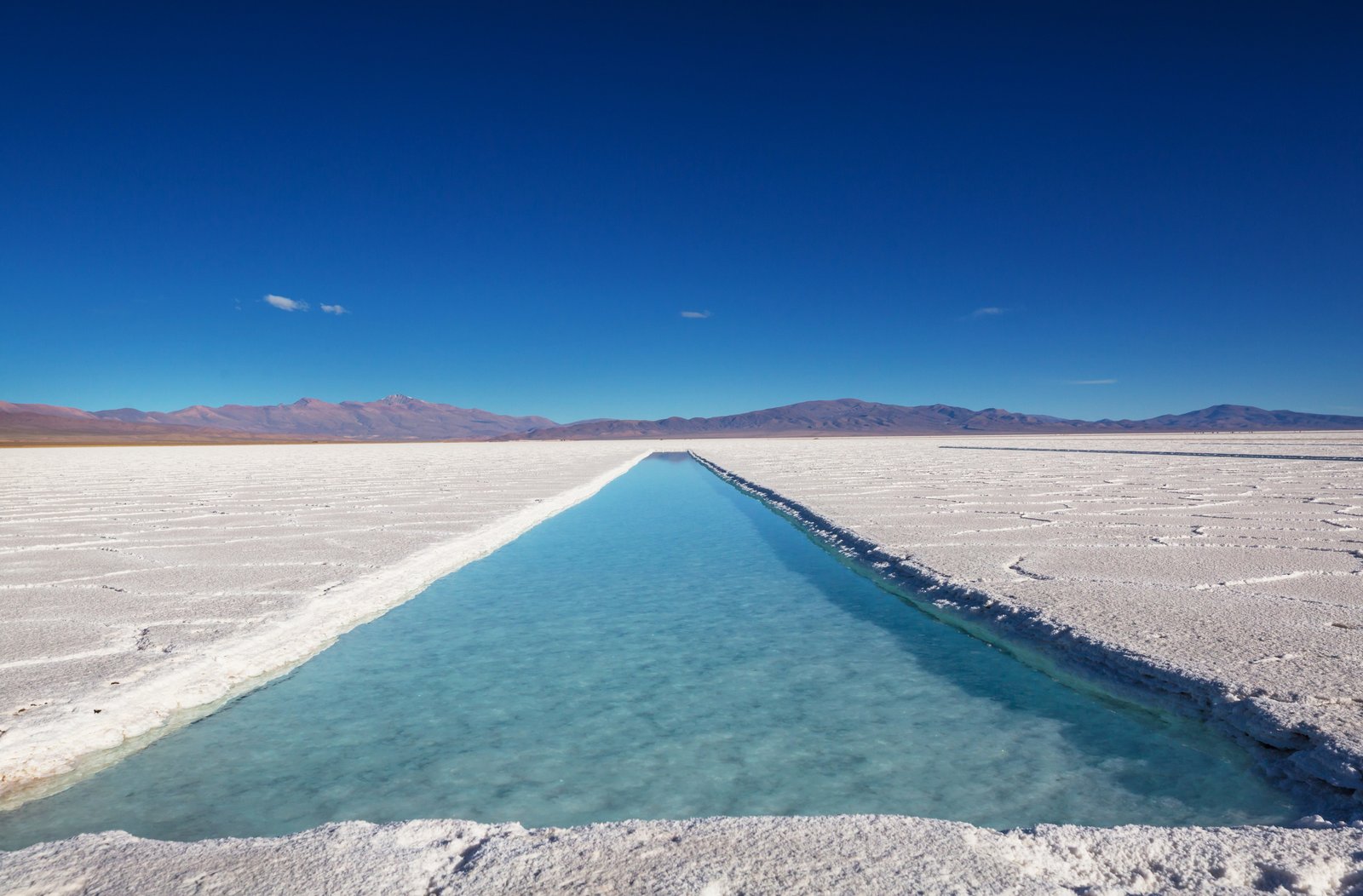
Salinas Grandes: How to Get There, Prices & Practical Tips
Everything about Jujuy's Salinas Grandes: routes, costs, best season, tours and tips for the perfect excursion from Purmamarca.
Read more →