Humahuaca
Humahuaca is the town that gives the Quebrada its name and marks its northern end, at 2,939 meters altitude. Its historic center, declared a World Heritage Site, features cobblestone streets, the Cathedral Church, and the iconic Monument to Independence Heroes carved into the hillside. From here you can reach Cerro Hornocal (14 Colors Mountain Range), one of Argentina's most spectacular landscapes, at 4,350 meters. Humahuaca is less touristy than Purmamarca or Tilcara, giving it a special authenticity.
What to See & Do in Humahuaca
How to Get to Humahuaca
From San Salvador de Jujuy: 126 km via RN 9, approximately 2h45. Daily buses.
Frequently Asked Questions
Nearby Destinations
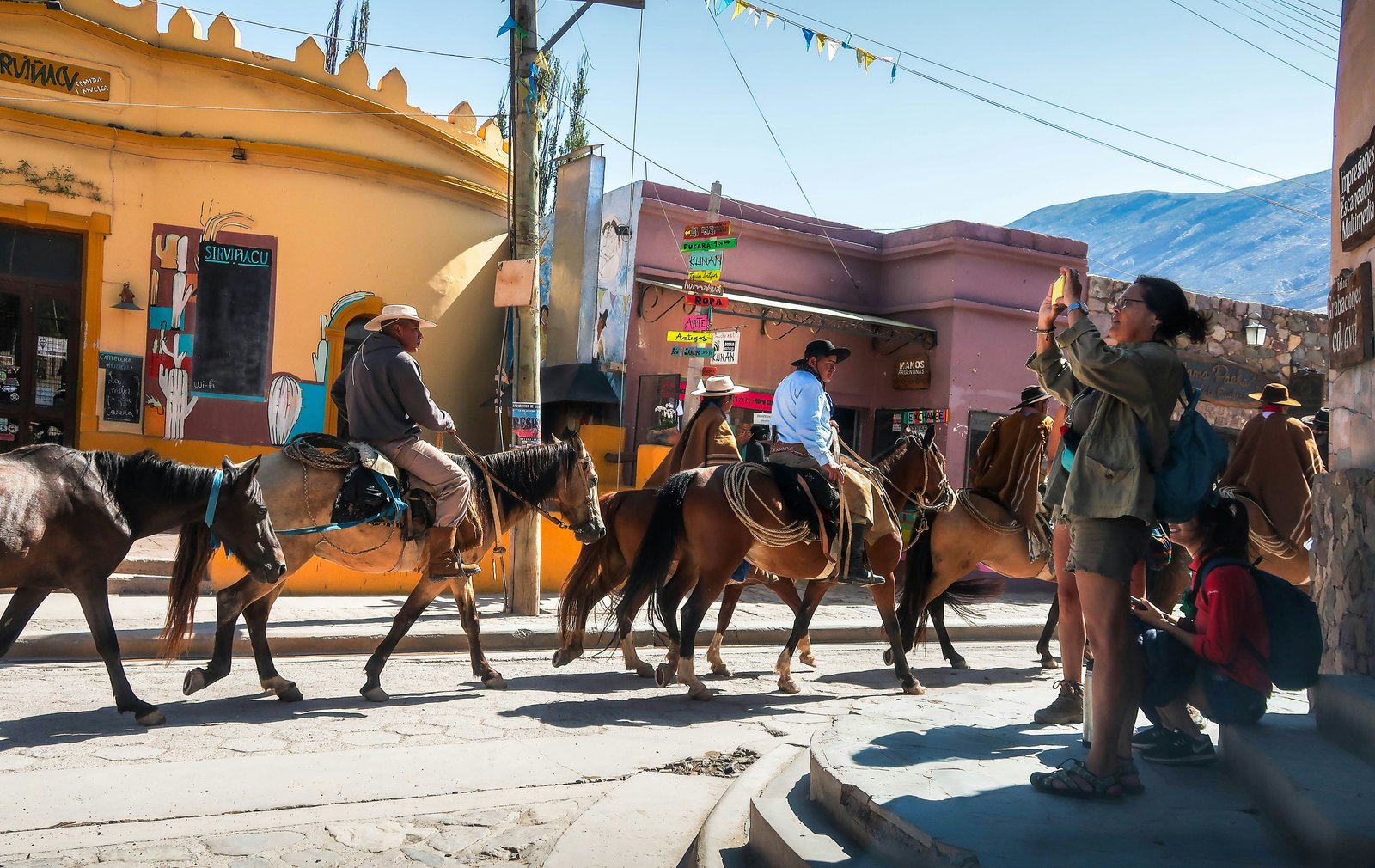
Tilcara
TownTilcara, known as the archaeological capital of the Quebrada, is a vibrant town at 2,461 meters combining pre-Hispanic ruins, contemporary art, and a growing food scene. Its main attraction is the Pucará de Tilcara, a restored pre-Inca fortress overlooking the valley. The town also houses the Eduardo Casanova Archaeological Museum, art galleries, folklore venues, and the famous Tilcara Carnival in February. It's the most touristic town in the Quebrada, with the best accommodation and restaurant infrastructure.
Jujuy, Argentina
Maimará
TownMaimará is a small town at 2,383 meters famous for the Painter's Palette, a hillside of multicolored strata resembling a natural work of art. Less visited than its neighbors, Maimará offers a more authentic and peaceful experience. Its hillside cemetery, with colorful flowers, is one of the most photographed in Argentina. Located between Purmamarca and Tilcara, it makes a perfect stop on the Quebrada route.
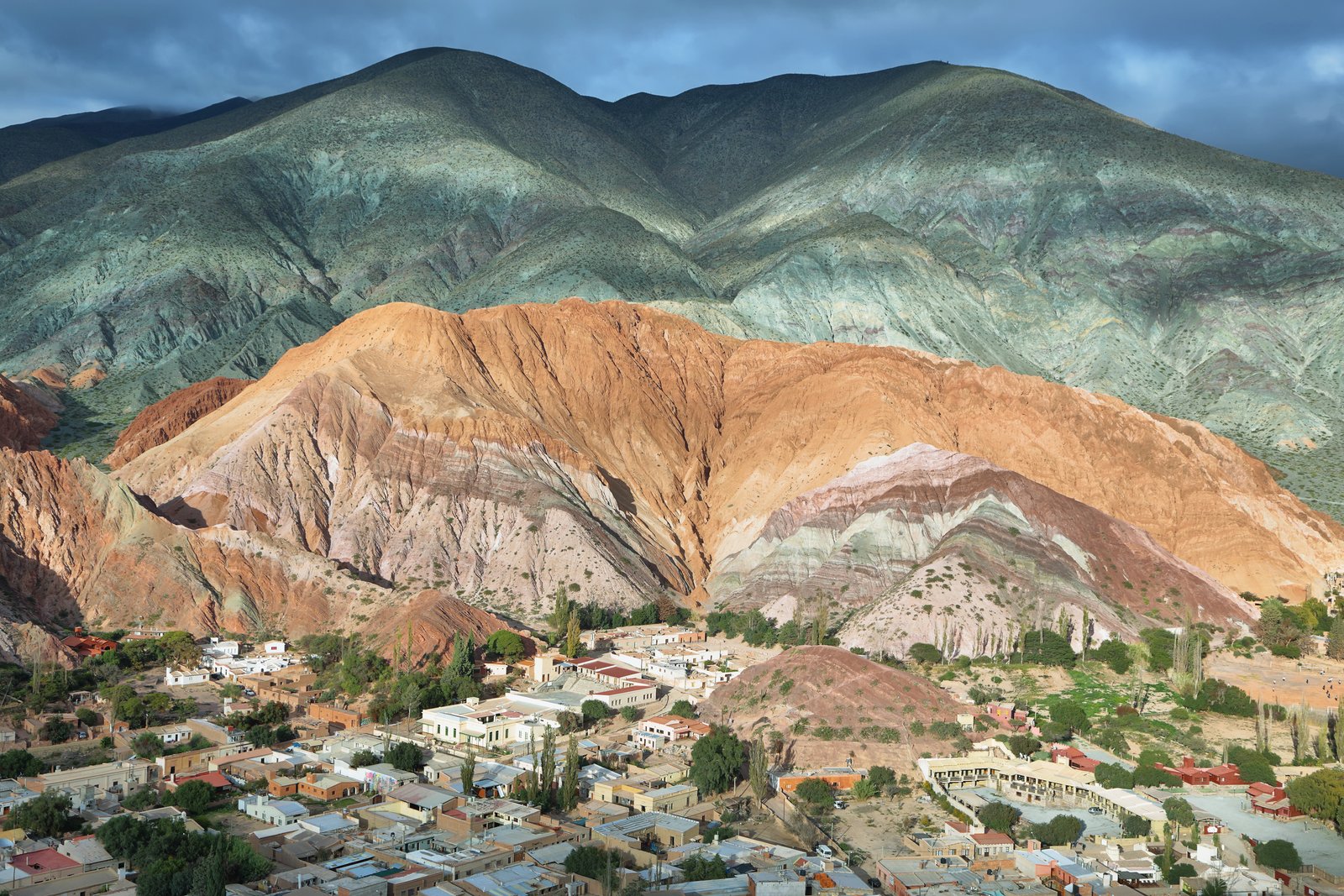
Quebrada de Humahuaca
UNESCO HeritageThe Quebrada de Humahuaca, declared a UNESCO World Heritage Site in 2003, is a stunning 155 km valley stretching along the Río Grande, surrounded by multicolored mountains reaching over 4,000 meters. This natural corridor was part of the Inca Trail and today connects Jujuy's most iconic towns: Purmamarca, Tilcara, Maimará, and Humahuaca. Its geological formations, millions of years old, paint a landscape of reds, ochres, greens, and purples that shift with daylight. The Quebrada combines pre-Columbian archaeology, colonial architecture, living indigenous culture, and unique Andean gastronomy. It is the essential destination of any trip to northwestern Argentina.