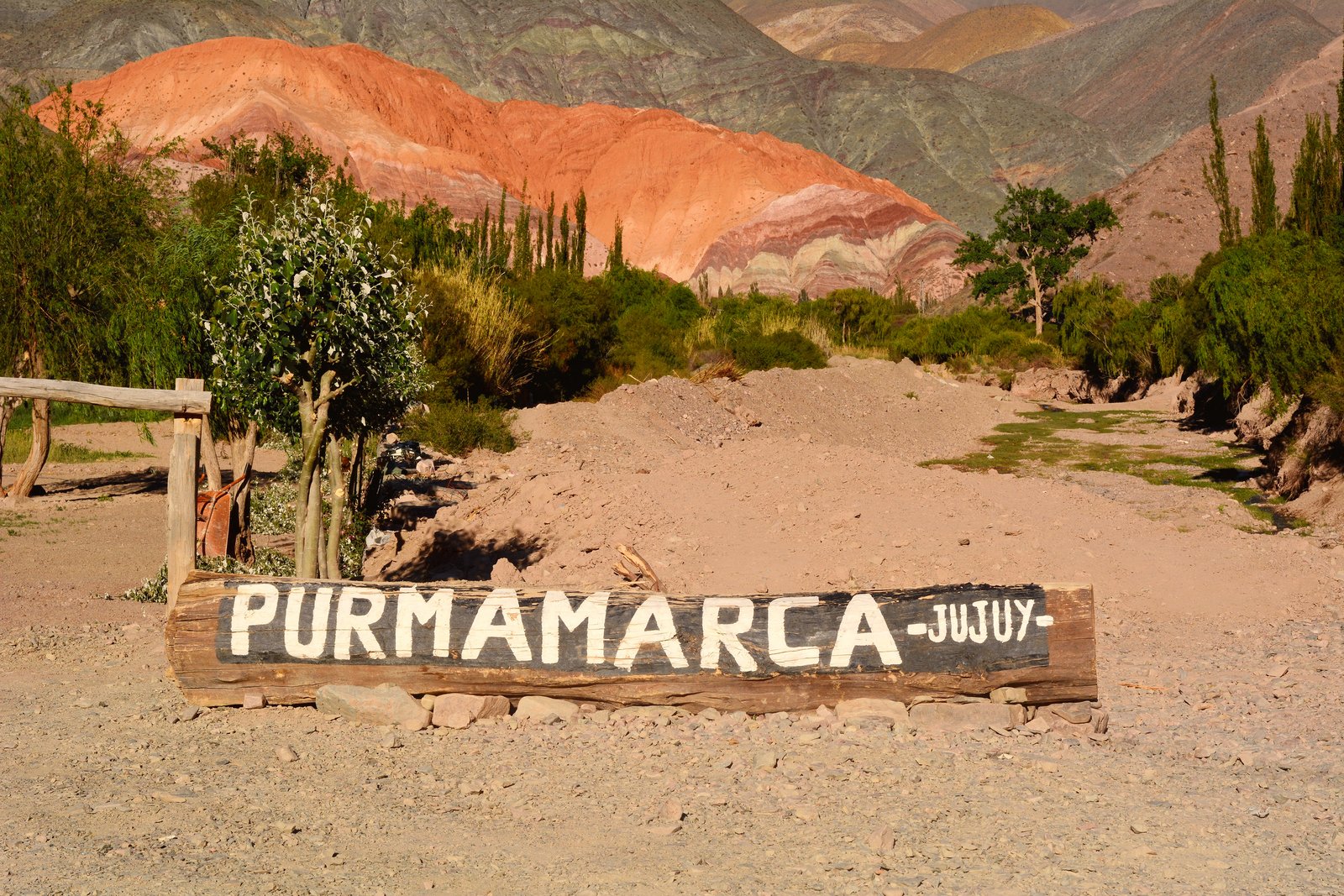
Purmamarca
Purmamarca is a small gem nestled at the foot of the legendary Hill of Seven Colors, at 2,192 meters altitude and just 65 km from San Salvador de Jujuy. This town of dirt streets and adobe houses preserves its colonial and pre-Hispanic essence like few places in Argentina. Its central plaza, surrounded by a permanent artisan market, is the starting point for the Paseo de los Colorados (a 3 km circuit around multicolored rock formations), visiting the Santa Rosa de Lima church (17th century), and watching the sunset over the hill. Purmamarca is also the gateway to the Salinas Grandes via the spectacular Cuesta de Lipán, ascending to 4,170 meters.
What to See & Do in Purmamarca
How to Get to Purmamarca
From San Salvador de Jujuy: 65 km via RN 9, approximately 1h15. Frequent buses from the terminal.
Frequently Asked Questions
Nearby Destinations
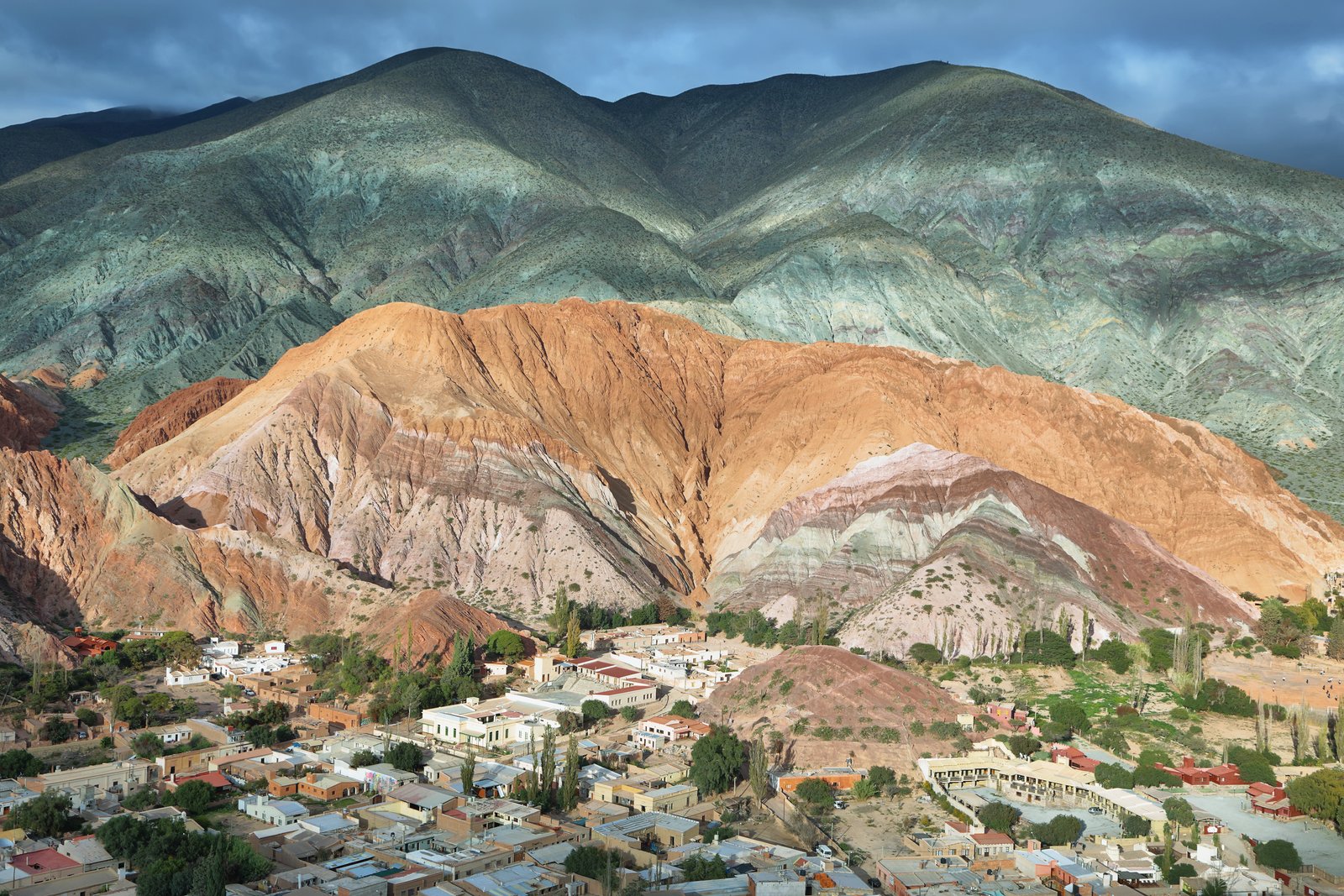
Quebrada de Humahuaca
UNESCO HeritageThe Quebrada de Humahuaca, declared a UNESCO World Heritage Site in 2003, is a stunning 155 km valley stretching along the Río Grande, surrounded by multicolored mountains reaching over 4,000 meters. This natural corridor was part of the Inca Trail and today connects Jujuy's most iconic towns: Purmamarca, Tilcara, Maimará, and Humahuaca. Its geological formations, millions of years old, paint a landscape of reds, ochres, greens, and purples that shift with daylight. The Quebrada combines pre-Columbian archaeology, colonial architecture, living indigenous culture, and unique Andean gastronomy. It is the essential destination of any trip to northwestern Argentina.
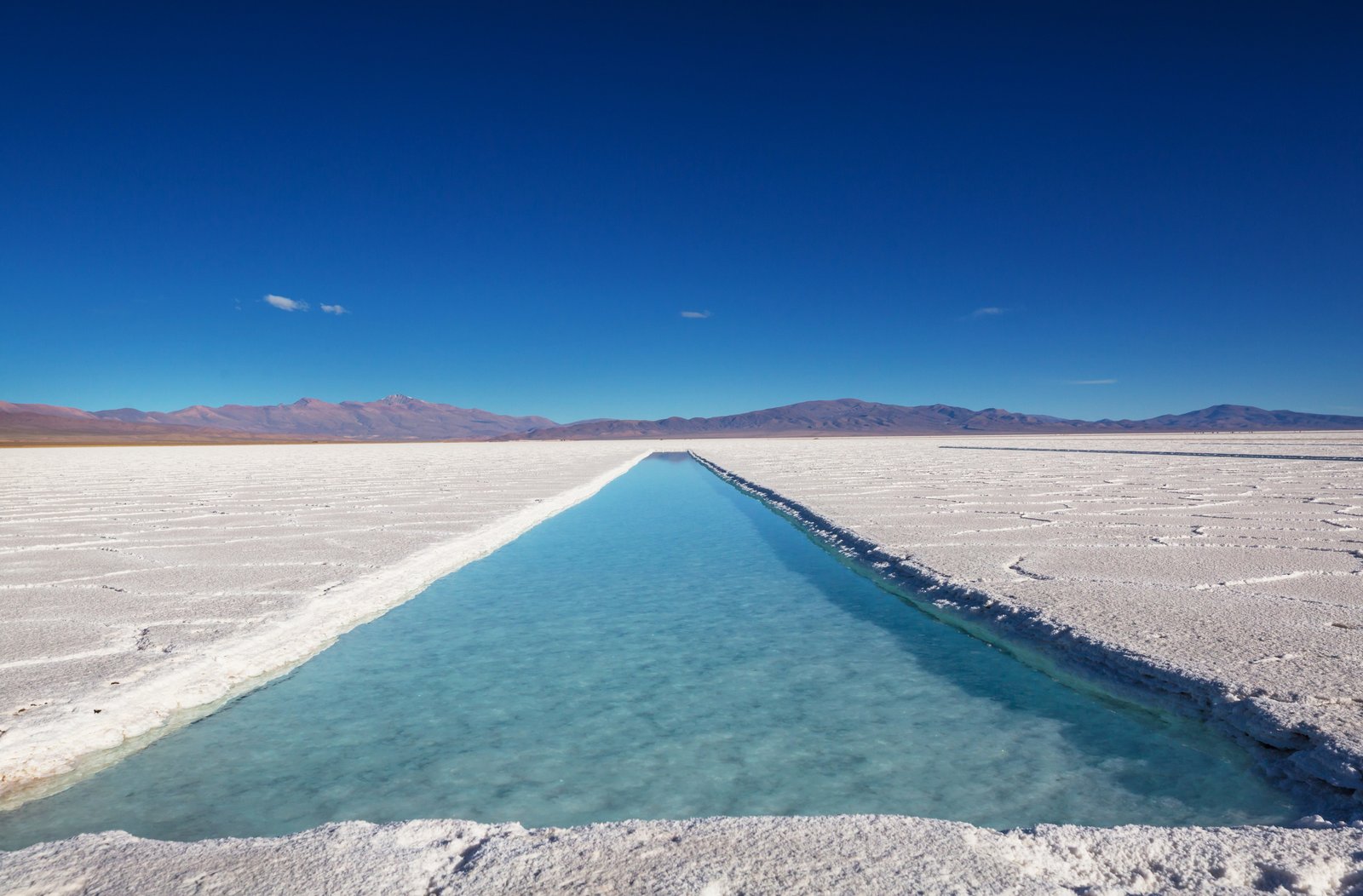
Salinas Grandes
Natural LandscapeThe Salinas Grandes of Jujuy are a salt desert spanning over 12,000 hectares at 3,450 meters altitude, on the border between Jujuy and Salta provinces. This immense white expanse stretching to the horizon creates one of northwestern Argentina's most striking landscapes. Reached from Purmamarca via the Cuesta de Lipán, a winding road reaching 4,170 meters at the Abra de Potrerillos before descending to the salt flat. Indigenous communities have extracted salt by hand here for centuries, and visitors can see the extraction pools and purchase salt crafts. The best time to photograph is at noon, when the sun is at its peak and the sky's reflection on the salt creates a unique mirror effect.
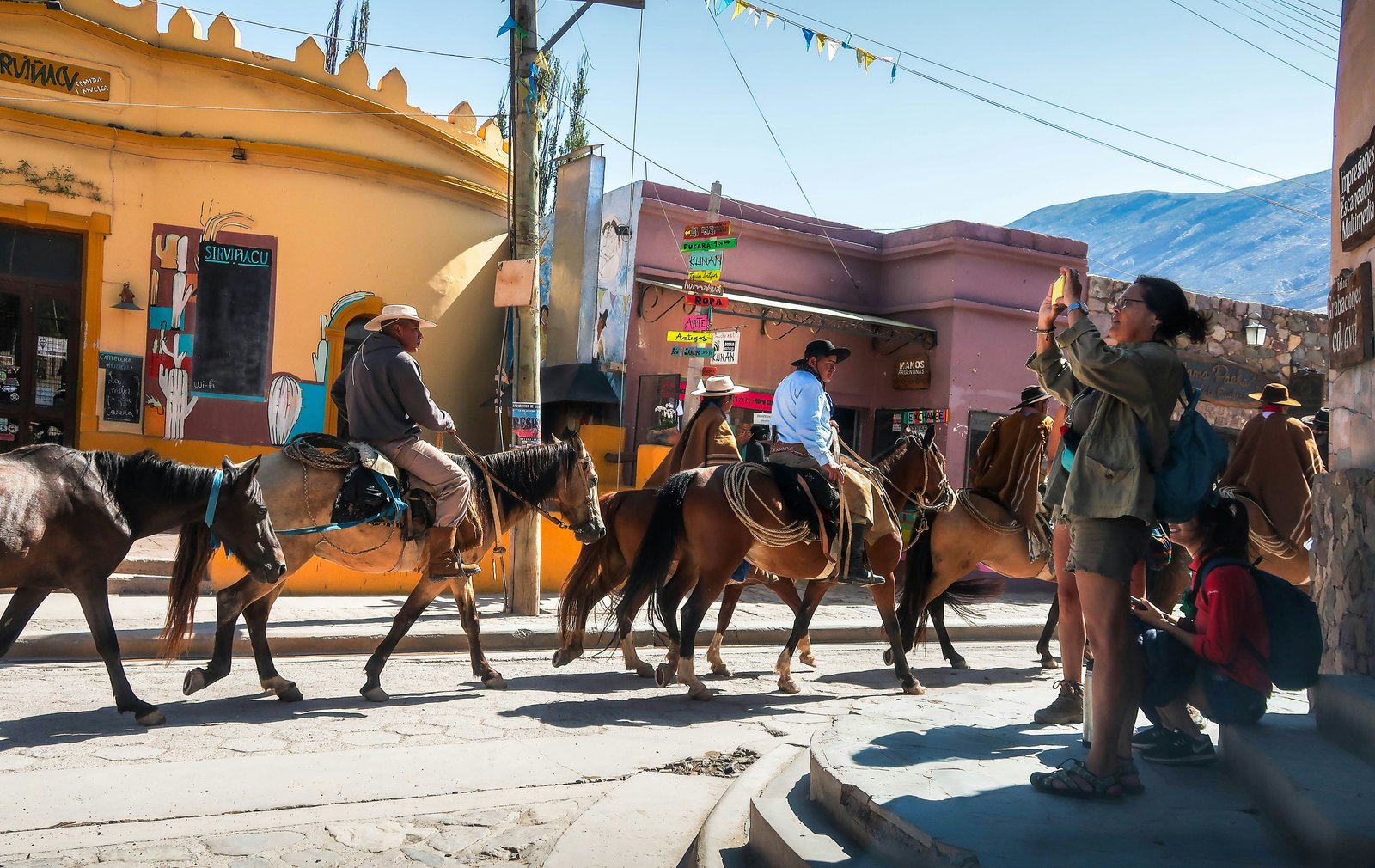
Tilcara
TownTilcara, known as the archaeological capital of the Quebrada, is a vibrant town at 2,461 meters combining pre-Hispanic ruins, contemporary art, and a growing food scene. Its main attraction is the Pucará de Tilcara, a restored pre-Inca fortress overlooking the valley. The town also houses the Eduardo Casanova Archaeological Museum, art galleries, folklore venues, and the famous Tilcara Carnival in February. It's the most touristic town in the Quebrada, with the best accommodation and restaurant infrastructure.