Humahuaca is the largest town and historical capital of the Quebrada de Humahuaca, with around 12,000 inhabitants spread between the colonial historic center and neighborhoods climbing the hillside. It is not just a stopover: it has the most photographed monument in northwest Argentina, one of the most authentic carnivals in the country and a living tradition of copla music that still echoes through its streets. This guide tells you what you cannot miss.
The Main Square and the Historic Cabildo
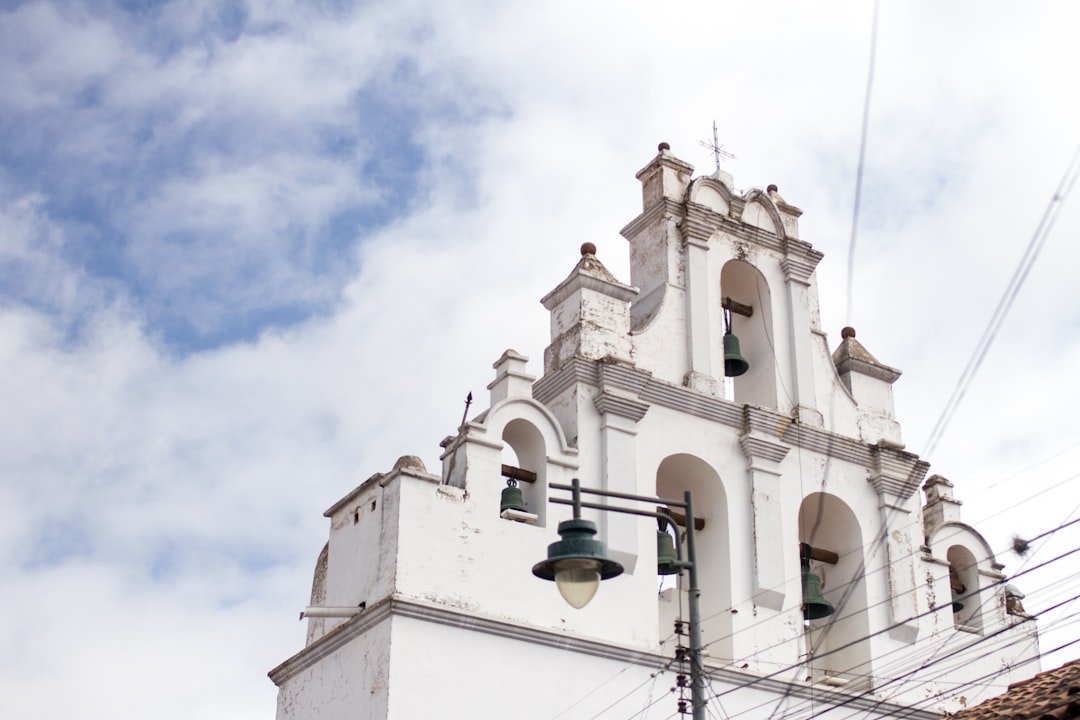
The Church of Nuestra Señora de la Candelaria e Inmaculada Concepción, facing the square, dates from the 17th century and has a colonial mestizo facade — Andean Baroque — with pre-Hispanic iconographic elements mixed with Christian imagery. The interior is simple and well preserved. Both the Cabildo and the church are steps apart and can be explored in under an hour on foot.
Humahuaca's altitude (2,940 m) makes mornings and evenings cold even in summer. Always carry a jacket, and if you are coming from low-altitude areas without prior acclimatization, read the guide on how to prevent altitude sickness in Jujuy first.
The Heroes of Independence Monument
The climb is about 200 steps from the square. It is not difficult, but at nearly 3,000 meters of altitude it is worth taking it slowly. From the monument's base platform the view over Humahuaca's colonial rooftops, the Río Grande and the ochre hills beyond is one of the most photogenic in the entire Quebrada de Humahuaca.
Sunset is the most beautiful moment: the low light turns the hills orange, red and violet within minutes. Go up 20-30 minutes before sunset to secure a spot and take photos without rushing. During peak season you will share the climb with other visitors, but the experience is worth it regardless.
The Market and the Artisans' Street
The municipal market on the square is larger and more local than Tilcara's: there are food stalls serving locro, mazamorra and api (a hot purple corn drink), and crafts at generally lower prices than in the more tourist-heavy Quebrada towns. If you are looking for authentic locally produced textiles, this market is arguably the best in the entire region.
Humahuaca is also the departure point for the excursion to Iruya, a village of 3,780 inhabitants at 3,610 m accessible only via a 50 km unpaved cliff-side road from the main highway. The drive takes approximately 2 hours each way. Doing it properly requires a full day or an overnight in Iruya; a vehicle with good clearance or an organized tour is recommended [verify available operators in 2026].
The Copla: Living Music in the Streets
Humahuaca is the most active center of copla in Jujuy. In the streets of the historic center it is relatively common to hear local musicians performing informally, especially on weekends. During carnival, copla blends with the bombo drum rhythm and Andean murga to create something entirely unique in Argentina.
If you want to take authentic Jujuy music home, Humahuaca's artisan luthiers make handcrafted charangos from local woods [verify availability of active luthiers in 2026]. These are instruments of significantly higher quality than what you can find in Buenos Aires tourist shops. Handmade cajas are also a meaningful and practical souvenir for the return journey.
Carnival in Humahuaca: Ritual and Andean Revelry
The carnival has three central elements: the topamiento (ritual encounter between two comparsas), the kajeo (ritual blessing of animals and tools with coca leaves and chicha) and improvised copla singing as a poetic duel between performers. During the central days, comparsas parade in elaborate costumes of feathers, mirrors and bright fabrics, to the rhythm of bombos, charangos and Andean wind instruments.
If your trip falls in August, keep an eye on the Tango y Pacha Festival in the Quebrada: a unique fusion of River Plate tango and the spirituality of the Pachamama, set against these same multicolored mountains.
How to Get There and Where to Stay
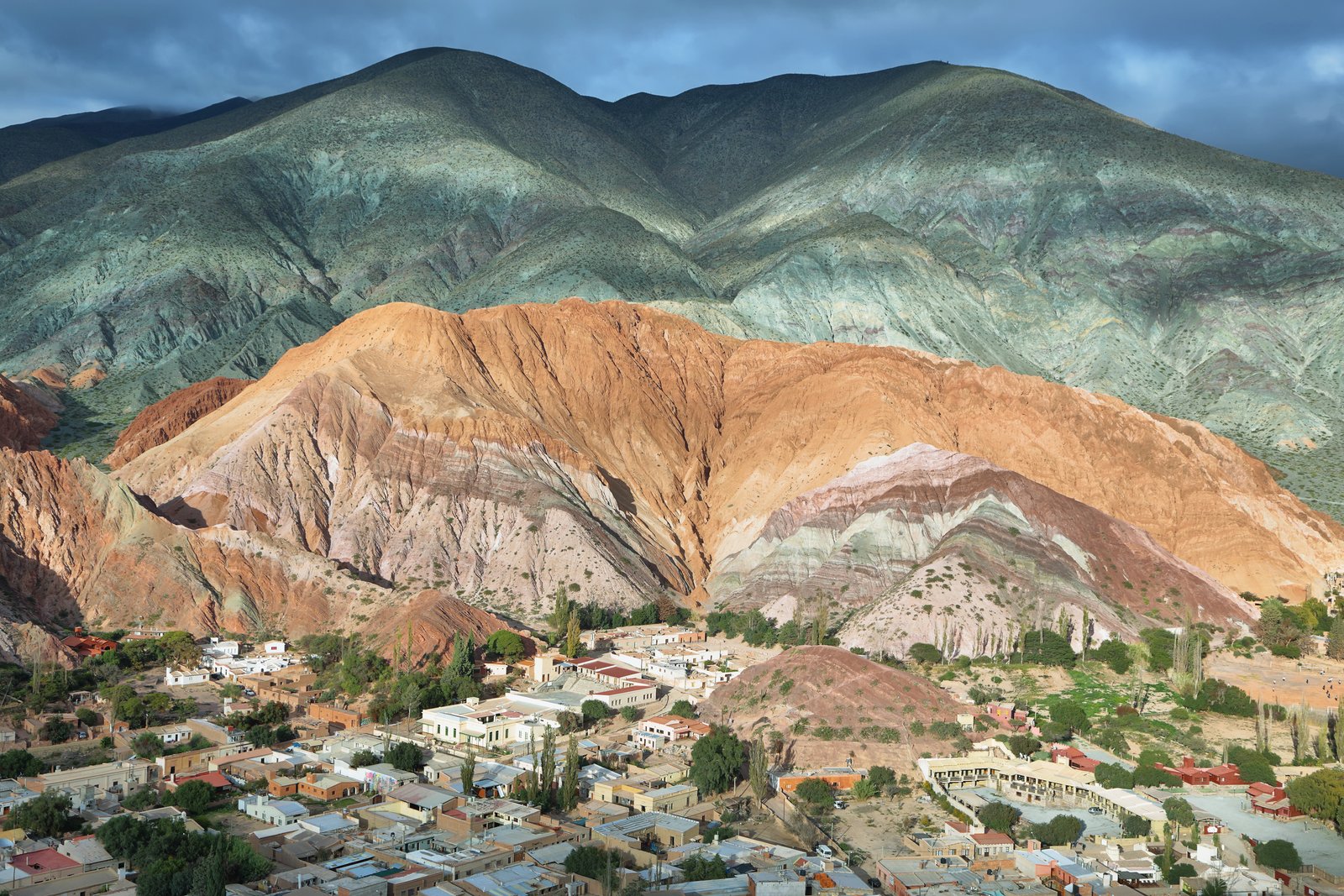
From Tilcara it is just 46 km (about 40 minutes by car or 1 hour by bus). The stretch runs along the Río Grande and passes through Maimara, with its famous 'painter's palette' — the multicolored hills that dominate the town.
Accommodation in Humahuaca is more affordable and less plentiful than in Tilcara or Purmamarca. There are about a dozen guesthouses, inns and hostels [verify availability and prices in 2026]. During carnival the town fills completely: if you want to experience it from the inside, book at least 60 days ahead. Outside carnival and July, you will find availability without trouble and prices considerably lower than in the rest of the Quebrada.
Frequently Asked Questions
Ready to travel?
Compare hotels, car rentals and tours in Jujuy.
Related Articles
Quebrada de Humahuaca: Complete 2026 Guide — What to See, How to Get There & Where to Stay
Updated guide to the Quebrada de Humahuaca. UNESCO Heritage, towns, routes, accommodation and practical tips for your Jujuy trip.
Read more →
Salinas Grandes: How to Get There, Prices & Practical Tips
Everything about Jujuy's Salinas Grandes: routes, costs, best season, tours and tips for the perfect excursion from Purmamarca.
Read more →