The top things to do in Salta, Argentina, are walking its colonial center around Plaza 9 de Julio, with the cathedral, the Cabildo and the striking San Francisco church; seeing the Inca children of Llullaillaco volcano at the MAAM museum; riding the cable car up Cerro San Bernardo; and spending an evening at a folk music peña on calle Balcarce, empanadas in hand. Salta sits at 1,187 m (3,900 ft), is easy to explore on foot and is the gateway to Cafayate, Cachi, the Tren a las Nubes and Jujuy's Quebrada de Humahuaca. Two days cover the city; three let you add a day trip. Below are 18 highlights, a day-by-day plan, where to stay by neighborhood and how to continue to Jujuy.
Salta's 18 Highlights at a Glance
- 1. Plaza 9 de Julio, the heart of the old town.
- 2. The cathedral, home of the Lord and Virgin of the Miracle.
- 3. The Cabildo (colonial town hall) and its history museum.
- 4. San Francisco church and convent, with a bell tower over 50 m tall.
- 5. San Bernardo convent and its carved 1762 door.
- 6. The MAAM, the Museum of High Mountain Archaeology.
- 7. The cable car up Cerro San Bernardo.
- 8. The 1,070-step stairway, if you'd rather walk up.
- 9. A folk music peña on calle Balcarce.
- 10. The Sunday craft fair on Balcarce.
- 11. Salteña empanadas, humitas and tamales.
- 12. The Mercado San Miguel food market.
- 13. The Mercado Artesanal, a craft market in an 18th-century house.
- 14. Villa San Lorenzo and its cloud-forest gorge.
- 15. Cabra Corral reservoir and rafting on the Juramento River.
- 16. The Tren a las Nubes (Train to the Clouds) to La Polvorilla viaduct.
- 17. The Fiesta del Milagro, every September.
- 18. Day trips to Cafayate and Cachi.
The Old Town: Plaza, Cathedral, Cabildo and Churches
Founded in 1582, Salta has one of Argentina's best-preserved colonial centers; locals call it Salta la Linda, "Salta the beautiful." Start at Plaza 9 de Julio, lined with arcades, cafés and street musicians.
- Cathedral (España 558): pink outside and lavishly baroque inside, it holds the images of the Lord and Virgin of the Miracle, the city's patrons, and its Pantheon of the Heroes of the North contains the remains of independence hero General Martín Miguel de Güemes.
- Cabildo (Caseros 549): facing the cathedral, it's one of the best-preserved colonial town halls in Argentina and houses the Museo Histórico del Norte.
- San Francisco church and convent (Caseros and Córdoba): its terracotta, ivory and white facade is Salta's postcard shot. The bell tower, about 53 m (174 ft) high, is considered the tallest in South America and holds the Bell of the Homeland, cast from weapons used in the 1813 Battle of Salta. There's a museum and weekday guided tours.
- San Bernardo convent (Caseros and Santa Fe): one of the city's oldest buildings, famous for its carob-wood door carved in 1762. It's a cloistered convent, so you admire it from outside.
The city tourist office is at Caseros 711, a few blocks from the plaza.
The MAAM and the Children of Llullaillaco
The Museum of High Mountain Archaeology (MAAM, Mitre 77, on the plaza) is Salta's most powerful visit. It displays the Children of Llullaillaco, three Inca children offered to the gods more than 500 years ago in the capacocha ritual on the summit of that volcano, above 6,700 m (22,000 ft), and found in 1999. Known as the Lightning Girl, the Boy and the Maiden, they are so well preserved that they're kept in special cryogenic capsules and shown one at a time, alongside their miniature offerings.
- Hours: Tuesday to Sunday, 11 am to 7 pm (last entry 6:30 pm); usually closed Mondays except public holidays.
- Admission in October 2026: ARS 16,000 for foreign visitors and ARS 8,000 for Argentines; free under 12.
- Guided tour: included, Tuesday to Friday at 4:30 pm, in Spanish only; sign up at the ticket desk at 3 pm.
- No photos are allowed in the galleries.
Allow an hour and a half.
Cerro San Bernardo: Cable Car or Stairs
Cerro San Bernardo rises about 285 m (935 ft) above the city to 1,454 m, and the summit looks out over the whole Lerma Valley. Up top there are viewpoints, a café and craft stalls.
- Cable car (teleférico): it leaves from Parque San Martín (Avenida San Martín and Yrigoyen), covers 1,016 m and takes about 10 minutes each way in four-person gondolas. It runs daily from morning until 7 or 8 pm depending on the season. In March 2026 a round trip cost ARS 25,000 at the international rate and ARS 20,000 at the national rate.
- On foot: the 1,070-step stairway starts behind the Güemes Monument and is open 7 am to 8 pm. It's a steep climb, so bring water and go early.
- The classic combo: ride up and walk down, or hike up early and ride down.
Go at sunset for the best light.
Peñas, Empanadas and Markets
Salta comes alive at night in its peñas, folk music restaurants where you eat dinner while live bands play zambas and chacareras. The epicenter is calle Balcarce, between Alsina and Ameghino, across from the old train station.
- Peñas on Balcarce: La Vieja Estación (Balcarce 875), La Cautiva (Balcarce 892) and Peña Los Cardones (Balcarce 885) are among the best known. Off that strip are the historic Boliche Balderrama (Avenida San Martín 1126) and La Casona del Molino (Luis Burela 1), set in an old colonial house. Shows usually start after 9 pm, and you should book on weekends.
- Balcarce craft fair: every Sunday, 10 am to 10 pm, along the 700 to 900 blocks.
- What to eat: the Salteña empanada is small, juicy and thin-crusted; add humitas (fresh corn parcels), tamales, locro stew and a glass of Cafayate wine.
- Mercado San Miguel: a no-frills downtown market with produce, meat, regional products and cheap eats. In 2026 it operates outside its main building on Avenida San Martín, in two spaces: Ituzaingó 134, with the food court (pizza, empanadas, tamales, humitas and locro), and 20 de Febrero 37. Both open Monday to Saturday, 8 am to 2 pm and 5:30 to 10 pm.
- Mercado Artesanal (Avenida San Martín 2555): Argentina's first craft market, opened in 1968 in an 18th-century house where Salta's first mill once stood. Open daily 10 am to 8:30 pm, free entry; the place for ponchos, weavings and pottery.
Nearby Trips: San Lorenzo, Cabra Corral and the Tren a las Nubes
- Villa San Lorenzo: 10 to 14 km (6 to 9 miles) away, 15 minutes by car, this is the leafy summer retreat of Salta's residents, set in green cloud-forest hills. The Quebrada de San Lorenzo has an interpretive trail by the river, and longer hikes go with licensed guides because the surrounding land is private. City bus route (corredor) 7 ends at the gorge.
- Cabra Corral reservoir: about 85 km (53 miles) south near Coronel Moldes, a lake among hills with catamaran rides, kayaking, a zipline and bungee jumping off the dam. Downstream, rafting on the Juramento River covers 12 km of class II and III rapids in about 2 hours.
- Tren a las Nubes: in 2026 the train doesn't leave from the city. The full tour (bus, train, bus) starts very early in Salta, climbs by bus through the Quebrada del Toro to San Antonio de los Cobres at 3,775 m (12,400 ft), and from there the train takes an hour to the La Polvorilla viaduct, above 4,200 m (13,800 ft), stopping about 30 minutes before heading back. You return by bus, stopping at Santa Rosa de Tastil. There's also a train-only ticket if you drive to San Antonio de los Cobres yourself. In July and August 2026 it ran Tuesdays, Thursdays and Saturdays, and the full tour cost ARS 210,000 for Argentine residents (foreigners pay a higher rate). Dates change with the season and Puna weather, so check the official website before booking.
Because of the altitude, do the Tren a las Nubes after a couple of days in Salta, eat light the night before and bring warm layers. Compare departures on our tours page.
How Many Days: Salta in 1, 2 or 3 Days
- One day: the plaza, cathedral and Cabildo in the morning; the MAAM after 11 am; the cable car at sunset and a peña at night.
- Two days: add San Francisco, San Bernardo, the Mercado San Miguel, the craft market and an afternoon in San Lorenzo.
- Three days: use the third for a day trip. The classics are Cafayate and its wineries through the Quebrada de las Conchas, Cachi and the Cuesta del Obispo or the Tren a las Nubes. Each takes a full day, about 12 hours.
Better still, instead of coming back the same day, sleep in Cafayate or Cachi and drive the Calchaquí Valleys loop. With a week or more, our northern Argentina road trip through Salta and Jujuy puts it all in altitude order.
Watch the calendar: September 13 to 15 is the Fiesta del Milagro, with a procession on the 15th that draws hundreds of thousands of pilgrims. It's unforgettable, but hotels fill up.
Where to Stay in Salta by Neighborhood
- Historic center, near the plaza: the easiest base for a first visit, within walking distance of the museums, churches and cable car. Hotel Salta faces the plaza (Buenos Aires 1), Legado Mítico is a boutique hotel in an old family mansion on calle Mitre, and Villa Vicuña has a boutique property at Caseros 266.
- Balcarce area: a few blocks north, this is peña and bar territory. The five-star Alejandro I is at Balcarce 252 and Altos de Balcarce at number 747. Expect late-night noise on weekends.
- At the foot of San Bernardo: the Sheraton Salta sits beside the hill, a few blocks from the Güemes Monument, with city views.
- Tres Cerritos: a quiet residential area to the north, home to Kkala Boutique Hotel; you'll need a taxi or car to reach downtown.
- Villa San Lorenzo: for travelers with a car who prefer greenery. Hotel Selva Montana and Posada de los Poetas are about 15 minutes from the city.
Compare availability and prices on our hotels page.
Getting to Salta and Continuing to Jujuy
Salta's Martín Miguel de Güemes airport (SLA) is about 11 km from downtown, with daily flights from Buenos Aires. From North America the handiest links are Copa Airlines from Panama City and LATAM from Lima, both a few times a week; otherwise connect through Buenos Aires. The bus terminal is on Avenida Hipólito Yrigoyen, a few blocks from Parque San Martín.
To continue to Jujuy:
• By bus: frequent services link the Salta and San Salvador de Jujuy terminals, run by companies such as Balut, Andesmar, Flecha Bus and Vía Tac, in about 2 hours.
• By car on the highway: about 120 km (75 miles) via General Güemes, 1.5 to 2 hours.
• By car on La Cornisa: about 90 to 100 km on the old RN 9, a narrow, twisting road through the jungle; drive it in daylight only.
• Straight to the Quebrada: Purmamarca is about 190 km away. Skip the tempting shortcut to the Salinas Grandes salt flats via San Antonio de los Cobres: it's long, partly gravel and takes you above 4,000 m before you're acclimatized.
Full details are in how to get to Jujuy. Once across the border, see things to do in Jujuy and our Quebrada de Humahuaca guide, with Purmamarca, Tilcara and Humahuaca.
Frequently Asked Questions
Ready to travel?
Compare hotels, car rentals and tours in Jujuy.
Related Articles
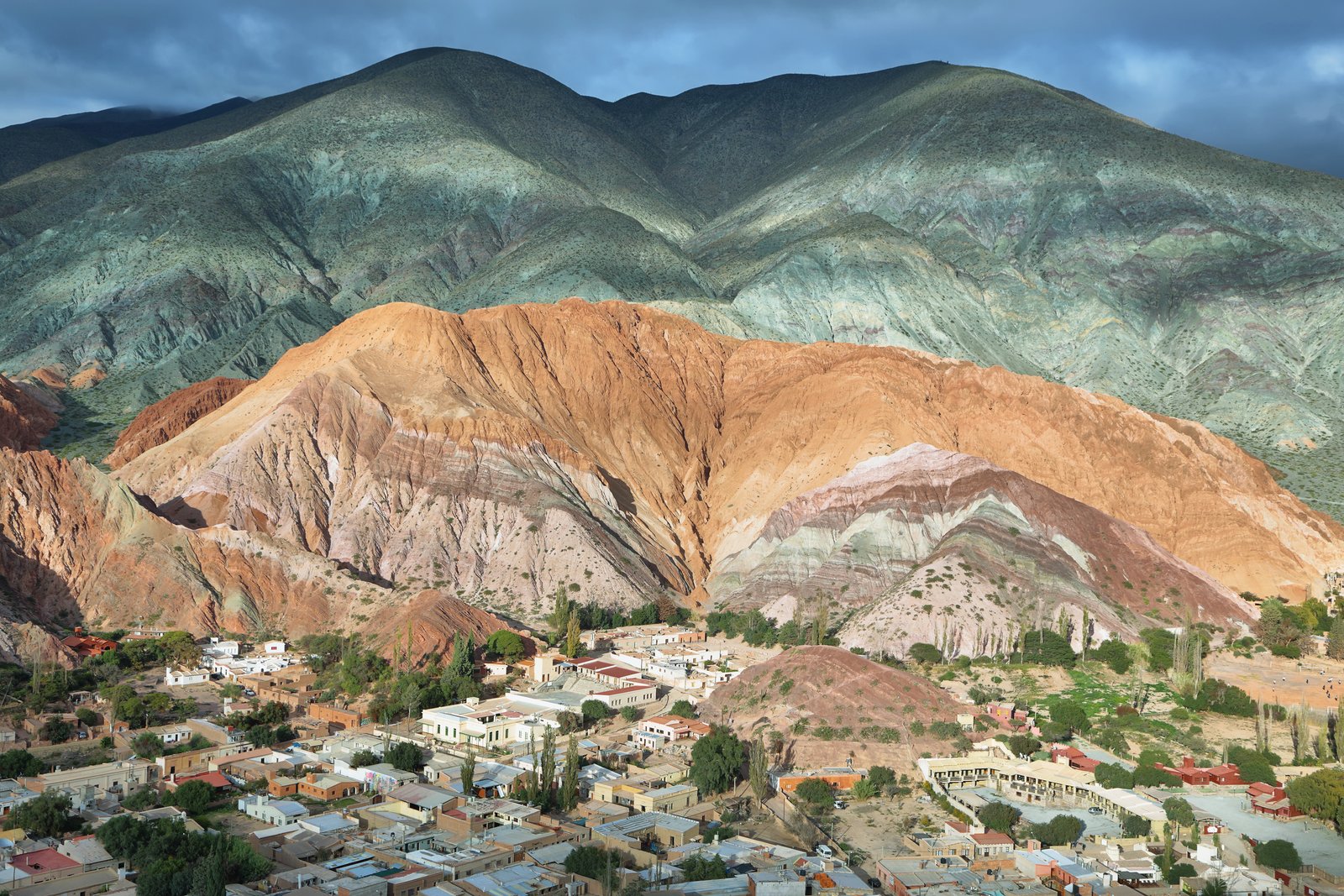
Quebrada de Humahuaca: Complete 2026 Guide — What to See, How to Get There & Where to Stay
Updated guide to the Quebrada de Humahuaca. UNESCO Heritage, towns, routes, accommodation and practical tips for your Jujuy trip.
Read more →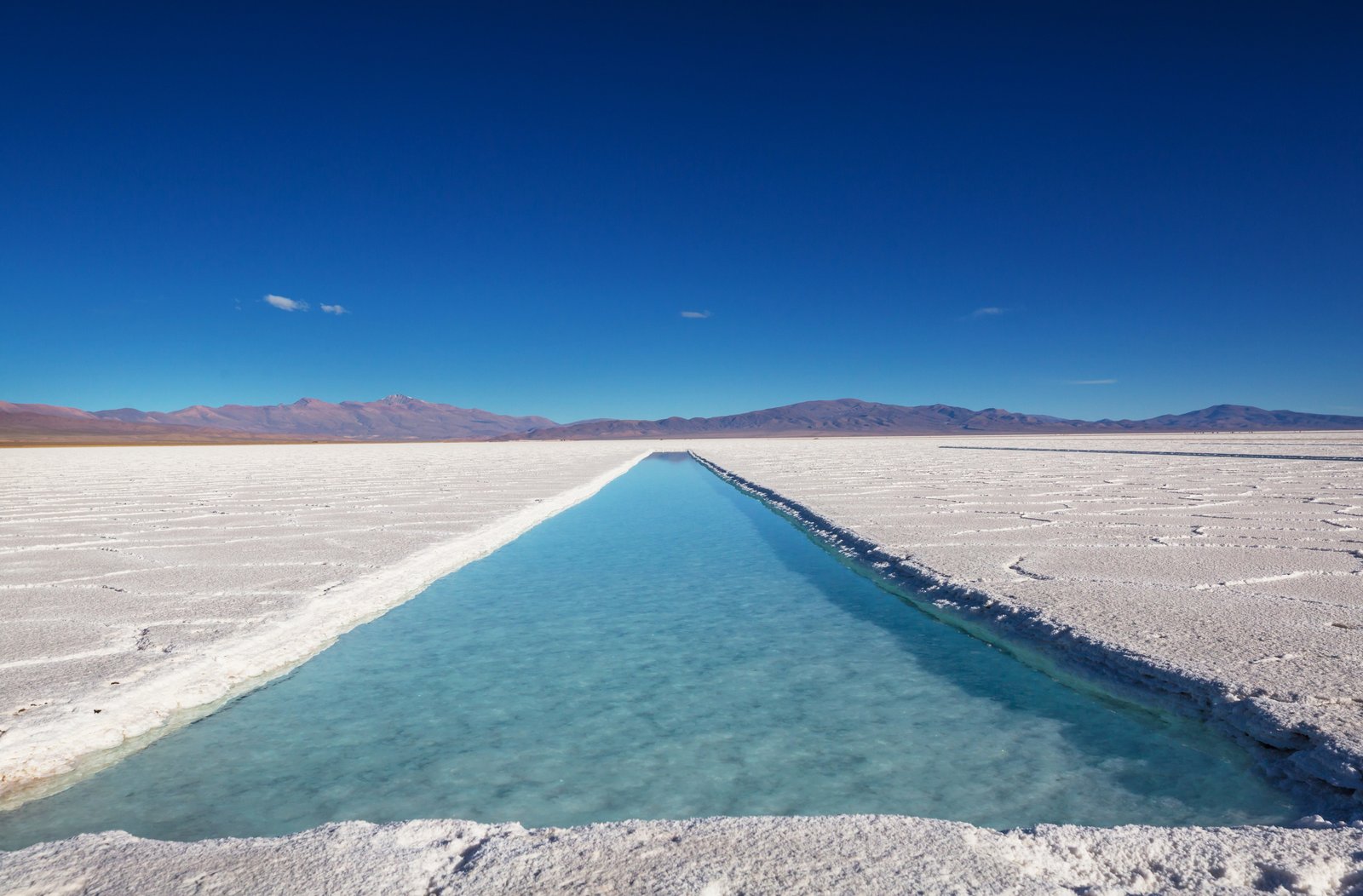
Salinas Grandes: How to Get There, Prices & Practical Tips
Everything about Jujuy's Salinas Grandes: routes, costs, best season, tours and tips for the perfect excursion from Purmamarca.
Read more →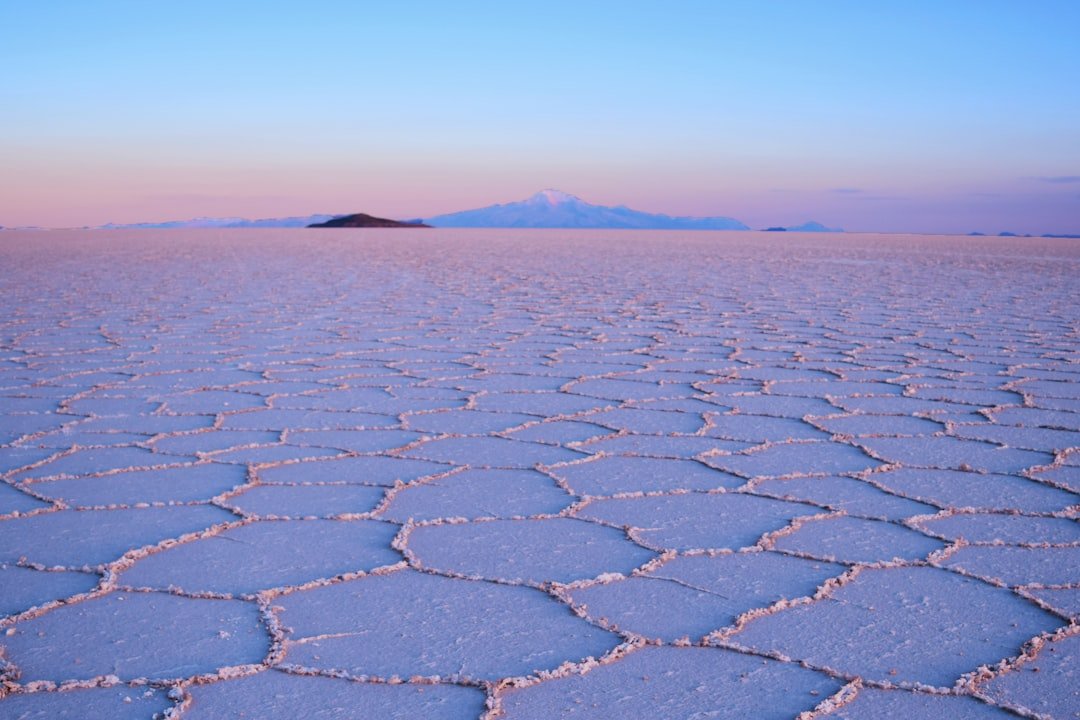
Salinas Grandes Jujuy: Complete Guide — How to Get There, What to See & Responsible Tourism
Complete guide to Jujuy's Salinas Grandes: how to get there from Purmamarca, Lipán pass, indigenous cooperative, best season and practical tips.
Read more →