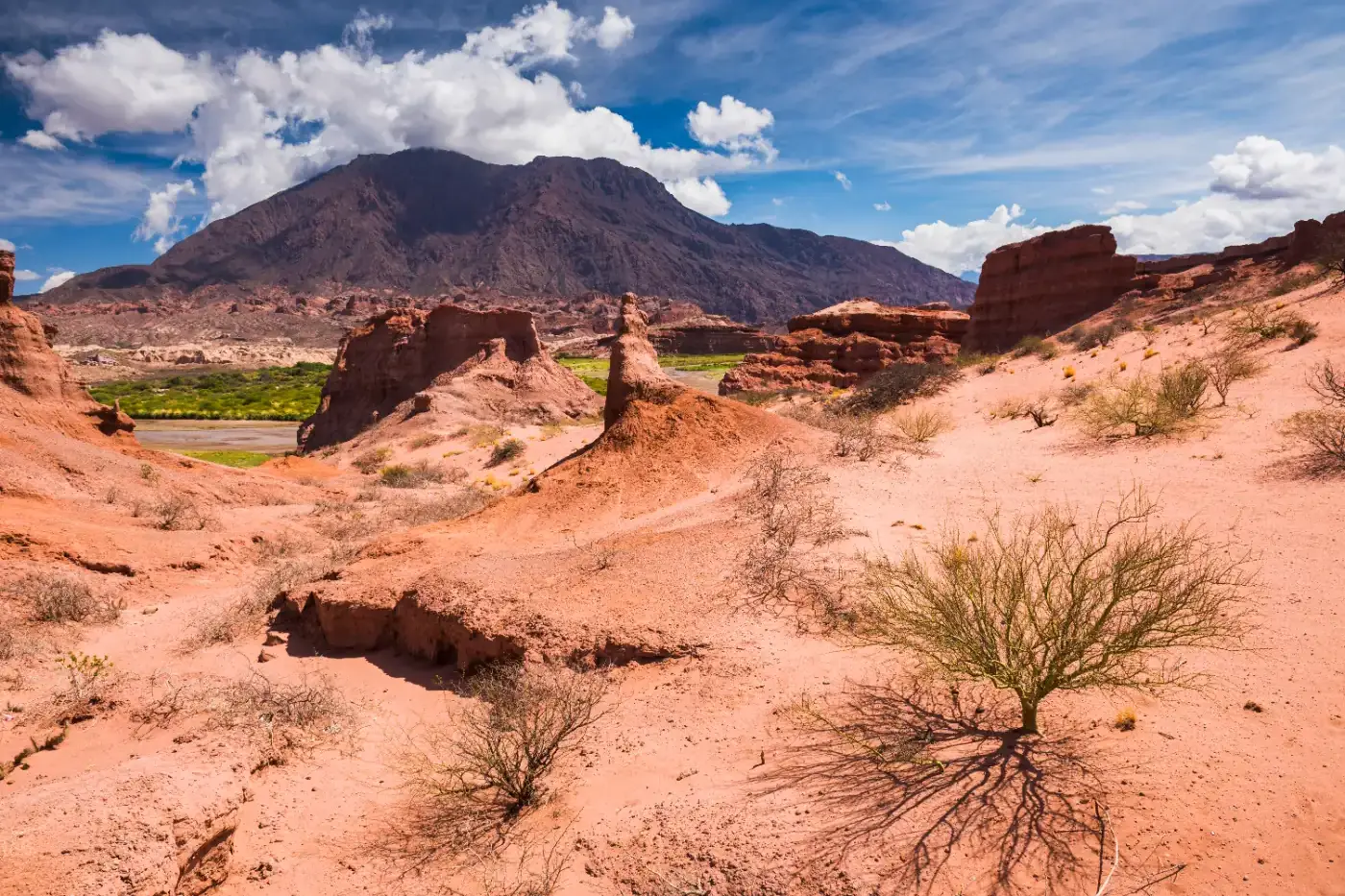
Cafayate is the wine capital of Salta province: a laid-back town in the Calchaquí Valleys at 1,683 m (5,520 ft), about 185 km (115 miles) south of Salta city on fully paved Ruta 68. The drive takes about 3.5 hours, or close to 4 by bus, and runs through the red-rock Quebrada de las Conchas, where the Garganta del Diablo and the Anfiteatro sit right beside the road. Once there, you get high-altitude Torrontés, wineries you can walk to from the main square, the Quilmes ruins less than an hour away and sunshine almost all year. Plan on two nights. Below: how to get there, which wineries to pick, the weather season by season and where to stay.
Where Cafayate Is and How to Get There from Salta
Cafayate sits at the southern end of Salta's Calchaquí Valleys, close to the Tucumán border, where Ruta 68 from Salta meets the legendary Ruta 40. Most international travelers fly into Salta (SLA), which has connections via Buenos Aires, Lima and Panama City.
- By car: about 185 km (115 miles) on RN 68. You head south through the Lerma Valley (Cerrillos, La Merced, El Carril, Coronel Moldes) and, after La Viña and Alemanía, drop into the Quebrada de las Conchas. Allow about 3 hours 30 without stops and 5 to 6 hours with photo stops and short walks. Cafayate has a gas station.
- By bus: Flecha Bus runs five or six departures a day from Salta's bus terminal on Av. Hipólito Yrigoyen; the trip takes 3 hours 45 to 4 hours. In October 2026 a standard ticket started at around ARS 33,500.
- On a tour: Salta agencies run 12-hour day trips with an early pickup and stops in the canyon. You see the highlights, but there's little time for wineries.
- From Cachi: south on Ruta 40, a mostly gravel stretch we cover in our Cachi travel guide.
A rental car is the easiest way to hop between wineries, viewpoints and Quilmes at your own pace. Compare options on our car rental page and see how Cafayate fits into a 7- to 10-day northern Argentina road trip.
Quebrada de las Conchas: Garganta del Diablo, Anfiteatro and More
The Quebrada de las Conchas (also called Quebrada de Cafayate) has been a nature reserve since 1995, and RN 68 runs through it for about 70 km (43 miles). It's named after the fossil shells found in its sediments, and its red formations were carved by millions of years of water and wind erosion. Every stop is signposted beside the road, and all of them are free.
Coming from Salta, they appear in this order:
• Garganta del Diablo (Devil's Throat): a huge cleft in the red rock you walk into a few minutes from the parking area. Craft sellers and empanada stands usually gather at the entrance.
• Anfiteatro (Amphitheater): a closed-off canyon a short way past the Garganta, with acoustics so good that musicians often play there for tips.
• Mirador Tres Cruces: a wide view over the Río de las Conchas valley.
• El Sapo (the Toad) and El Fraile (the Friar): two rock figures visible from the road.
• La Yesera and Los Estratos: striped, multicolored layers, with a marked trail of about 3.4 km (2 miles).
• El Obelisco, Las Ventanas and Los Castillos: eroded towers and windows by the river; near Las Ventanas archaeologists found a section of the Inca Road.
• Los Colorados: a red sandstone canyon made for a short hike.
• Los Médanos: fine sand dunes just outside Cafayate.
Don't mix it up with Jujuy's: the Garganta del Diablo hike in Tilcara is a gorge with a waterfall in the Quebrada de Humahuaca, more than 350 km (220 miles) away by road, reached on a hike of several hours. Cafayate's version is right off RN 68 and takes half an hour.
To dodge the tour groups, stop early in the morning or toward sunset. After heavy summer rain there can be rockfalls on the road, so check conditions before you set out.
Torrontés and the Cafayate Wineries You Can Visit
Torrontés Riojano is Argentina's signature white grape, a natural cross between Muscat of Alexandria and the old Criolla Chica. In Cafayate it makes highly perfumed wines, with white flower and citrus aromas, that are nonetheless dry and crisp. Altitude is the secret: vineyards sit between roughly 1,650 and more than 2,000 m (5,400 to 6,600 ft), with intense sun by day and cool nights. You'll also taste high-altitude Malbec, Cabernet Sauvignon and Tannat.
These wineries welcome visitors; we checked each one on its official website or on the Salta Wine Route listings:
• El Esteco: at the junction of RN 40 and RN 68, about 2 km from the square. Tours with tastings, plus a walk-in bar pouring premium wines by the glass.
• Bodega Nanni: a family winery founded in 1897, a few blocks from the square, known for its organic wines.
• El Porvenir de Cafayate: 200 m from the square, open Tuesday to Sunday. In late October 2026 the guided tour cost ARS 12,000 per person, with tastings extra.
• Domingo Hermanos: on Avenida Güemes Sur in the middle of town; open Monday to Saturday and Sunday mornings, with a wine shop.
• Vasija Secreta: on Ruta 40 at the north entrance to town; it bills itself as Cafayate's oldest winery and has a restaurant.
• Piattelli Vineyards: on Provincial Route 2, a striking winery with a restaurant and a resort among the vines.
• Finca Las Nubes: on the road to El Divisadero, about 5 km from the center, with views over the whole valley. Booking is required; in late October 2026 the tour with tasting cost ARS 18,000.
• Yacochuya: vineyards above 2,000 m with a free guided visit, booked by email.
Start at the Museo de la Vid y el Vino (Wine Museum) on Avenida Güemes Sur, an interactive look at the valley's winemaking history (closed Mondays). The in-town wineries are walkable; for the outlying ones, book a taxi (remís) or a tour rather than driving after tastings. If you're heading north afterwards, Jujuy has its own high-altitude vineyards too: see Jujuy's high-altitude wineries.
The Quilmes Ruins, Under an Hour Away in Tucumán
The Ciudad Sagrada de Quilmes is one of Argentina's most important archaeological sites and the classic side trip from Cafayate. It lies about 50 to 55 km (31 to 34 miles) south on Ruta 40, just across the border in Tucumán province, at the end of a signposted 5 km dirt road.
This was the largest pre-Hispanic settlement in the country, built in stone terraces up the hillside, with homes below, a fortress on the summit and lookouts on both flanks. The Quilmes people held out against the Spanish for decades until they fell in 1667; around 1,700 survivors were marched on foot to the outskirts of Buenos Aires and, according to the official account, only about 400 arrived.
- Time needed: about 2 hours for the reconstructed site and the four-room Interpretation Center, which shows a short documentary.
- Hours: open daily, roughly 8:30 am to 6 pm.
- Admission: paid on site, with a higher rate for foreign visitors; bring cash in case the card reader has no signal.
- Tip: in summer avoid the midday hours, from noon to 3 pm, as there's almost no shade.
Without a car, book a half-day tour from Cafayate or hire a remís that waits for you.
Cafayate Weather by Season
Cafayate has a high-desert climate: less than 250 mm (10 in) of rain a year, almost all of it in summer, and local winemakers talk of more than 300 sunny days. Days and nights differ sharply, so pack a warm layer whatever the month. Southern Hemisphere seasons are reversed, so January is midsummer. Figures are approximate averages from standard climate series:
- Summer (December to February): hot days, with highs of 25 to 29 °C (77 to 84 °F) and lows around 15 °C (59 °F). This is the rainy season, with afternoon storms that can close RN 68 or Ruta 40's river fords for a few hours.
- Fall (March to May): for many, the best time. The rains stop in April, highs ease from about 24 to 19 °C (75 to 66 °F) and the poplars and vineyards turn gold.
- Winter (June to August): sunny days of 17 to 19 °C (63 to 66 °F) and cold nights, with lows of 4 to 5 °C (around 40 °F) and occasional frost. It barely rains and the skies are crystal clear.
- Spring (September to November): warming again, with highs of 21 to 28 °C (70 to 82 °F) and some very windy days.
July (Argentina's winter school break), Easter week and long weekends are the busiest dates. If you're combining Cafayate with Jujuy, keep in mind that the Quebrada de Humahuaca also gets most of its rain in summer.
Where to Stay in Cafayate: Town, Vineyards or Canyon
Your choice shapes the trip more than the logistics, since almost everything is a few minutes away.
- In town, near the square: best without a car or if you want to walk to dinner. Villa Vicuña is a 12-room boutique hotel in an old house about 200 m from the square; Killa is another characterful hotel steps from the square; and Iraola Hotel Boutique is about three blocks away.
- Among the vineyards on the edge of town: for downtime with mountain views. Patios de Cafayate occupies an 1892 estate house next to the El Esteco winery, 2 km from the square; Viñas de Cafayate Wine Resort sits at the foot of Cerro San Isidro; Grace Cafayate, in the La Estancia de Cafayate development, has a spa and golf course; and Piattelli Wine Resort rents private casitas among the winery's vines.
- In the canyon: La Casa de la Bodega is a small wine hotel about 18 km from town, and Domos del Viento offers geodesic domes at the entrance to the Quebrada de las Conchas.
Book weeks ahead for high season. Compare availability and prices on our hotels page.
How Many Days to Spend and How to Fit Cafayate In
- Day trip from Salta: fine if you're short on time, but it means about 7 hours on the road and barely a couple of hours in town.
- Two nights, the sweet spot: drive down from Salta stopping in the Quebrada de las Conchas; spend day two on wineries in the morning and Quilmes in the afternoon (or the other way round in summer); move on on day three.
- Three nights: add a guided hike, a long lunch at a vineyard estate and some time to do nothing on the square.
From Cafayate you have two ways out. One is back to Salta on RN 68. The other, more adventurous, is north on Ruta 40 to Cachi through the Quebrada de las Flechas, returning to Salta over the Cuesta del Obispo: the classic Calchaquí Valleys loop. To plan your time in the city, see things to do in Salta, and if you'd rather not drive, compare departures on our tours page.
Frequently Asked Questions
Ready to travel?
Compare hotels, car rentals and tours in Jujuy.
Related Articles
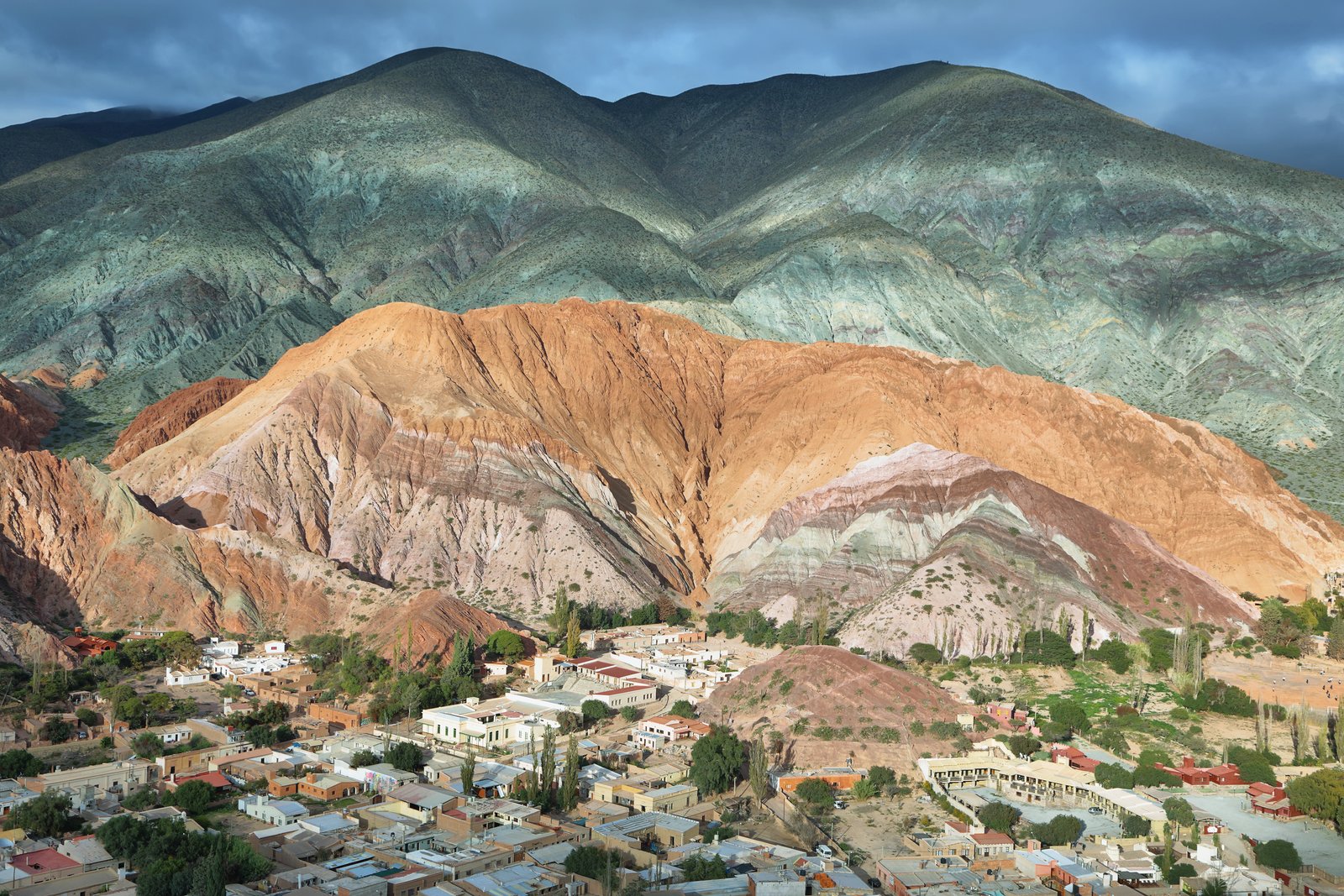
Quebrada de Humahuaca: Complete 2026 Guide — What to See, How to Get There & Where to Stay
Updated guide to the Quebrada de Humahuaca. UNESCO Heritage, towns, routes, accommodation and practical tips for your Jujuy trip.
Read more →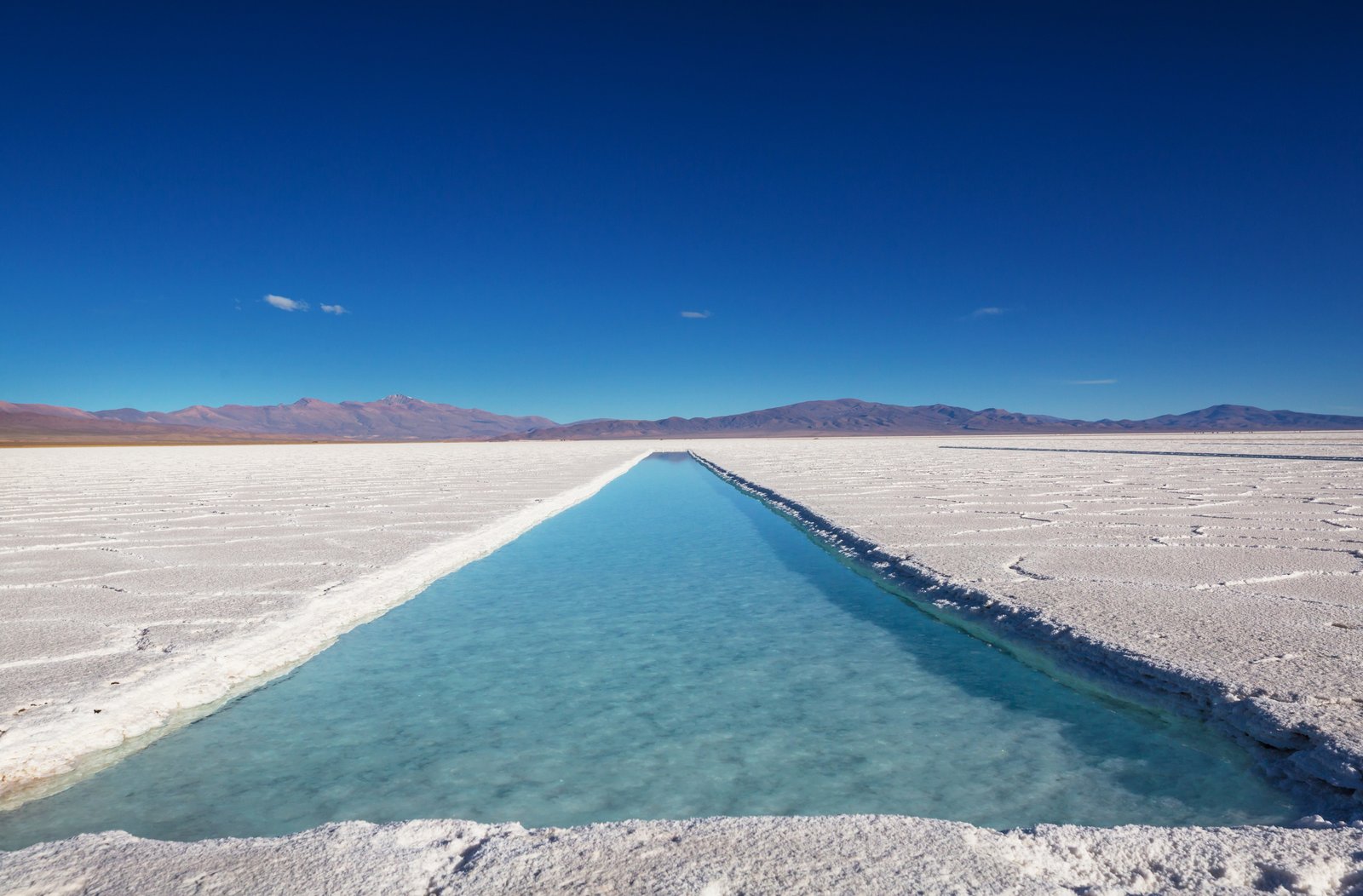
Salinas Grandes: How to Get There, Prices & Practical Tips
Everything about Jujuy's Salinas Grandes: routes, costs, best season, tours and tips for the perfect excursion from Purmamarca.
Read more →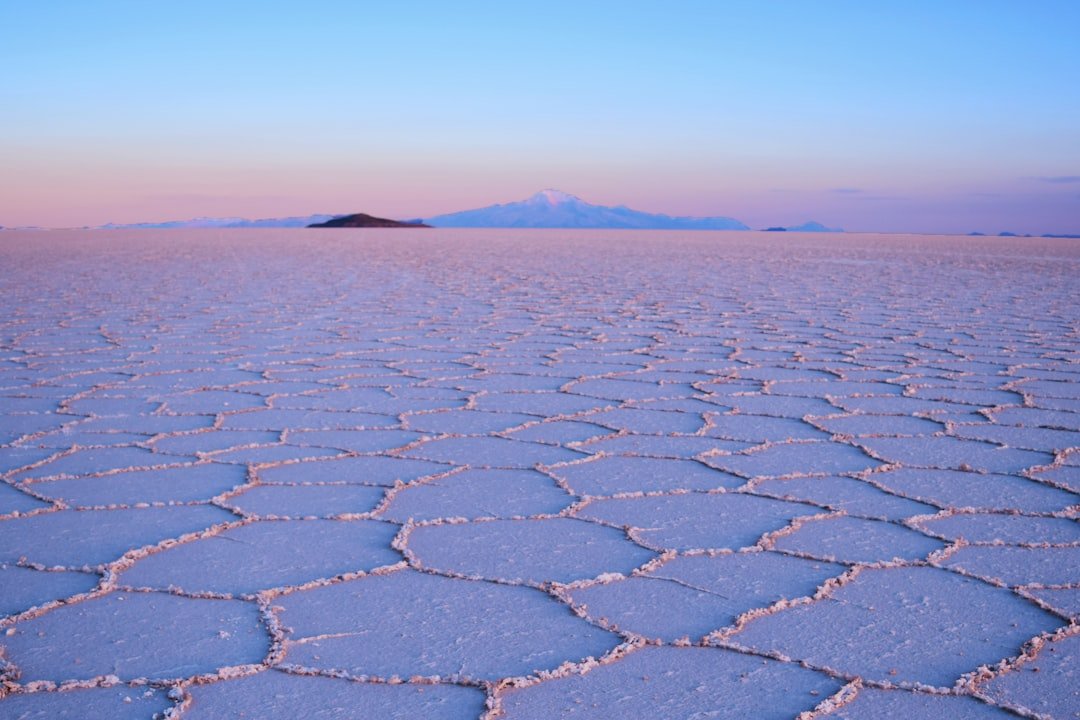
Salinas Grandes Jujuy: Complete Guide — How to Get There, What to See & Responsible Tourism
Complete guide to Jujuy's Salinas Grandes: how to get there from Purmamarca, Lipán pass, indigenous cooperative, best season and practical tips.
Read more →