The Pucará de Tilcara is an ancient stone settlement built on an 80-meter hill where the Río Grande meets the Río Huasamayo, just over 1 km from Tilcara's main square in northern Argentina. It is run by the University of Buenos Aires and opens Tuesday to Sunday from 9:00 AM to 6:30 PM (last entry 5:15 PM); it is closed on Mondays. In October 2026 a general ticket cost ARS 12,000 and included the High-Altitude Botanical Garden. This guide covers its history, from the local Tilcara people and the Incas to the 20th-century reconstruction, how to walk there, what to see inside and how much time to allow.
What Is the Pucará de Tilcara?
"Pucará" is a Quechua word usually translated as fortress, because early archaeologists read the site as a defensive stronghold. Today the view is broader: according to Argentina's National Monuments Commission, recent research shows that although the site sits high above the valley with sweeping views, it has no real defensive features. It was, above all, a large town.
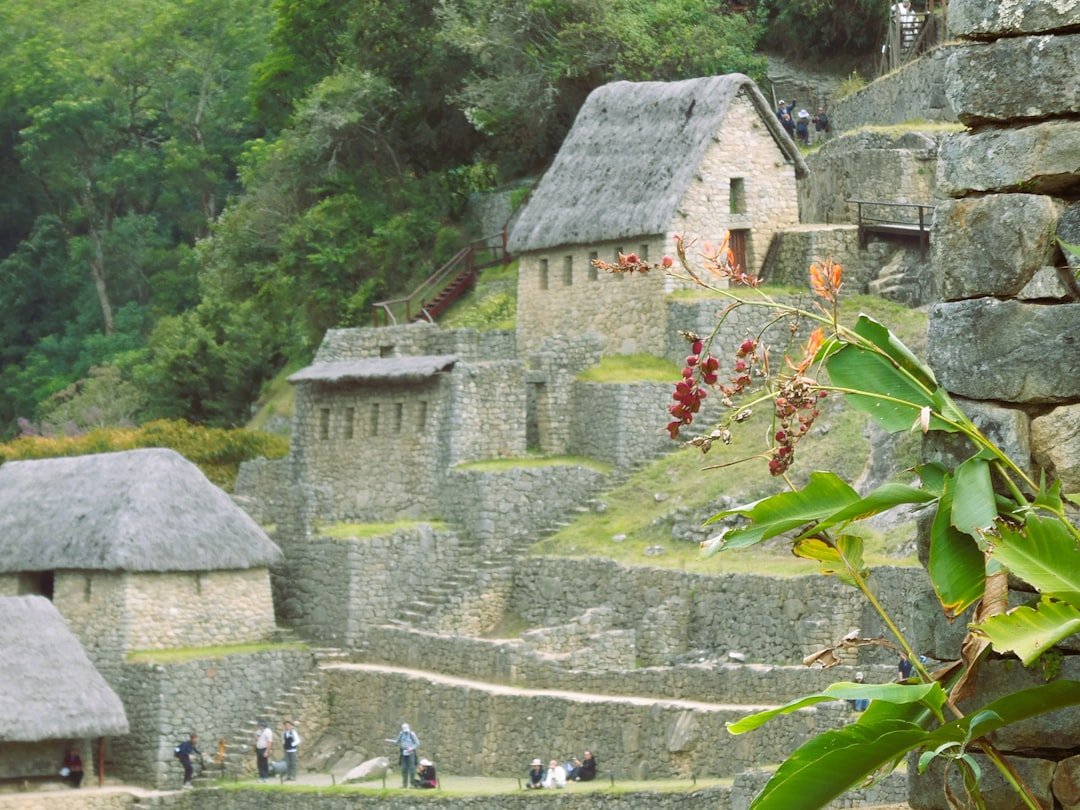
And a big one. It was the largest pre-Hispanic settlement in the Quebrada de Humahuaca, with around 600 rooms and enclosures, most built with double dry-stone walls filled with rubble, grouped into 32 sectors linked by paths. It may have housed more than 2,500 people and at its peak covered about 18 hectares (some 45 acres).
It has been a National Historic Monument since 2000 and is part of the cultural landscape listed as a UNESCO World Heritage Site in 2003. For the Indigenous communities of the Quebrada it is also an "antigal", a place of the ancestors where ancestral powers still dwell, so visit with respect. If you are just starting to plan, see our overview of things to do in Tilcara and our Tilcara destination guide.
History: From the Tilcara People to an Inca Provincial Capital
Dates of origin vary by source. The University of Buenos Aires estimates the town was occupied from the late 11th century AD, while the National Monuments record places its beginnings in the 13th century. What is clear is who lived here: the Tilcara, a political and ethnic group of the central Quebrada, part of the peoples the Spanish called Omaguacas or Humahuacas.
When the Inca Empire (Tawantinsuyu) expanded south, the Pucará changed scale. The Incas remodeled houses, plazas and paths and brought in new building techniques: flagstone floors, wall niches, dressed stones and walls with built-in benches. They also added administrative, productive and religious buildings. Archaeologists now describe the site as the capital of the Inca province, or wamani, of Omaguaca.
Dozens of workshops producing luxury goods in metal and semi-precious stone have been identified, and objects from other parts of the empire suggest the presence of mitimaes (communities relocated by the Inca state) and imperial officials. The Pucará was also a religious center and a stop on pilgrimages that used stretches of the Qhapaq Ñan, the Inca road network, to reach sacred sites such as Sixilera and Punta Corral. It remained inhabited until contact with the Spanish in the 16th century.
Excavations, Reconstruction and the Archaeologists' Monument
Swedish researcher Eric Boman mentioned the site in 1903, the same year Argentine archaeologist Juan Bautista Ambrosetti began to recognize its value. From 1908, the University of Buenos Aires sent yearly expeditions led by Ambrosetti and his student Salvador Debenedetti, who excavated much of the hill. Out of that work came a first: according to Debenedetti, it was the first partial restoration of ruins ever attempted in Argentina.
In 1935 a platform and a truncated pyramid were built on the summit to honor Ambrosetti and Debenedetti. It is the Pucará's most photographed landmark, but it is neither Indigenous nor Inca: it is a modern monument, and building it destroyed part of a plaza, several workshops and possibly an ushnu, an Inca ceremonial platform.
Between 1950 and 1970, archaeologist Eduardo Casanova directed the site's development for tourism, including the reconstruction of several sectors, a vehicle road and other works. None of it was preceded by proper recording of the original structures, and the work is widely debated today: what you see is part original, part mid-20th-century reconstruction. The university is now running a restoration project using local techniques and materials, aiming to recover traditional building methods and conserve the site.
How to Get to the Pucará from the Main Square
The Pucará lies on the edge of Tilcara, across the Río Huasamayo. From the main square it is 1 to 1.2 km, a 15 to 25 minute walk at an easy pace. Follow the signs toward the Pucará to the old iron railway bridge, cross it (it is single-lane and shared with cars, so let vehicles pass) and continue along the road to the ticket office. You will pass a few stalls selling juice and crafts before the entrance.
If you are driving, there is parking in front of the entrance. If you have limited mobility or the sun is fierce, ask for a remis (local taxi) at the square or the bus station.
Getting to Tilcara itself: it is 84 km from San Salvador de Jujuy on National Route 9, about an hour and a quarter by car, with frequent buses from the provincial capital's terminal. If you plan to visit several villages, check our Jujuy car rental options or our guide to the Quebrada de Humahuaca.
Opening Hours, Tickets and Guided Tours
These are the details published by the Centro Universitario Tilcara (University of Buenos Aires), current as of October 2026:
- Open: Tuesday to Sunday
- Hours: 9:00 AM to 6:30 PM
- Last entry: 5:15 PM
- Mondays: closed
- General admission (including international visitors): ARS 12,000
- Argentine residents: ARS 6,000
- Free: retirees, children up to 12, residents of Jujuy province, and University of Buenos Aires staff and students, with ID
- Includes: the High-Altitude Botanical Garden, which shares the grounds and entrance
- Rain: visits are suspended when it rains
Peso prices are updated with inflation, so treat them as a guide and check the official website before you go. Bring cash: travelers in 2025 reported that only cash was accepted.
You can explore on your own, since the paths are signposted and there are information panels (visitors in 2025 also mentioned English signage and an English guide booklet), or join a guided tour with the site's own guides. Tours last about an hour and twenty minutes, in groups of up to 30, and must be booked through an online form the university opens every Monday for that week. In the 2026 schedule there were no guided tours on Sundays, though you could still enter without booking.
What to See Inside the Pucará
At the entrance, an interpretation center screens a short video about the site, a good primer before you climb; ask staff to switch on the English subtitles. From there, two routes lead to the top. The simplest is the wide path from the entrance to the summit; the inner trail is longer and passes more structures.
Guides stop at the key sectors, which you can also look for on your own:
- The memorial space
- The llama corral
- The entrance quarter
- The ceremonial center
- The artisans' quarter and workshop area
- The burial areas, set apart from the houses, one of the site's distinctive features
- The summit, with the 1935 pyramid and a 360-degree view over the Río Grande valley and the colorful hills
Stay on marked paths and do not climb on walls or roofs: it is unsafe and damages a site that is still being studied.
The High-Altitude Botanical Garden
On the same grounds, and with the same ticket, is the Jardín Botánico de Altura. It was created through a 1968 agreement between the University of Buenos Aires and the Jujuy provincial government, designed by Dr. José Santos Gollán and opened in 1970. It covers about 3 hectares at 2,580 meters above sea level, on the alluvial fan of the Río Huasamayo.
It brings together plants from the Quebrada de Humahuaca and the high Puna plateau, arranged in sections: cactus gardens, high-altitude herbs with agaves and grasses, Andean crops, aromatic and medicinal plants, and native trees and shrubs. You will get a close look at the giant cardón (pasacana) cactus, woolly columnar cacti, prickly pears and queñoa trees, along with herbs used in local folk medicine.
Look out for the "bell stone", a 2.5-ton volcanic boulder brought from Cerro Campanario for educational purposes, which rings when you tap it. The garden takes 30 to 45 minutes and is much quieter than the ruins.
The Eduardo Casanova Archaeological Museum
To make sense of the ruins, add the Dr. Eduardo Casanova Archaeological Museum, also run by the University of Buenos Aires, at Belgrano 445 on Tilcara's main square. It displays material from the region and from the Pucará itself, and explains the site's role within the Inca Empire.
- Hours: Tuesday to Sunday, 9:00 AM to 6:30 PM
- Capacity: up to 30 people at a time, so expect a short wait in peak season
- Admission: it is handled separately from the Pucará and the rules have changed several times in recent years; in 2025 and 2026 reviews several visitors said entry was free, so check at the door
Ideally, visit the museum before climbing the Pucará: with the context fresh in your mind, the stone walls tell a much richer story.
How Long to Spend and Practical Tips
Allow an hour and a half to two hours for the Pucará, another half hour for the botanical garden and an hour for the museum. Half a day covers it all comfortably.
- Go early: mornings are cooler and less crowded; July (Argentine winter holidays) and Carnival are the busiest times
- For softer light, the last hour before closing is lovely, but remember last entry is 5:15 PM
- Bring water, a hat, sunscreen and comfortable shoes: there is almost no shade
- Tilcara sits at about 2,460 meters (8,070 ft), so take the slope at your own pace, especially if you have just arrived
- Pair it with the hike to the Garganta del Diablo in Tilcara, perfect for the following morning
If you are staying a few days, see our tips on where to stay in Tilcara.
Frequently Asked Questions
Ready to travel?
Compare hotels, car rentals and tours in Jujuy.
Related Articles
Tilcara: What to See and Do — Complete Guide to the Quebrada's Most Vibrant Town
Complete guide to Tilcara: pre-Inca Pucará fortress, Altitude Botanical Garden, museum, galleries, carnival, where to stay and how to get there.
Read more →
Where to Stay in Tilcara: Best Hotels, Hostels and Cabins
Where to stay in Tilcara, Jujuy: boutique hotels with pools, central hostels and cabins with views. The best areas, plus when to book for peak season.
Read more →Garganta del Diablo, Tilcara: Hike, Waterfall and How to Get There
Hike to Garganta del Diablo in Tilcara, Jujuy: 4 km trail or 8 km drive, elevation gain, 15 m waterfall, community entry fee, best season and what to bring.
Read more →