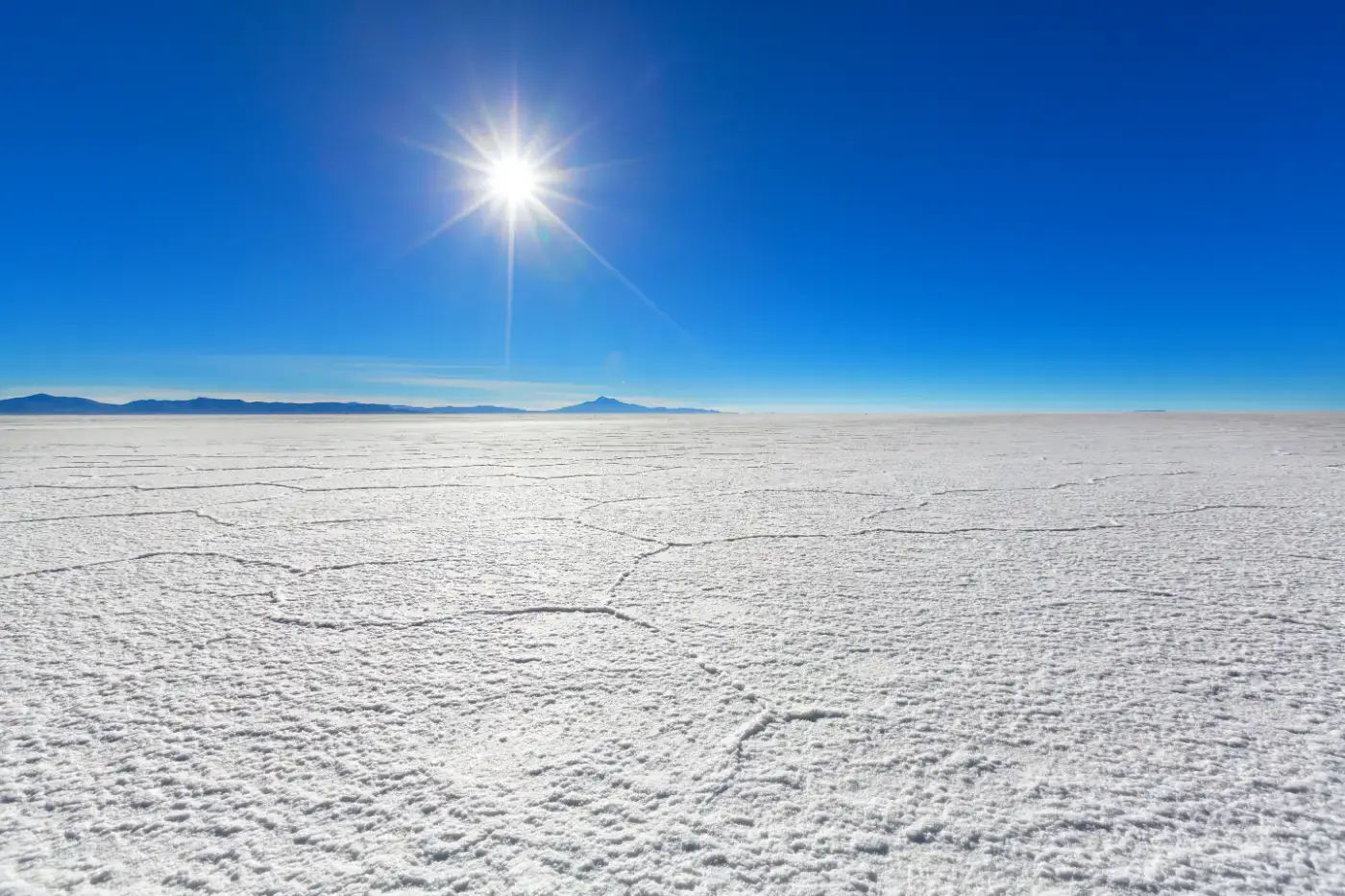
To travel overland from Jujuy to Bolivia's Salar de Uyuni, the world's largest salt flat, take a bus from San Salvador de Jujuy to La Quiaca (about 4 h 30 min to 5 h 20 min) and walk across the international bridge into Villazón, Bolivia. From there you have three options: a direct bus to Uyuni of about 7 hours; a 2 to 3-hour bus to Tupiza to start a 4-day jeep tour that ends on the salt flat; or the Expreso del Sur–Ferrobús train, which in 2026 leaves Villazón once a week, on Thursdays at 2:30 pm, and reaches Uyuni just after midnight. Allow at least a week for the round trip. This guide covers every leg, plus documents, money, altitude, when to see the famous mirror effect and an honest comparison with Jujuy's own Salinas Grandes.
The route step by step: Jujuy to Uyuni overland
The classic route follows Route 9 to its very end and carries on through southern Bolivia:
• San Salvador de Jujuy to La Quiaca: about 290 km (180 miles). Balut and Evelia sell several daily departures online, and El Quiaqueño, Panamericano and Jama Bus also run from the terminal. The trip takes 4 h 25 min to 5 h 20 min.
• La Quiaca to Villazón: you walk across the international bridge in a few minutes, plus however long the line takes.
• Villazón to Tupiza: 2 to 3 hours by bus or minibus.
• Villazón to Uyuni: about 7 hours by direct bus, or the weekly train via Tupiza.
If you are flying in from Buenos Aires or abroad, you first need to reach Jujuy: see how to get to Jujuy. It is a good idea to break the journey with a night in La Quiaca or Yavi, both to gain altitude gradually and to reach the border early. Our guide to Yavi, La Quiaca and the Puna covers places to stay and what to see.
How to walk across the border from La Quiaca to Villazón
This is the busiest land crossing between Argentina and Bolivia, and you do it on foot: Argentine buses terminate in La Quiaca, and Bolivian buses leave from the Villazón terminal, about a 10 to 15-minute walk from the bridge.
How it works:
• Argentina's National Migration Directorate lists the crossing as open from 7 am to midnight.
• You exit Argentina and enter Bolivia; make sure your Bolivian entry is stamped or recorded, or you may face problems and a fine when you leave.
• Waits range from under an hour to four or five hours at peak times. Cross first thing on a weekday and avoid Sundays, public holidays and busy periods such as Easter and New Year.
• On the Bolivian side, money changers work near the bridge. Change only what you need for your first expenses and count your cash carefully.
Don't plan tight connections: if you have a bus or train to catch in Villazón, leave several hours of buffer after reaching La Quiaca.
The Villazón to Uyuni train in 2026: when it runs
Yes, there is a passenger train, but not every day. The Empresa Ferroviaria Andina suspended its trains in 2021 and returned to the line on June 23, 2025 with a single service, the Expreso del Sur–Ferrobús, stopping at Oruro, Uyuni, Atocha, Tupiza and Villazón. The Wara Wara del Sur remains suspended.
The published 2026 timetable:
• Northbound: leaves Villazón on Thursdays at 2:30 pm, reaches Tupiza at 5:20 pm and Uyuni at 12:03 am on Friday, and ends in Oruro at 7:55 am.
• Southbound: leaves Oruro on Mondays at 9:30 pm, calls at Uyuni at 4:23 am on Tuesday and Tupiza at 11:43 am, and reaches Villazón at 4:30 pm.
There is a single fare per leg, paid in bolivianos, and it is usually cheaper than the bus. Tickets are sold at each station's ticket office and online. On board there is heating, blankets and a toilet. With only one departure a week, plan your trip around Thursday and confirm the time at the ticket office a few days ahead, because it can change.
By bus: Villazón to Tupiza or direct to Uyuni
If your dates don't match the train, the bus is the more flexible option:
• To Tupiza: frequent buses and minibuses run throughout the day, taking 2 to 3 hours. This is the best choice if you want the 4-day tour.
• To Uyuni: direct buses leave in the morning and in the afternoon, and the trip takes about 7 hours. Buses also run from Tupiza to Uyuni in about 4 hours.
At the Villazón terminal you pay a small terminal fee before boarding. In 2026, Bolivia's diesel shortage reduced frequencies on some long-distance routes, so buy your ticket the day before and keep a spare day in your itinerary. Avoid traveling at night where possible: roads in southern Bolivia have little policing and sometimes loose animals.
The 3 or 4-day jeep tour from Tupiza
Coming from Argentina, the most logical way to see the salt flat is the 4-day, 3-night tour that starts in Tupiza and ends in Uyuni. In a 4x4 you cover some 1,000 km (620 miles) of the Sud Lípez region: red canyons, abandoned mining villages, volcanoes and the colored lagoons of the Eduardo Avaroa reserve, with flamingos and geysers. On the last day you leave before dawn to watch the sunrise over the Salar de Uyuni, visit Isla Incahuasi with its giant cacti, Colchani and the train cemetery, and finish in Uyuni around midday.
What to know:
• Price: in 2026, Tupiza agencies advertised between US$220 and US$400 per person, depending on group size and service level. It usually includes a Spanish-speaking driver-guide, basic shared lodging and meals; an English-speaking guide normally costs extra.
• Entry fees: the reserve and some sights are paid separately in cash along the way.
• Altitude: you sleep above 4,000 m (13,100 ft) and reach about 5,000 m (16,400 ft). Some agencies do not accept children under 8, or travelers over 65 without a medical certificate.
• The upside: for the first days you see far fewer vehicles than on the circuit that starts in Uyuni.
If you reach Uyuni by bus or train, you can also take the classic 3-day tour from there, or a one-day trip on the salt flat alone.
Documents, money and altitude
Documents:
• United States: since December 2025, U.S. citizens no longer need a tourist visa. You need a passport valid for at least six months and the address where you will stay.
• United Kingdom and Australia: no visa needed. Australia's Smartraveller notes an initial stay of 30 days, extendable to 90 days per year.
• Bolivia also has an online immigration registration, SIGEMIG; if you haven't done it, officials register you at the border.
• A yellow fever certificate is mainly required for tropical lowlands rather than the Altiplano, but some checkpoints may ask for it.
• Argentine citizens only need their national ID card.
Money: Bolivia uses the boliviano. Bring U.S. dollars in clean, undamaged bills and some local currency for your first expenses. There are ATMs in Tupiza and Uyuni, but they can fail, and tours, entry fees and hot showers are paid in cash.
Altitude: Villazón sits at about 3,440 m (11,290 ft), Tupiza at about 2,950 m (9,680 ft) and Uyuni at about 3,660 m (12,000 ft), while the tour tops out near 5,000 m. Lower Tupiza is a good place to rest before the tour. Nights are freezing: Uyuni's average July low is around −10 °C (14 °F). If you have just arrived from sea level, read our guide to acclimatizing to altitude in Jujuy before you head up.
Salinas Grandes or Uyuni: an honest comparison
Both are white salt flats on the high Andean plateau, but they are less alike than they look:
• Size: Salinas Grandes covers 212 km² (82 sq miles) and Uyuni 10,582 km² (4,086 sq miles), about 50 times larger. From the middle of Uyuni you cannot see the edge.
• Altitude: about 3,450 m (11,319 ft) at Salinas Grandes and about 3,650 m (11,975 ft) at Uyuni.
• Time needed: Salinas Grandes is a half-day trip from Purmamarca, 66 km (41 miles) away on a paved road. Uyuni needs at least six or seven days round trip from Jujuy once you add transfers, the border and the tour.
• Experience: at Salinas Grandes you take a short walk with community guides around the salt-extraction pools. At Uyuni you drive for hours across the salt, visit cactus islands, take the classic perspective photos and, on the tour from Tupiza, add lagoons, volcanoes and geysers.
• Logistics: Salinas Grandes is a simple excursion with no border. Uyuni means another country, another currency, rougher roads and very cold nights.
Our take: with one week in northern Argentina, stick with Salinas Grandes and the Quebrada; you can book it through our Jujuy tours page. With two weeks or more, or if you are traveling on through Bolivia, Uyuni is worth it. Our complete Salinas Grandes guide has the details to help you decide. You can also reach Uyuni from Chile on a tour from San Pedro de Atacama, after crossing from Jujuy to San Pedro de Atacama over the Jama Pass.
Safety and the rainy season: the mirror effect
Safety: southern Bolivia sees backpackers all year, and the Villazón–Tupiza–Uyuni route is well traveled by tourists. In August 2026 the U.S. State Department kept Bolivia at Level 2 of its four-level scale (exercise increased caution) because of crime and unrest; the only no-go area is the Chapare, far from this route. The most practical risk is road blockades during protests, which can cut routes for hours or days. In September 2026 the UK government reported that a state of emergency was in force, so follow local news. On tours, pick well-reviewed agencies, check that the vehicle is in good condition and carries oxygen, and never accept a driver who has been drinking. In an emergency, the nearest medical care can be three or four hours from the salt flat.
Rain: the wet season runs roughly from November or December to March. A thin layer of water turns the salt into a giant mirror, the famous mirror effect. It is most likely from mid-January to late February, Uyuni's wettest months, though it is never guaranteed. Bear in mind:
• With water on the flat, Isla Incahuasi is usually cut off and some routes change.
• Rain can block roads and delay buses and trains.
• Canada's travel advice warns that the salt flats become dangerous in the rainy season, so go only with agencies that know the terrain well.
From May to November the flat is dry: you see the salt hexagons and the lagoon circuit is open, with bitterly cold nights. To fit it around the rest of the north, see our guide to the best time to visit Jujuy.
Frequently Asked Questions
Ready to travel?
Compare hotels, car rentals and tours in Jujuy.
Related Articles
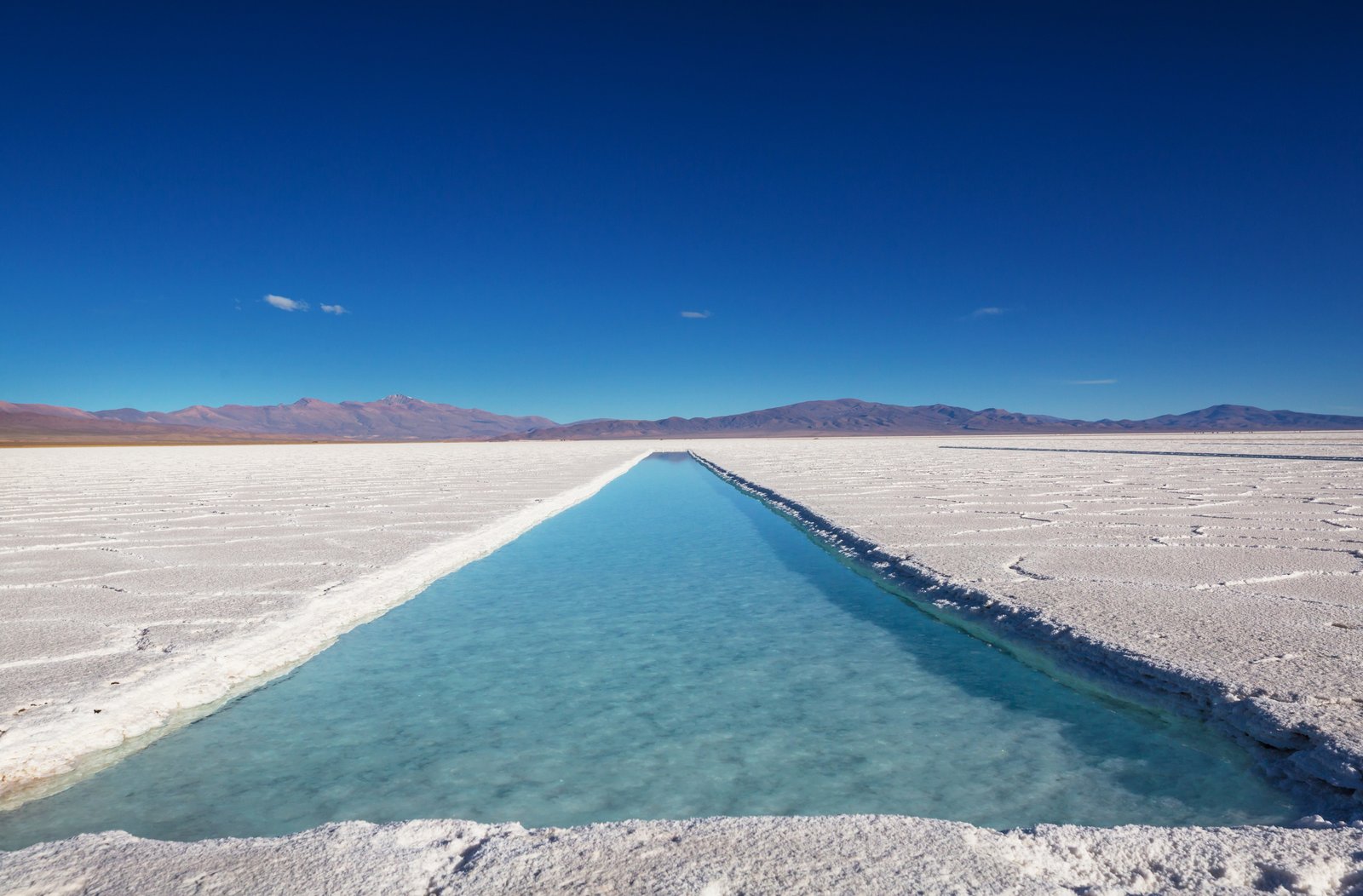
Salinas Grandes: How to Get There, Prices & Practical Tips
Everything about Jujuy's Salinas Grandes: routes, costs, best season, tours and tips for the perfect excursion from Purmamarca.
Read more →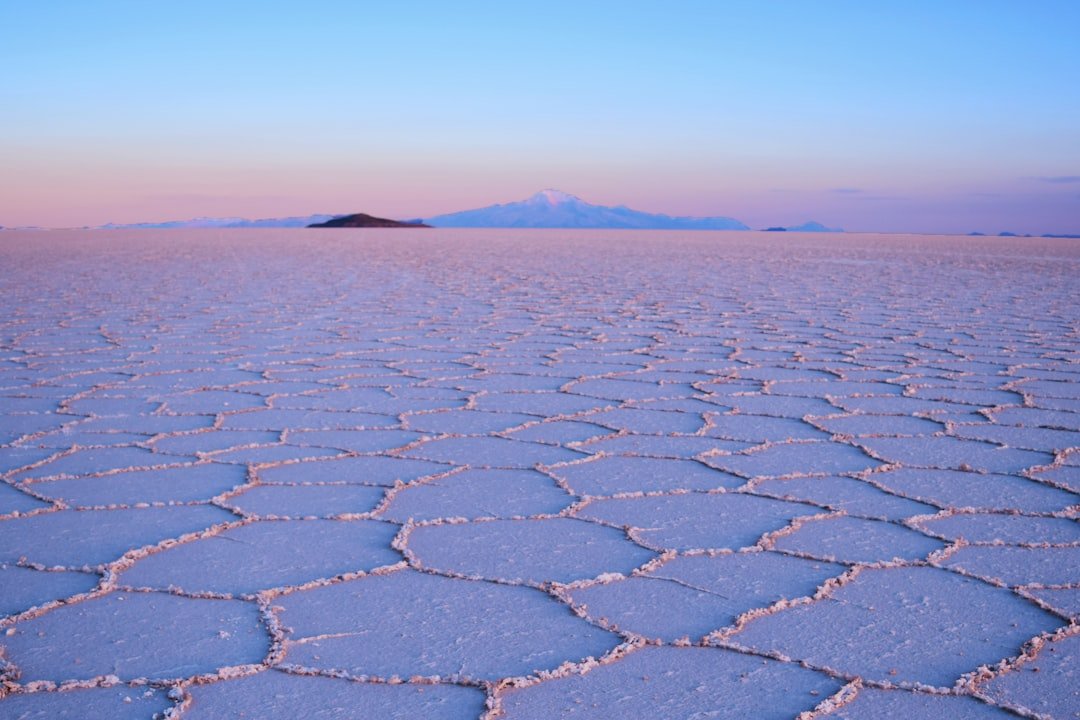
Salinas Grandes Jujuy: Complete Guide — How to Get There, What to See & Responsible Tourism
Complete guide to Jujuy's Salinas Grandes: how to get there from Purmamarca, Lipán pass, indigenous cooperative, best season and practical tips.
Read more →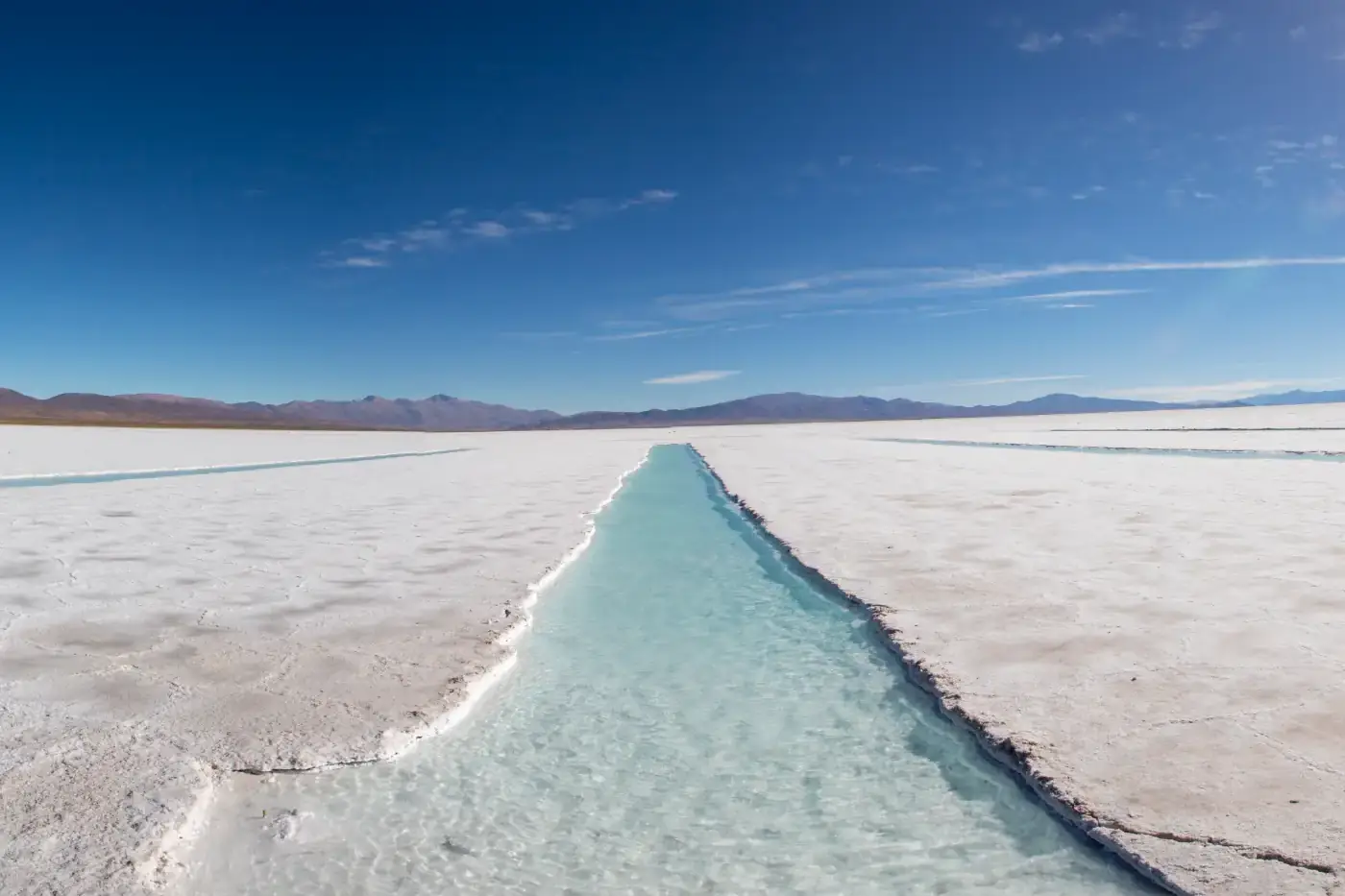
Purmamarca to Salinas Grandes: Driving the Cuesta de Lipán (2026)
Purmamarca to Salinas Grandes is 66 km on paved RN 52 over the 4,170 m Cuesta de Lipán. Drive time, altitude tips, tours, buses and onward to Chile.
Read more →