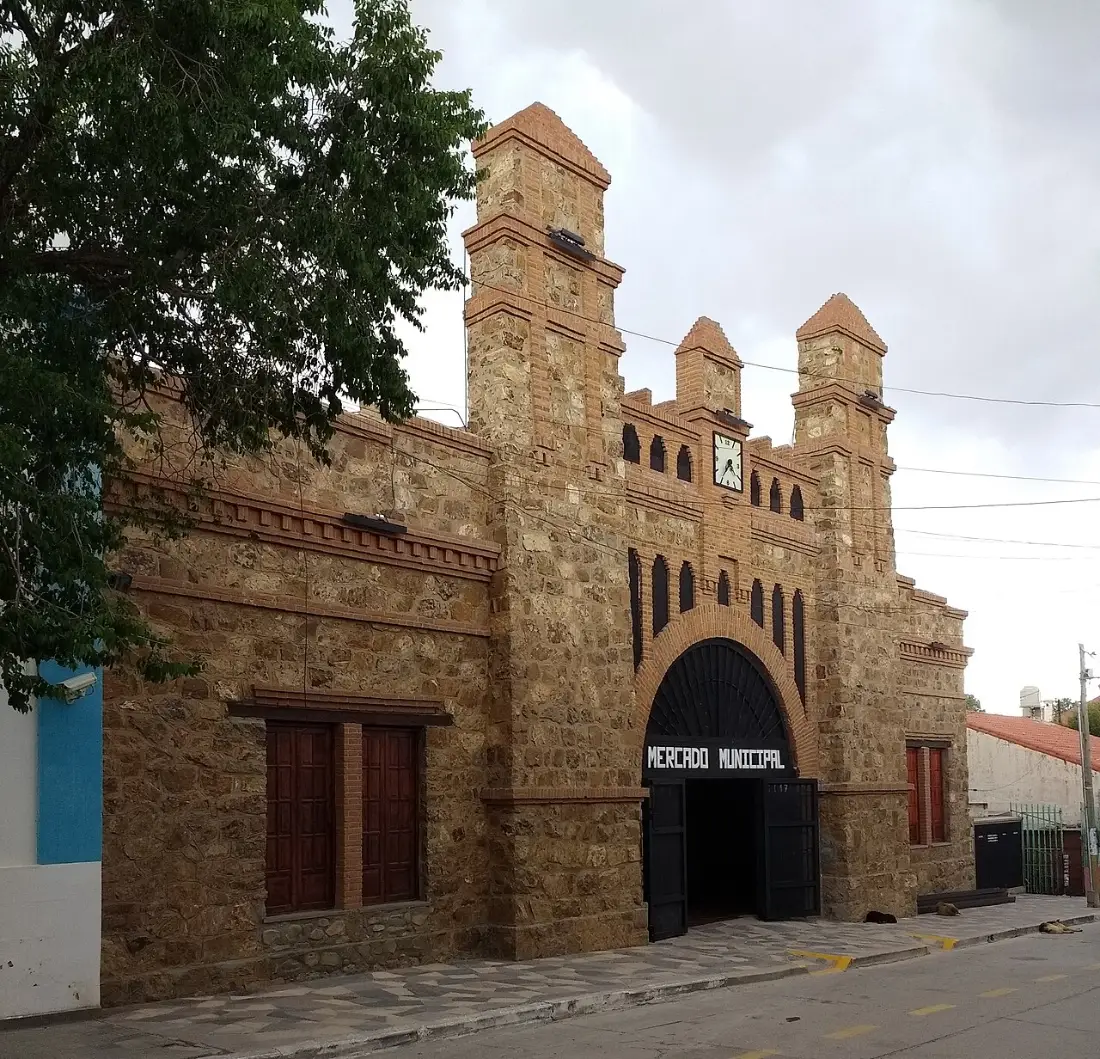
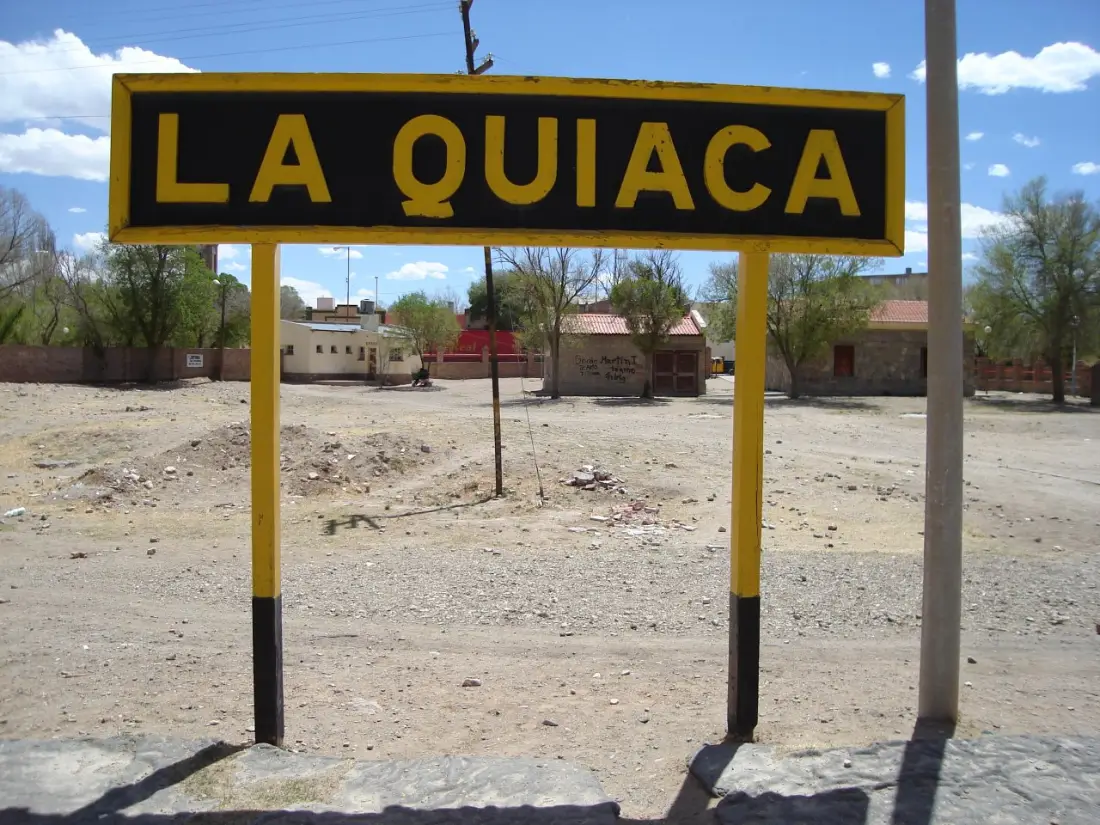
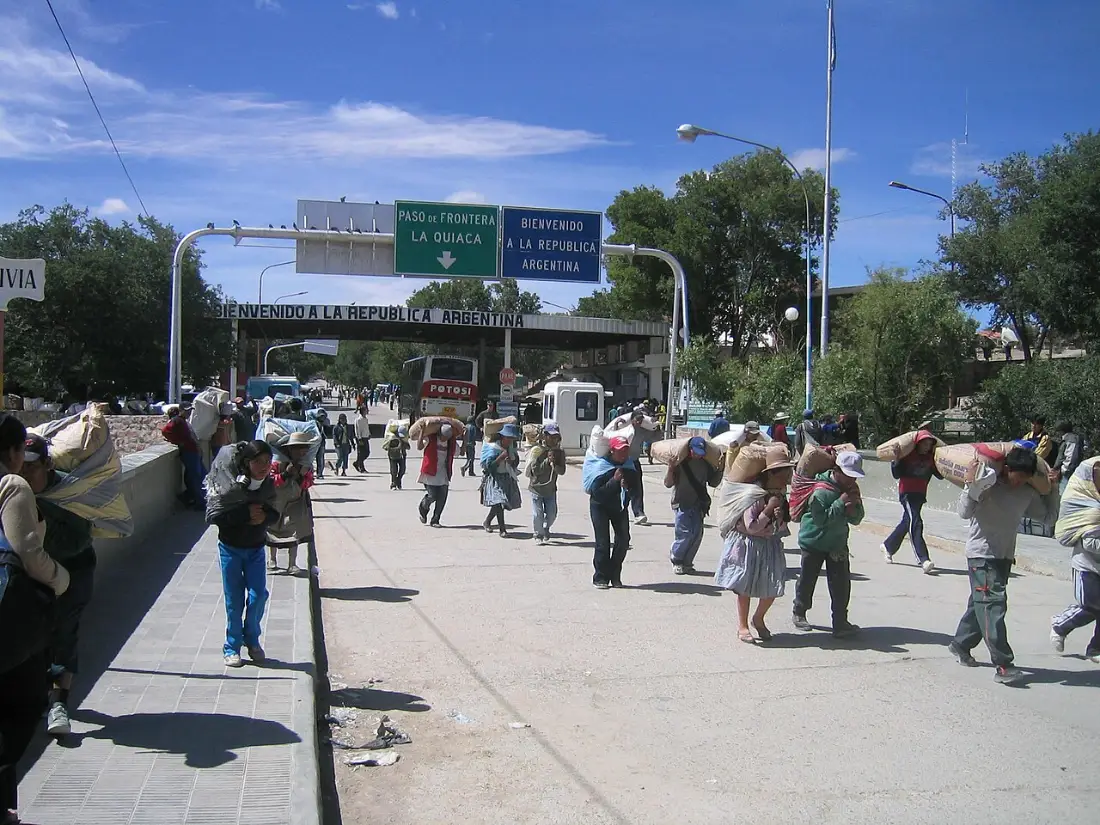
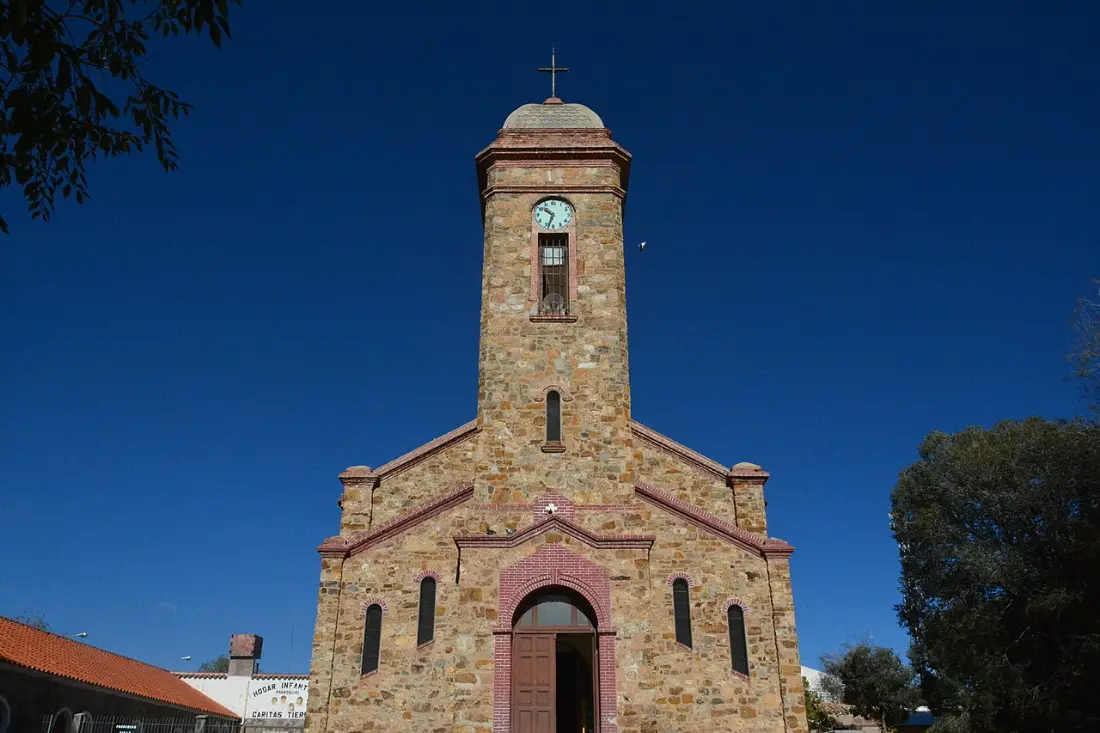
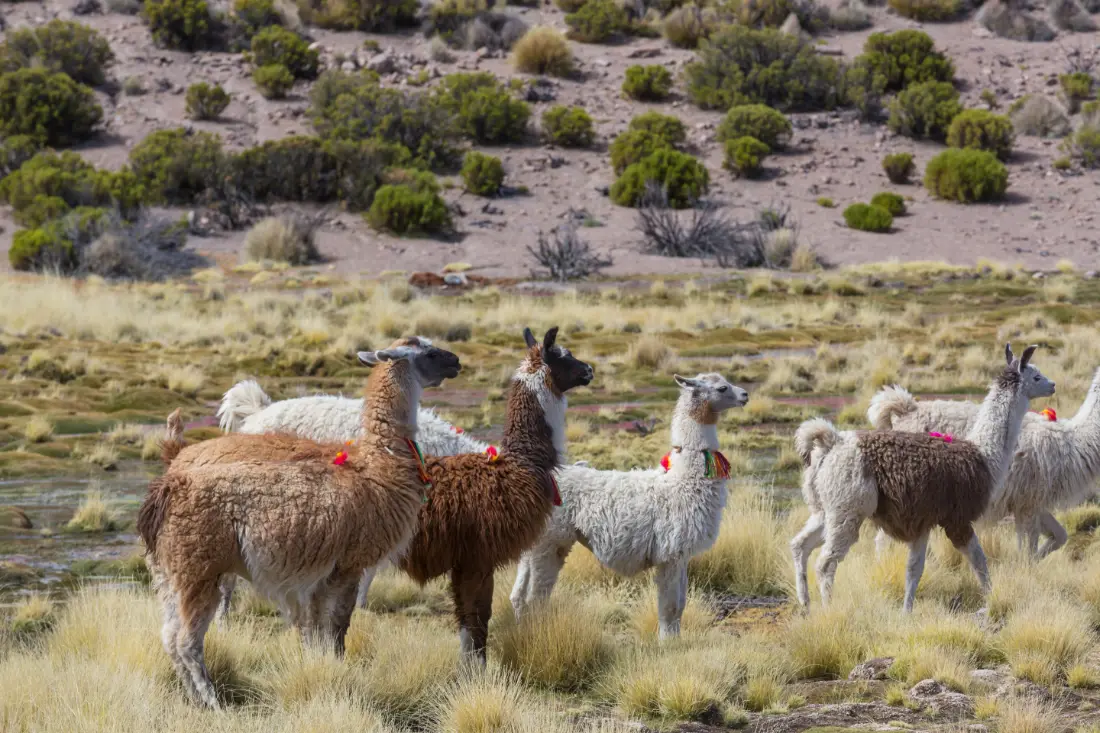
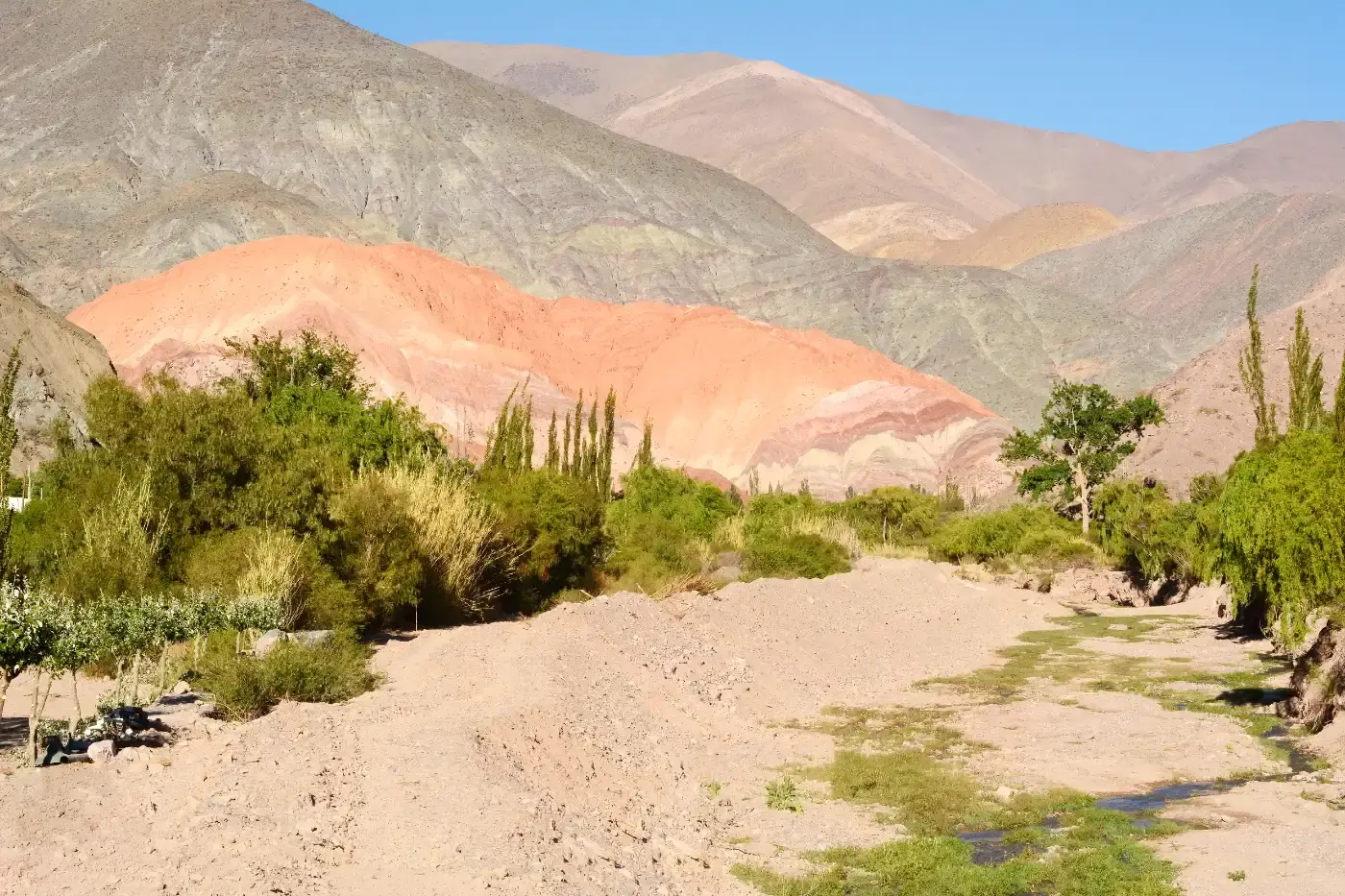
The Manca Fiesta, also spelled Manka Fiesta and known as the festival of the pots, is an Andean barter fair held every October in La Quiaca, the Jujuy Puna town at 3,442 metres (11,293 ft) on the border with Villazón, Bolivia. Its traditional date is the third Sunday of October: in 2026 the main days were Saturday 17 and Sunday 18 October, within a programme running from 16 to 25 October. In 2027 the third Sunday falls on 17 October, so the core of the fair is expected on Saturday 16 and Sunday 17; La Quiaca's town council announces the exact dates, usually in late September or early October.
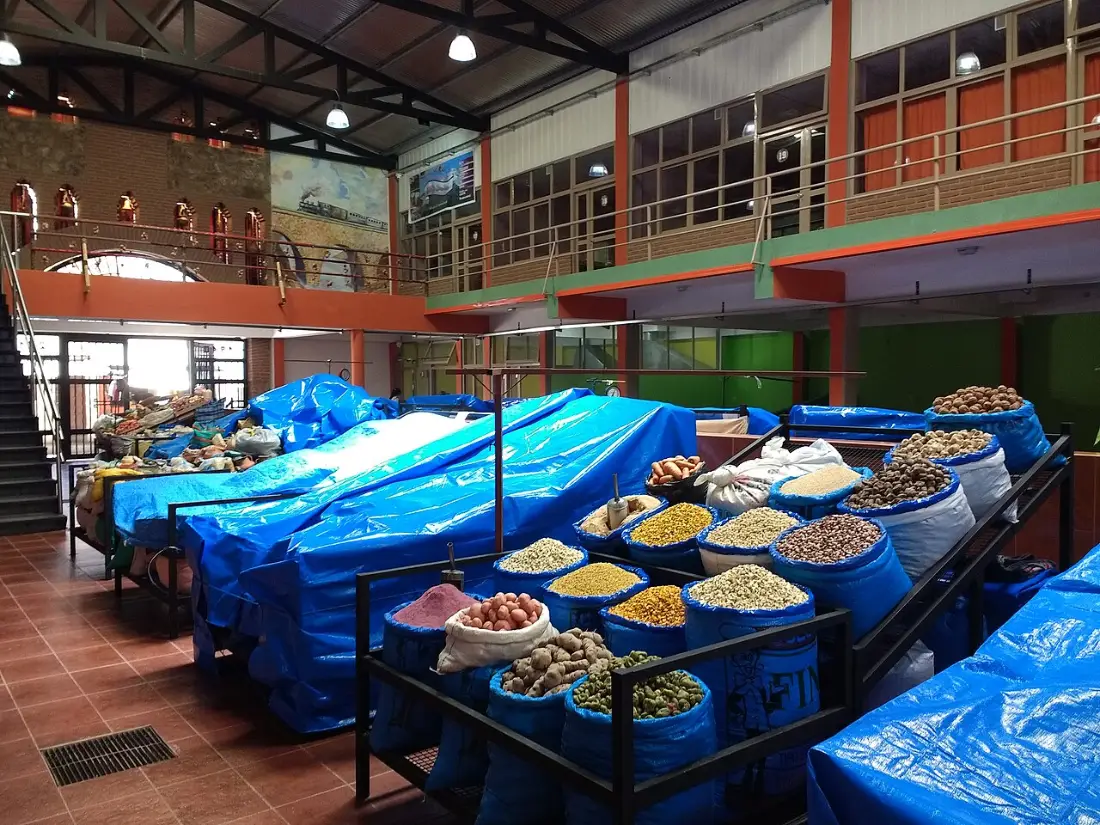
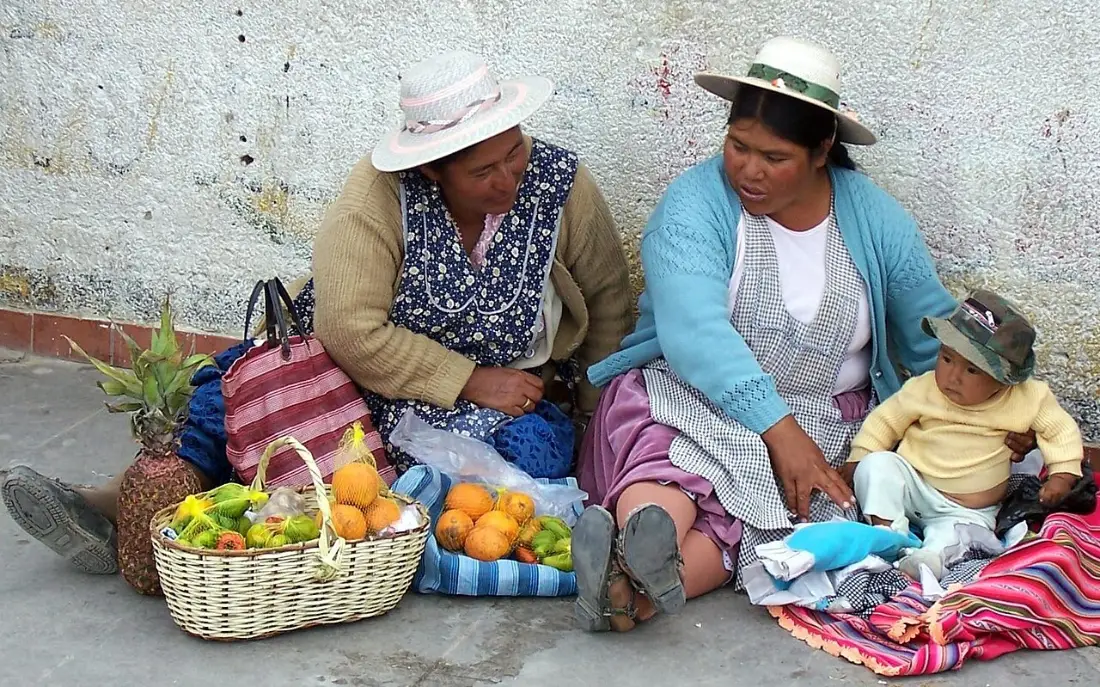
Over those days, producers from the Puna, the Quebrada, the valleys and southern Bolivia come to swap clay pots, dried meat, potatoes, salt and dried fruit, in a tradition the town council calls the oldest Andean fair in Argentina. Entry is free. This guide covers what the fair is, what gets traded, how to get there, where to stay and how to handle the altitude and the cold.
What the Manca Fiesta is and where the name comes from
Manka means pot in Quechua, and pottery is the star of the show. According to La Quiaca's town council, the fair dates back to before the Incas reached the region in the 15th century, and it is one of the trade circuits that still links northern Jujuy with southern Bolivia.
In 2019 Argentina's national Ministry of Culture added it to its list of Jujuy's intangible cultural heritage, at the proposal of the provincial heritage office. It describes the fair as one of the oldest gatherings in the Puna: for several days, hundreds of traders from all over the province and southern Bolivia barter to get what they can't produce at home. You can also simply buy. The province, for its part, recognises it as Living Cultural Heritage.
The fair has changed over time. Barter used to be a way of getting through the year; today it mixes with music, food, sport and tributes. But the swapping, which traders call cambio or cambalache, carries on.
Altitude and cold: how to prepare
La Quiaca is at 3,442 metres. If you come straight up from the provincial capital (1,259 m) or from Buenos Aires, you will very likely feel the altitude, known locally as apunamiento or soroche: headache, fatigue and shortness of breath. Ideally spend one or two nights first in Tilcara or Humahuaca, drink plenty of water, eat light and skip alcohol on the first night. Our Jujuy altitude guide lists the height of every town.
October is spring, but in the Puna that doesn't mean warm. According to Argentina's National Weather Service climate normals (1981–2010), La Quiaca averages:
- October: high 21.1 °C (70 °F) / low 2.8 °C (37 °F), rainfall 16 mm.
The midday sun is fierce and at night the temperature drops close to freezing, often with wind. Pack a warm jacket, hat, gloves, sunscreen, sunglasses and lip balm. The summer rains haven't arrived yet, so dry days and clear skies are the norm.
Ready to travel?
Compare hotels, car rentals and tours in Jujuy.