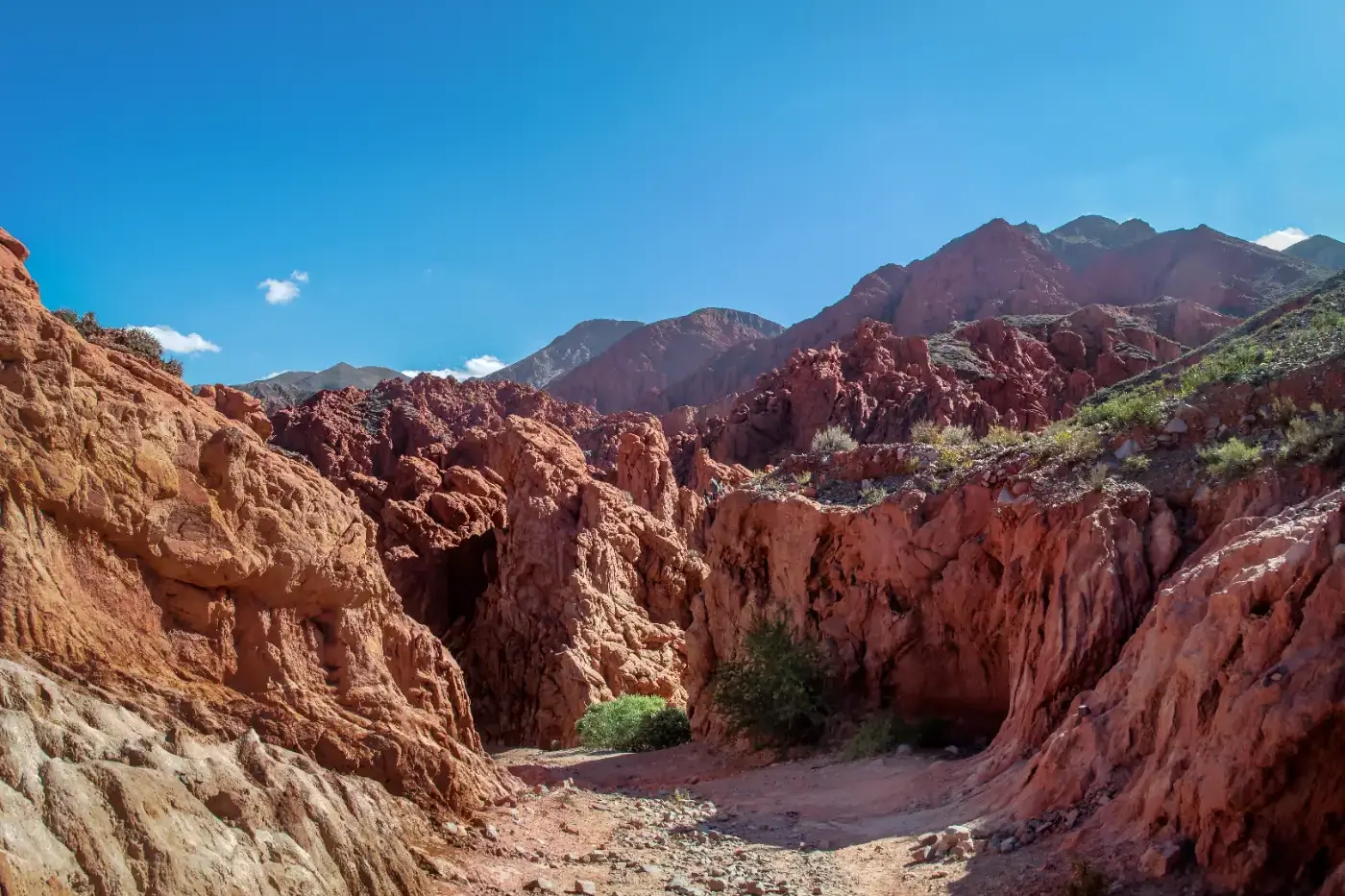
Uquía is a small village in Argentina's Quebrada de Humahuaca, in Jujuy province, sitting at 2,818 m (9,245 ft) on Route 9, about 12 km south of Humahuaca and 30 km north of Tilcara. There are two reasons to stop. The first is the Church of San Francisco de Paula, built in 1691 and a National Historic Monument, which holds nine 17th-century Cuzco School paintings of angels armed with arquebuses. The second is the Quebrada de las Señoritas, a red-rock canyon you hike with a local guide on walks of 90 minutes to four hours. The church takes half an hour, and the hike fills a morning. This guide covers the story behind the angels, what the trail is like, how to get there, where to eat and stay nearby, and where to taste the area's extreme-altitude wines.
Uquía at a glance: location and altitude
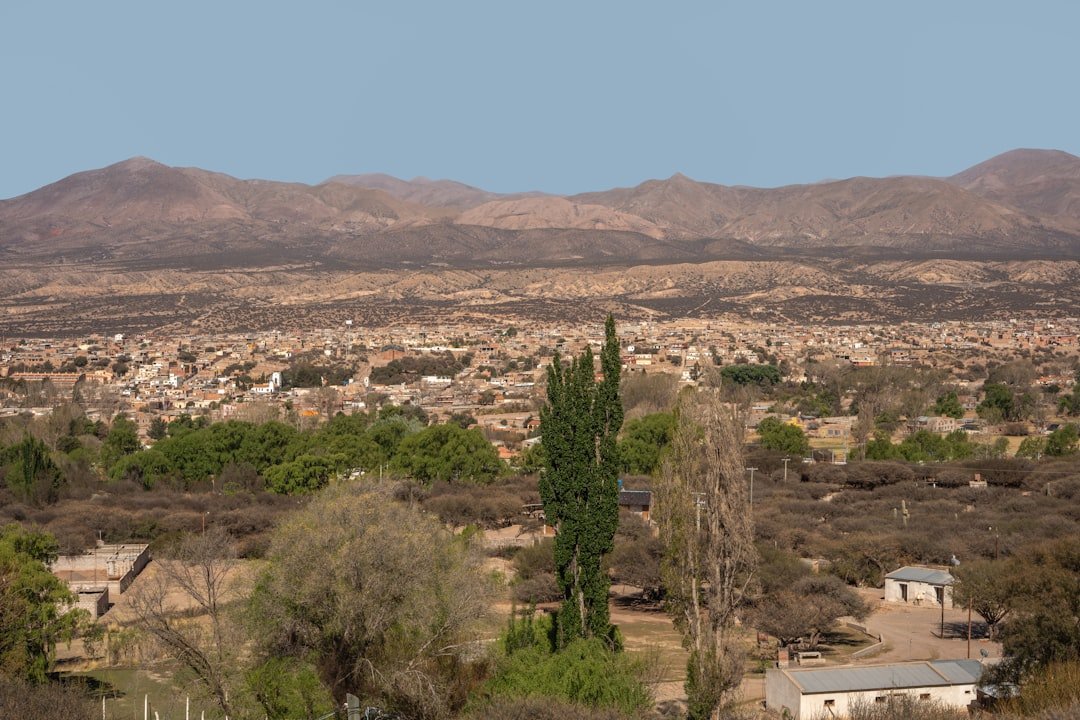
Uquía sits in the northern stretch of the Quebrada, between Huacalera and Humahuaca, at the foot of red hills and the pale Cerro Blanco. It's just a few blocks of adobe houses, a square with the church and a craft market facing the highway.
- Altitude: 2,818 m (9,245 ft) above sea level.
- Location: on Route 9 (RN 9), in the Quebrada de Humahuaca.
- Distance to Humahuaca: about 12 km (7 miles).
- Distance to Tilcara: about 30 km (19 miles).
- Distance to San Salvador de Jujuy: about 115 km (71 miles).
- Highlights: the Church of San Francisco de Paula, the Quebrada de las Señoritas and the craft market.
At almost 2,900 m, the sun is fierce and the air is dry. If you're flying in from sea level, visit Uquía after a couple of nights in the Quebrada rather than on day one. Uquía is part of Humahuaca department, so our Humahuaca destination page is useful too.
The Church of San Francisco de Paula: history
Its full name is the Chapel of the Holy Cross and San Francisco de Paula. According to Argentina's National Monuments Commission, the first records date from 1691, when the priest Domingo Vieyra de la Mota reported that he had begun building a chapel in the settlement of San Francisco de Paula de Uquía. The village itself had grown up in the second half of the 17th century as part of the Humahuaca encomienda, the colonial labor grant system.
From outside it's plain, like the other churches of the Quebrada:
- A single nave facing east, with a walled forecourt.
- Adobe walls a meter (3 ft) thick.
- A pitched roof with a ceiling made of cardón cactus wood, finished with packed mud.
- A bell tower standing apart from the church.
Inside, the surprise is the gilded main altarpiece, with three vertical sections and three tiers, believed to have been donated in 1699 by Lázaro Murueta, Jujuy's deputy governor and protector of the Uquía people.
The church has been a National Historic Monument since 1941. Around that time the top of the tower was changed from an adobe dome to the concrete pyramid you see today. The last major restoration was completed in 2021, and the mud roof now gets yearly maintenance. The patron saint festival is held every May 3, the Feast of the Holy Cross.
The arquebusier angels and the Cuzco School
Uquía's treasure is a series of nine canvases of arquebusier angels, attributed to 17th-century workshops of the Cuzco School. At the time, Cuzco in present-day Peru was the main source of religious painting for the whole Viceroyalty of Peru, and its workshops employed Indigenous and mixed-race artists who blended European models with their own vision.
These angels look nothing like the cherubs of European churches. They wear plumed hats, brocade coats, lace shirts and silk ribbons, dressed like Spanish nobles and soldiers of the day. Several hold or load arquebuses, the early firearms of the period, in poses copied from a 1607 Dutch military drill manual by Jacob de Gheyn.
- How many: nine canvases, each with the angel's name painted on it.
- Who they are: Gabriel and Raphael from the Bible, plus angels from apocryphal traditions such as Uriel and Eliel.
- What they carry: five have arquebuses (three holding them, two loading them); the others hold a halberd, a drum, a flag or a shield.
- A detail to look for: a garland of roses frames each figure, a feature of the Uquía series.
Only a handful of series like this are known in South America's Southern Cone: Uquía, Casabindo in Jujuy's high Puna, and Calamarca in Bolivia. That's why this small church is one of the most important cultural stops in the Quebrada.
Visiting the Uquía church
The visit is short and simple, but there are a few rules:
- Entry: there's no fixed ticket; you're asked for a voluntary donation toward upkeep.
- Photos: photography and filming are not allowed inside, to protect the paintings, and staff do enforce it.
- Etiquette: this is a working church. Take off your hat, keep your voice down and don't interrupt anyone praying.
- Time: 20 to 30 minutes is enough.
- Hours: it opens during the day, but there are no official published hours and they can change around Mass or festivals. Mornings and early afternoons are your best bet.
Across from the church, the craft market by the highway sells weavings, ceramics and souvenirs. In August the village also holds its own Pachamama ceremony. If you're visiting in February, Uquía also holds its own descent of the devils from Cerro Blanco during the Quebrada Carnival, with a more family feel than Humahuaca or Tilcara.
Quebrada de las Señoritas: the hike
Behind the village, to the west, lies the Quebrada de las Señoritas: a maze of red sandstone walls, giant cardón cacti and multicolored hills that has become one of the most popular short hikes in Jujuy. The name comes from rock formations your guide will point out, along with the local legend behind them.
- Trailhead: just over 1 km from the church along a dirt road out of the village. There's parking and a booth where the guides wait. You can drive or walk there.
- Guide required: you can only hike with a local guide, hired at the entrance with no advance booking. There's also a small entry fee.
- Short loop: about 90 minutes. It enters a narrow red-walled canyon that opens into a natural amphitheater. Easy, and fine for kids who are used to walking.
- Long loop: 3 to 4 hours. It includes the short loop and adds a viewpoint, caves and tight passages between the rocks. Moderate, with roughly 200 to 300 m (650 to 1,000 ft) of elevation gain.
- Altitude: between about 2,850 and 3,050 m (9,350 to 10,000 ft).
- Rough costs: in September 2026, travelers reported around ARS 9,000 per person for the short guided walk and ARS 16,000 for the long one. Bring cash in pesos.
Guided groups start early, and mornings are best, before the heat and the afternoon wind. Carry at least a liter of water per person, a hat, sunscreen and shoes with good grip. There's almost no shade on the trail.
How to get to Uquía
Uquía sits right on Route 9, the road that links every village in the Quebrada, so it's easy to work into a day of sightseeing.
- By car: from San Salvador de Jujuy it's about 115 km on paved Route 9, a little under two hours. It's about 30 km from Tilcara and 12 km from Humahuaca. If you want the freedom to pair it with the Hornocal, check our car rental options in Jujuy.
- By bus: buses from San Salvador de Jujuy to Humahuaca stop in Uquía, on the highway near the square. There are also local services between Tilcara and Humahuaca.
- By taxi: from Humahuaca it's a short ride, handy if you're doing the hike and don't want to rely on bus times.
- On a tour: many full-day Quebrada tours stop in Uquía for the church, though few leave time for the Quebrada de las Señoritas.
Note that the solar train doesn't come this far. Its line ends in Tilcara, as explained in our Tren Solar de la Quebrada guide.
Where to eat in and around Uquía
The choice is small but good. These are places we were able to confirm:
- Cerro Las Señoritas (Viltipoco street, Uquía): a family restaurant with very few tables, run by its owner, serving home-style regional food such as kid goat, lamb, Andean potatoes and fresh pasta. It opens at lunchtime and fills up, so book ahead.
- The craft market and village stalls: for something quick, such as empanadas, griddle bread, goat cheese or juice, especially near the trailhead.
- Q'isa, at Viñas de Uquía (Chucalezna, Route 9): the winery's restaurant, cooking with produce from its organic garden and pairing dishes with its wines. It's open to non-guests too.
- Restaurante Monterrey, at Hotel Huacalera: creative Andean cooking by Jujuy-born chef Walter Leal, with a list of high-altitude wines.
For what to order, see our guide to traditional food in Jujuy.
Where to stay near Uquía
The village itself has few beds, mostly cabins and family guesthouses. Close by on Route 9 there are two places with real character:
- Viñas de Uquía (Chucalezna, Route 9 km 1799): despite the name, it's in Chucalezna, a few minutes south of the village. It's a sustainable mountain inn with five rooms, solar heating and wood stoves, next to the winery and Q'isa restaurant. The entrance crosses the Río Grande over a concrete ford, so ask about access during the rainy season.
- Hotel Huacalera (Huacalera, Route 9 km 1790): a boutique hotel in a 1940s neocolonial house that was once part of the Monterrey estate. It has gardens, a pool, an organic vegetable garden and rooms with terraces or balconies facing the hills. It's about 15 km south of Uquía.
If you'd rather have more services, Humahuaca is a quarter of an hour away and has hotels, hostels and cabins, compared in our guide on where to stay in Humahuaca. You'll need a car for both rural options.
Uquía's high-altitude wine
Uquía also has a place on Argentina's wine map. Viñas de Uquía, the project of Claudio Zucchino, grows some of the highest vineyards in the Americas: its Moya vineyard sits at 3,329 m (10,922 ft), more than 1,000 m above Mendoza's highest vines.
Its wines are small-batch and sold under two labels, Uraqui and Kenti. The Uraqui wines age in the Cava Mina Moya, an old mine tunnel at almost 4,000 m (13,100 ft), where the rock keeps a steady temperature with no refrigeration.
These are some of the experiences the winery offers:
- A vineyard walk with a tasting.
- A tasting flight of the four house wines.
- A seasonal lunch at Q'isa, with vegetarian, vegan and gluten-free options.
- A visit to the mine cellar with a snack board and a wine still aging. You get there by pickup truck on mountain roads.
Visits are arranged with the winery by WhatsApp. To plan a full Quebrada wine route, from Maimará to Uquía, read our guide to Jujuy's high-altitude wineries.
Frequently Asked Questions
Ready to travel?
Compare hotels, car rentals and tours in Jujuy.
Related Articles
Altitude Sickness in Jujuy: How to Acclimatize and Not Ruin Your Trip
Practical guide to preventing and treating altitude sickness in Jujuy. Exact altitudes, day-by-day protocol, medications and warning signs.
Read more →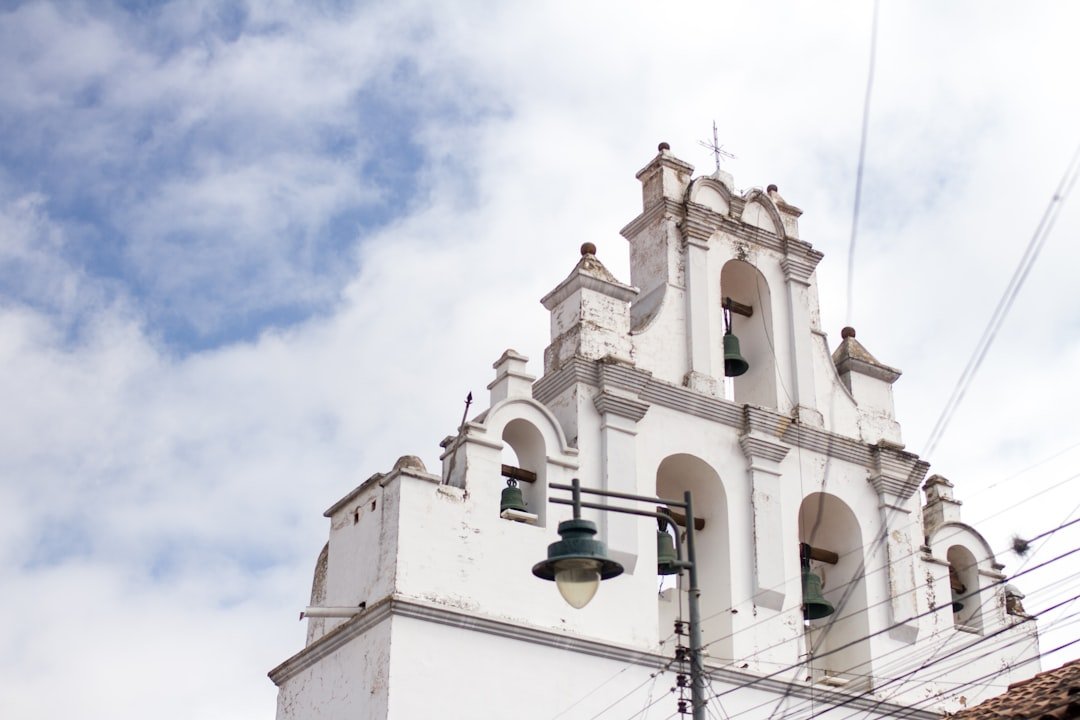
Humahuaca: What to See in the Quebrada's Main Town — Square, Town Hall and Andean Carnival
Guide to Humahuaca: the Cabildo with El Señor de la Sala, Independence Monument, crafts, Andean copla singing and the most authentic carnival in northwest Argentina.
Read more →Where to Stay in Humahuaca: Hotels, Hostels, Cabins and Uquía
Hotels in Humahuaca, cabins and hostels close to the Hornocal. The best areas in town, stays in Uquía and Huacalera, and when to book for Carnival.
Read more →