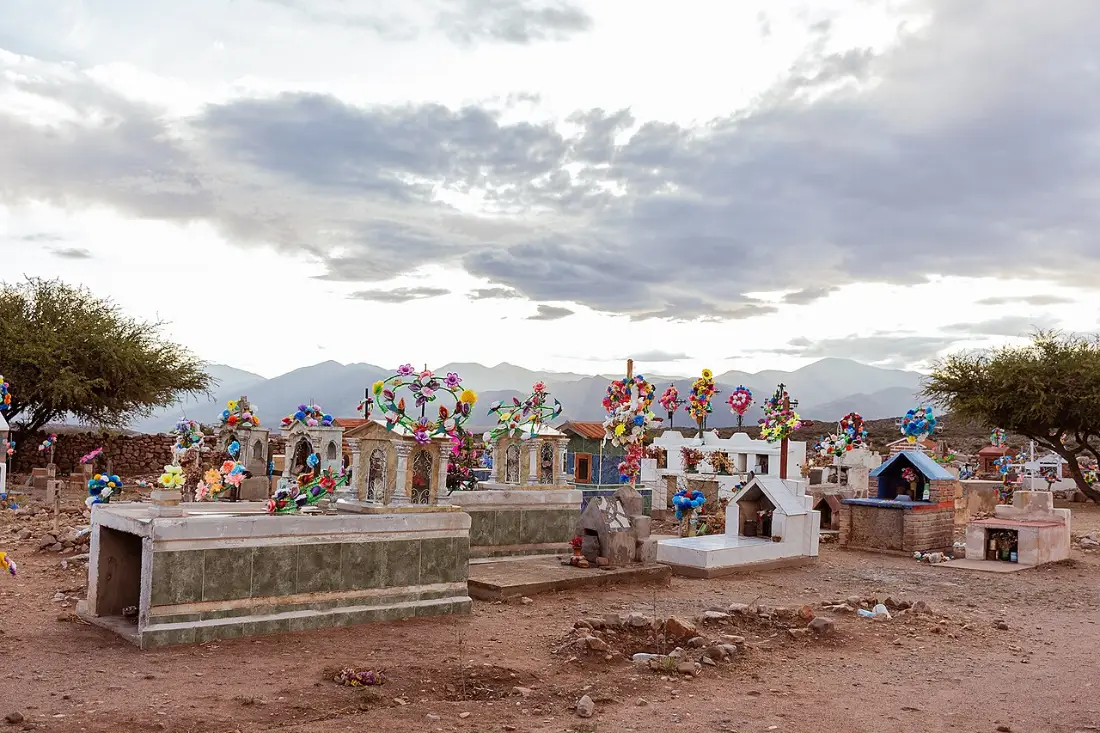
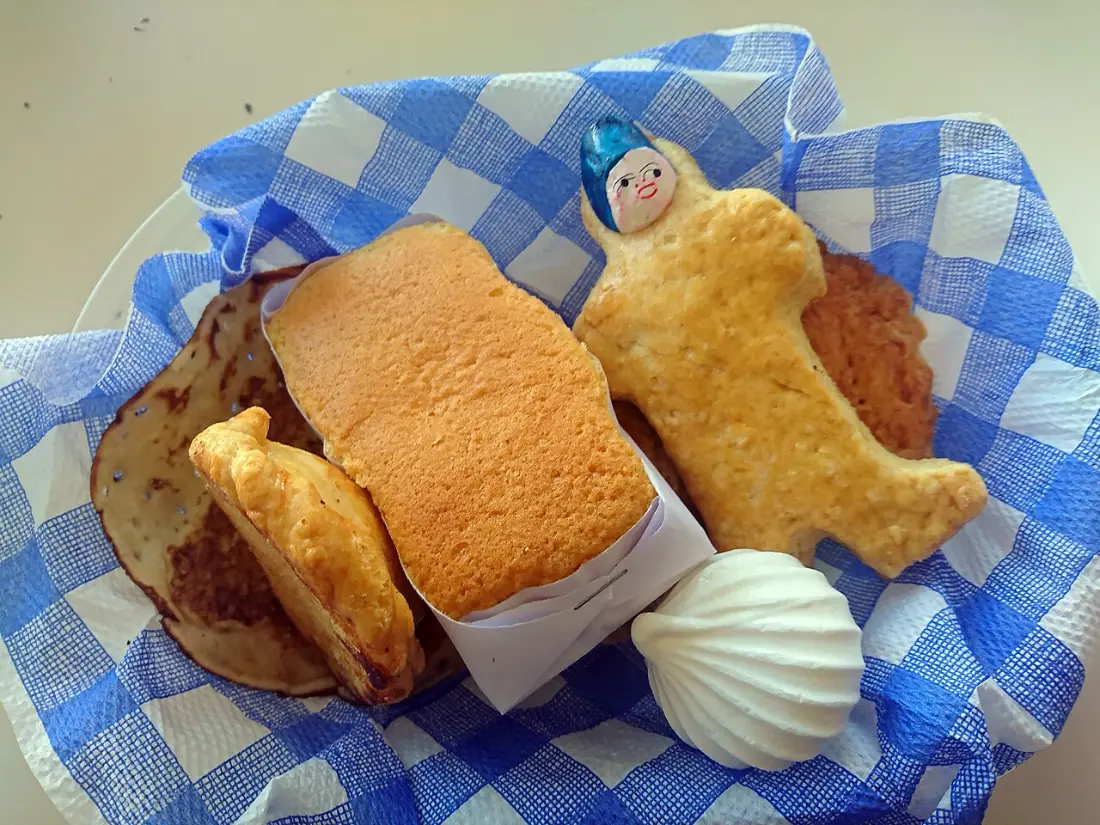
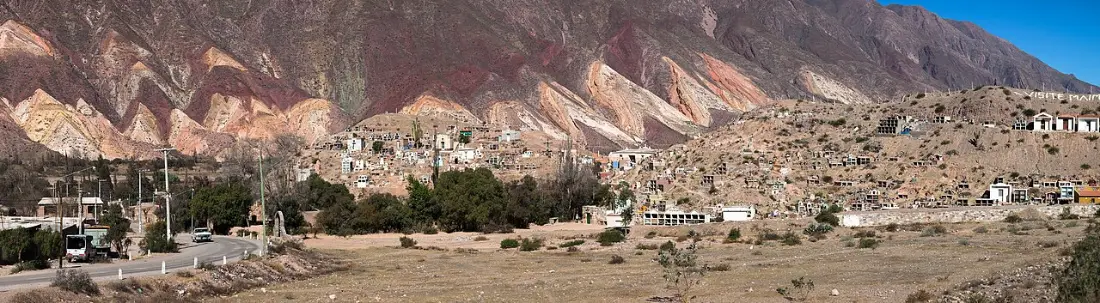
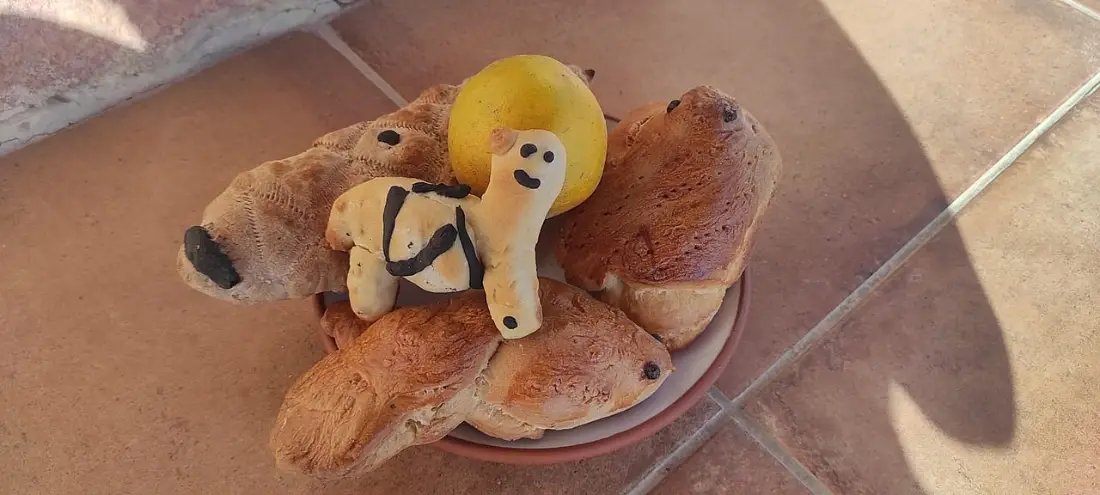
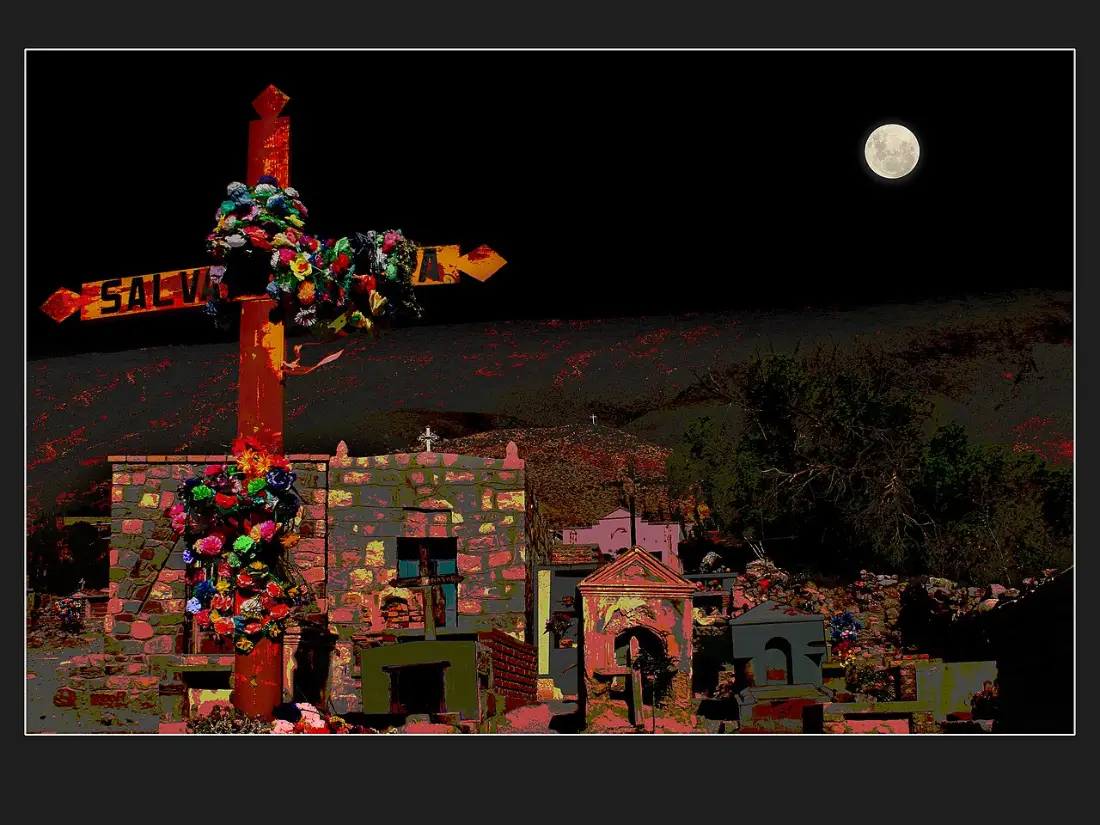
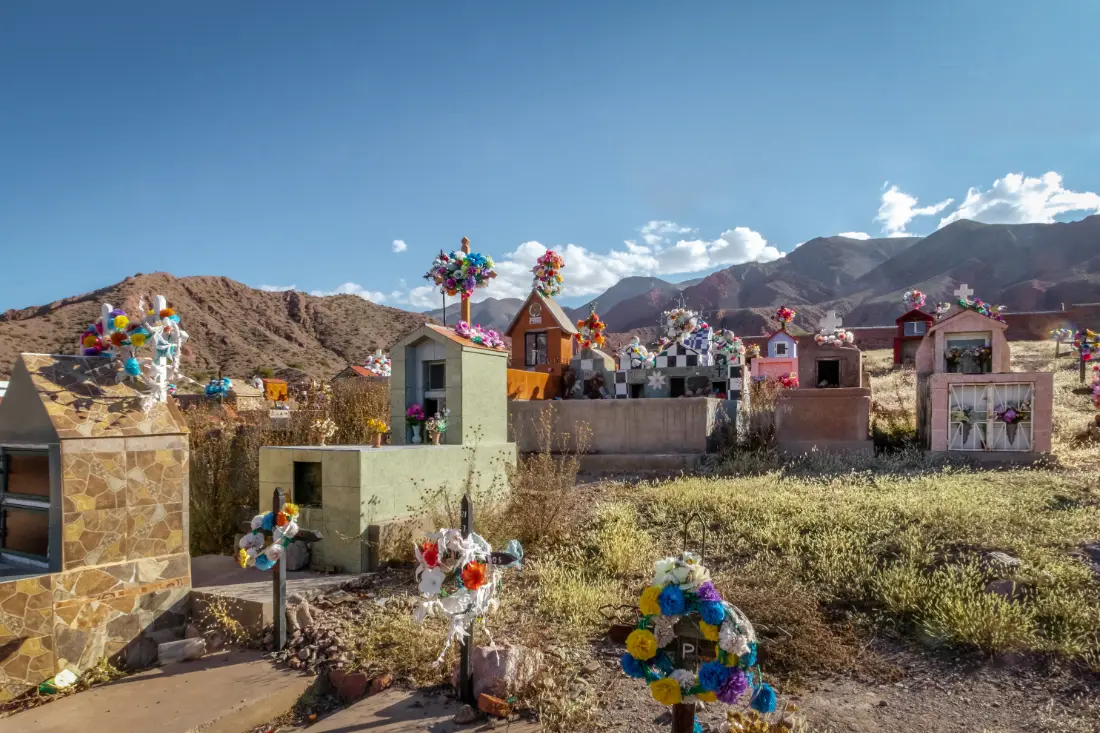
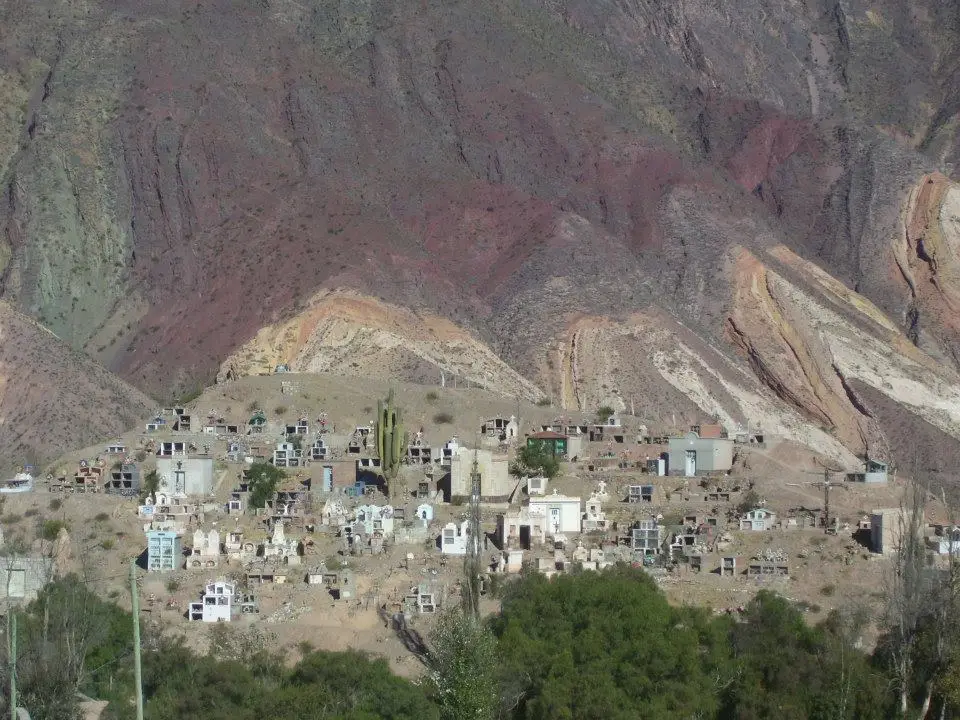
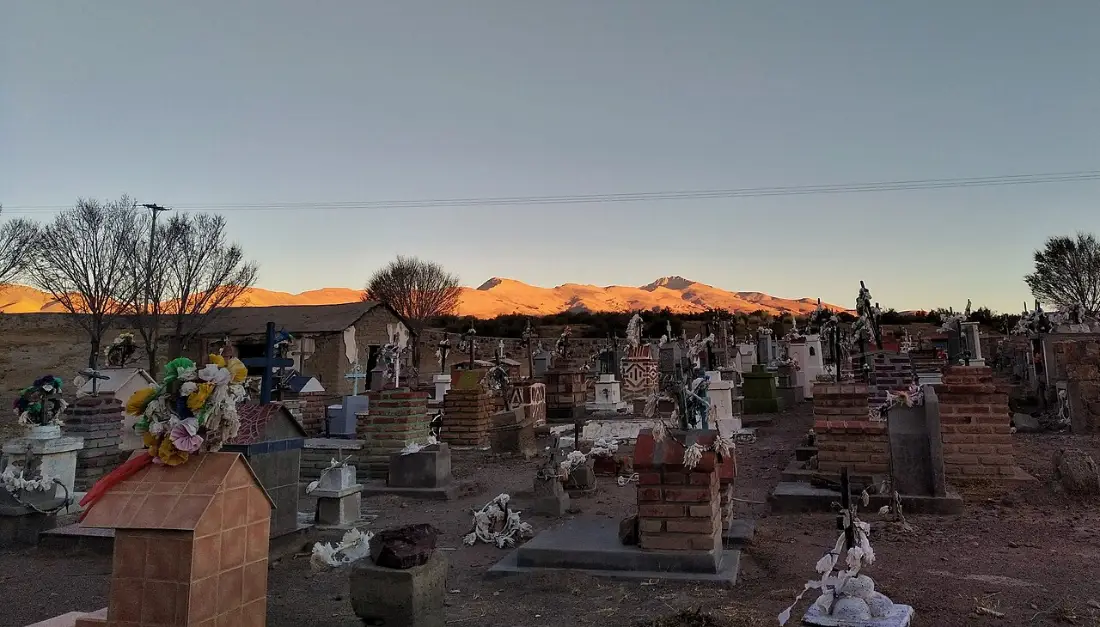
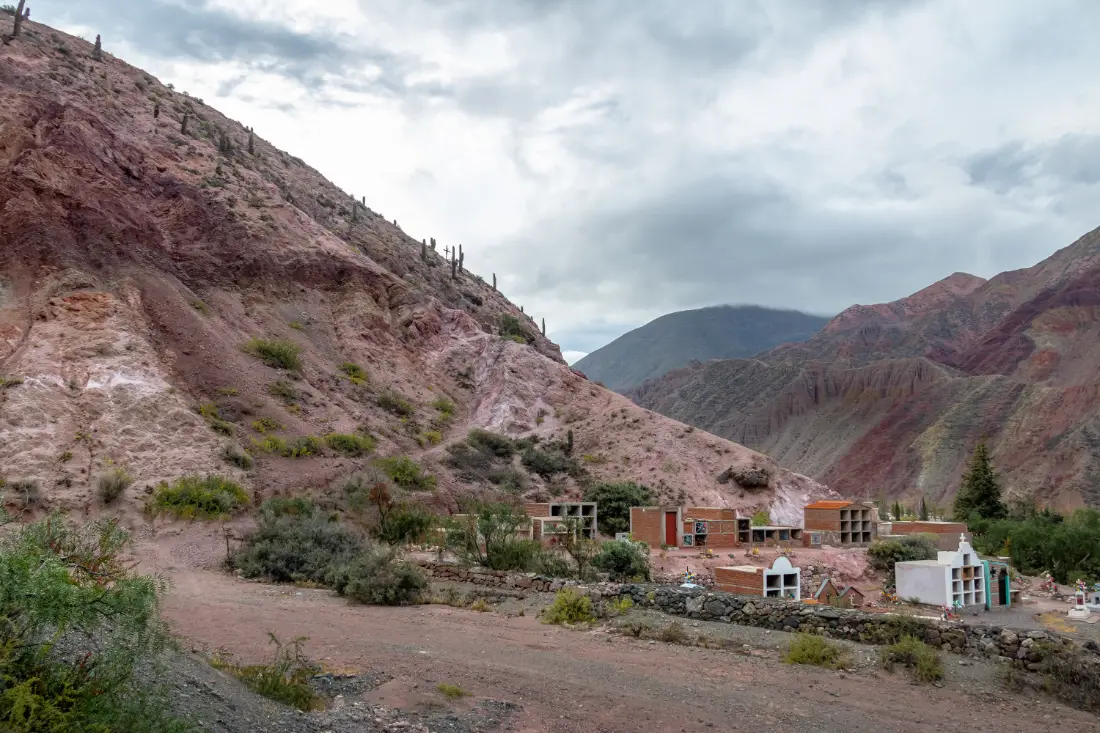
In Jujuy, 1 and 2 November are All Saints' Day and All Souls' Day, which in the Quebrada de Humahuaca and the Puna are lived as the Día de las Almas, the Day of the Souls. According to local belief, the souls of the dead come back to visit the homes where they lived: they arrive at midday on 1 November and leave at midday on the 2nd. To welcome them, families lay a table with their favourite food and drink, candles, flowers, coca leaves and bread shaped like ladders, doves, crosses and people, the tantawawas. On the morning of the 2nd everyone goes to the cemetery for Mass among the graves, and back home the table is cleared and the offerings shared out.
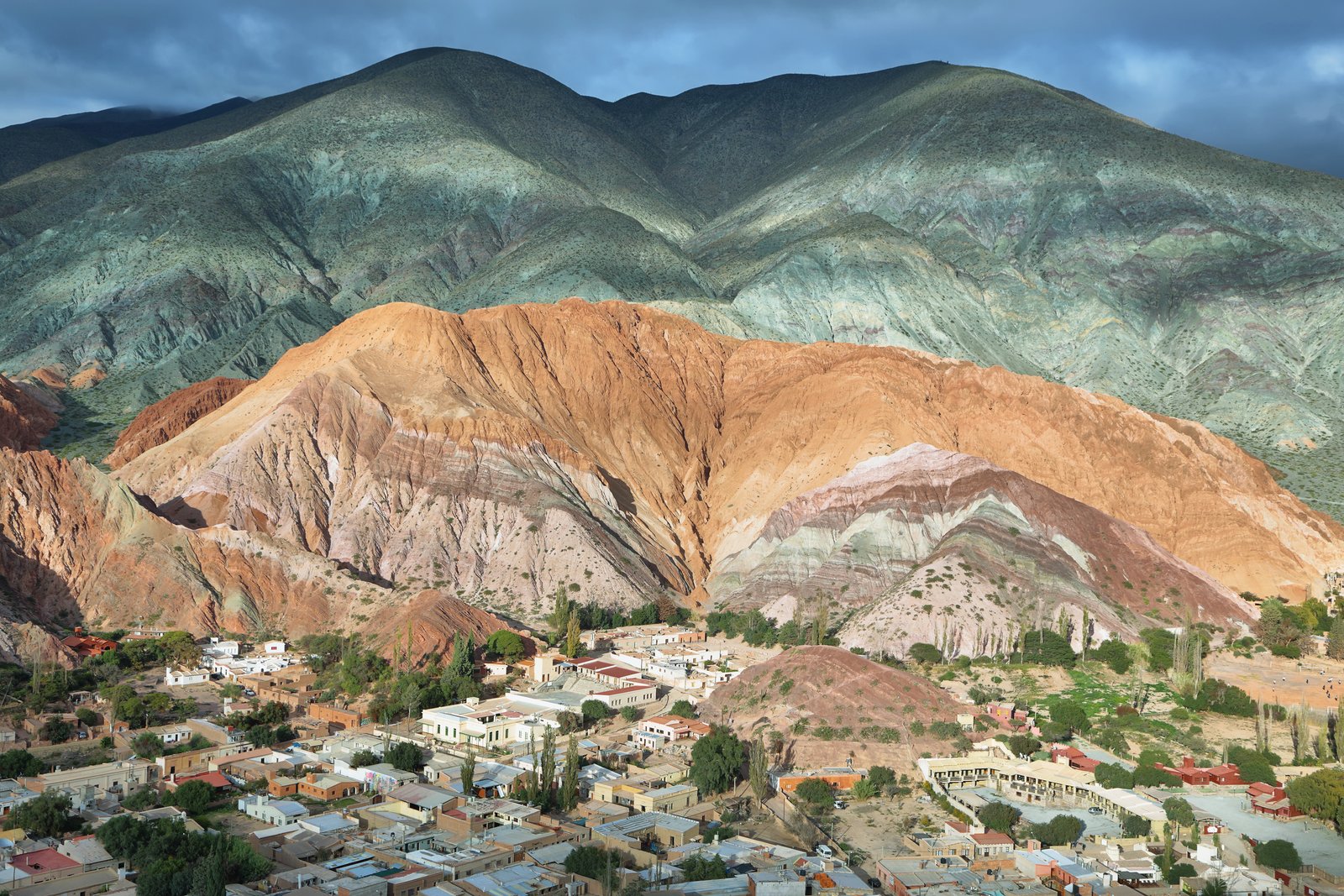
This isn't Mexico's Day of the Dead, and it isn't put on for tourists: it's an intimate family ceremony that blends the Catholic calendar with Andean roots. In 2027 it falls on Monday 1 and Tuesday 2 November. Here's what happens each day, what each bread means, what the Quebrada's cemeteries are like, how the Puna differs, and how to visit respectfully.
New souls, prayer groups and the farewell
The ritual is most intense for almas nuevas, new souls: people who died within the past year. Their families set the biggest tables, sometimes mark the house with a black ribbon on the door, and receive groups of rezadores, prayer leaders who go from home to home until the early hours. Visitors bless the table with a flower dipped in holy water, say a prayer, burn a few coca leaves and keep the family company for a while.
Tradition says the first year is sad, the second more cheerful, and in the third the soul is sent off with joy: in the Quebrada the big table is repeated for three years, until the final farewell.
The despacho closes the ceremony. In Tilcara, relatives choose friends who aren't close family to bury some of the offerings and accompany the soul on its way back. In other homes the despacho happens at the back of the property, burning or burying clothes and belongings of the deceased. And there's room for humour: the bread babies become the stars of a mock wedding or baptism, with a pretend priest and made-up food names.
Ready to travel?
Compare hotels, car rentals and tours in Jujuy.